Overview
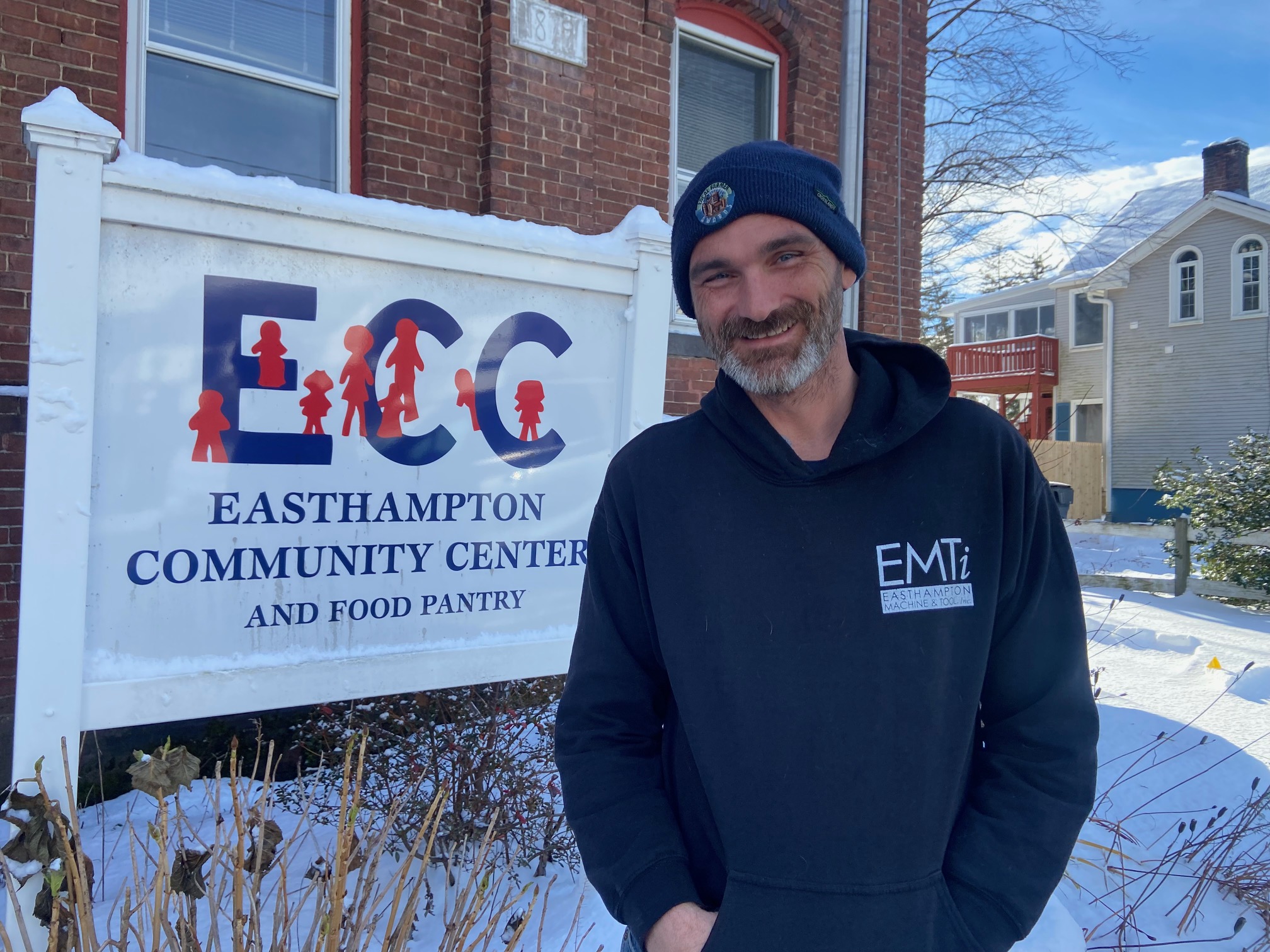
In Easthampton, Massachusetts, a local poultry farmer is illustrating a broader trend: individuals rooted in farming and small-town life stepping into political life after an electoral setback. The story follows Karl Prahl, who, after a defeat in a campaign, redirected his energy toward community service and local governance. This pivot underscores how grassroots voices from the countryside are influencing policy discussions at the local level, contributing to a more diverse set of perspectives in municipal leadership.
What Just Happened
Prah l’s political journey began with a campaign rooted in local concerns—issues like land use, agricultural regulation, and community resilience. When the campaign did not go as hoped, instead of stepping back, Prahl intensified his involvement in public life through voluntary service, neighborhood initiatives, and collaboration with town boards and committees. The experience reveals a trajectory that some rural candidates follow: transform electoral frustrations into tangible governance work that benefits the broader community.
Public & Local Reactions
Residents and local observers are noting two important dynamics. First, Prahl embodies a relatable, hands-on approach to governance. Second, his path from candidate to community organizer illustrates how local leaders can influence policy from within the civic infrastructure, not just from the campaign trail. Supporters emphasize that the agricultural perspective he represents adds practical insight into town planning, zoning, and resource management—areas where rural livelihoods intersect with municipal regulation.
Policy and Governance Implications
The Easthampton example highlights how local governance increasingly benefits from candidates who bring real-world industry experience to the table. As municipalities wrestle with land-use decisions, environmental stewardship, and small-business support, the involvement of farmers and other small-town professionals can help shape policies that balance growth with sustainability. This shift also signals a broader appetite for inclusive leadership that reflects the town’s economic and cultural fabric.
What Comes Next
The ongoing medium-to-long-term implications center on the potential for Prahl and similar newcomers to influence council agendas, committee priorities, and public outreach. Expect increased attention to:
- Local agricultural regulation and land-use policy, with a focus on supporting responsible farming practices while addressing community concerns.
- Economic development strategies that leverage rural business models and local supply chains.
- Community engagement efforts that ensure residents without traditional political pipelines have meaningful paths into governance.
From Campaign Loss to Civic Service
The narrative around Prahl’s experience is emblematic of a larger pattern in local politics: setbacks on the campaign circuit can serve as catalysts for deeper community involvement. For voters, it underscores the value of civic resilience and the capacity for citizens to contribute to governance beyond electoral cycles. For aspiring local leaders, it offers a blueprint—turn a run for office into ongoing public stewardship that can translate into lasting community impact.
Bottom line
As small communities navigate complex policy challenges, the infusion of practical perspectives from farmers and other local professionals into governance structures can enrich decision-making. Prahl’s journey—from campaign setbacks to continued service—highlights a pragmatic path for local political newcomers seeking to make a measurable difference in governance, regulation, and community well-being.