Overview
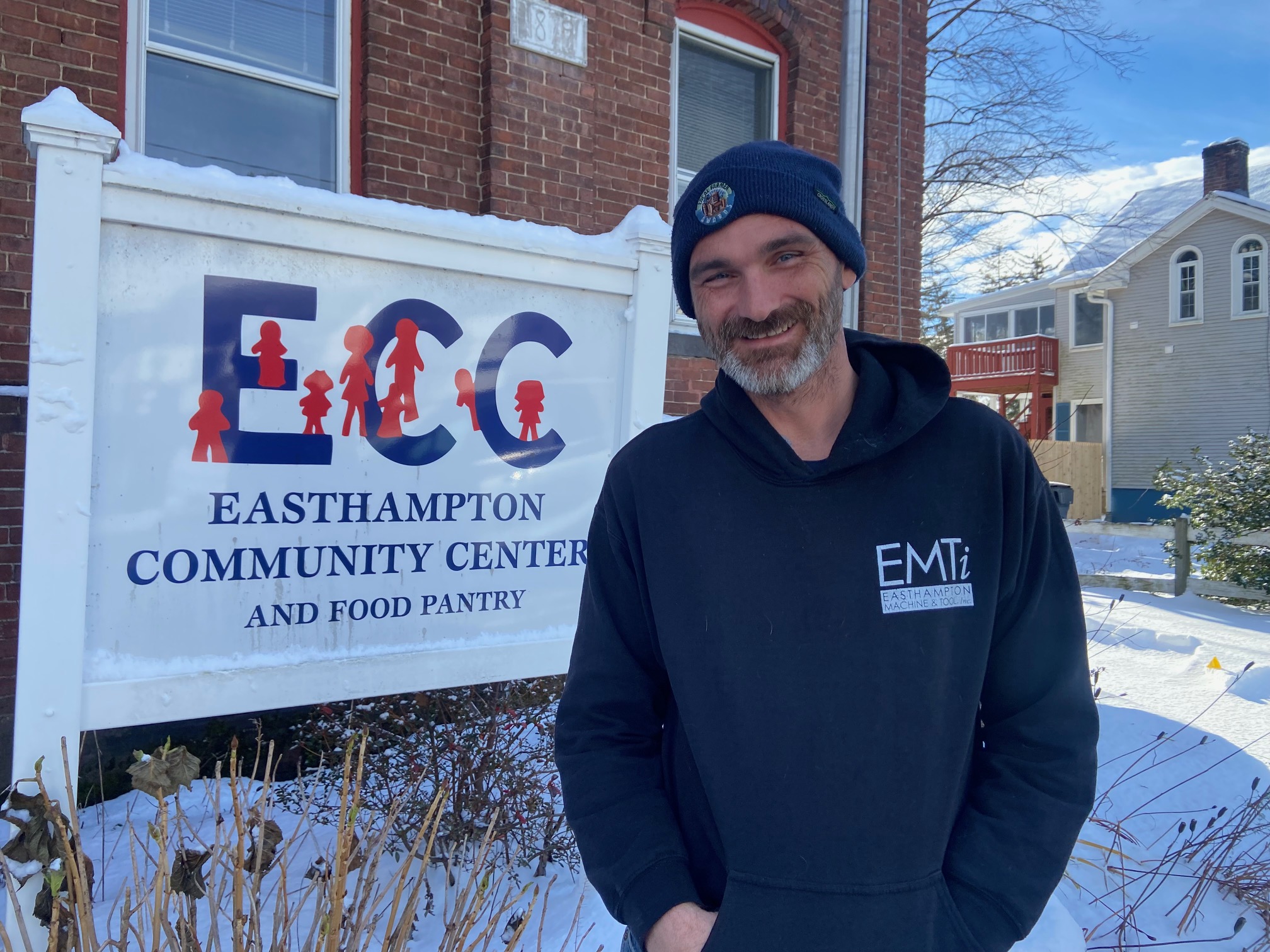
A noteworthy trend in local politics is emerging from the experiences of first-time candidates who pivot from campaigns to broader community service. In Easthampton, Massachusetts, poultry farmer Karl Prahl embodies this shift. After a campaign loss, Prahl reframed his public role around local leadership, illustrating how accessibility and hands-on governance can become viable routes into politics for everyday residents.
Context
The arc from candidate to community leader is gaining traction in small and mid-sized American towns. For many, the barrier to entry in politics feels high—fundraising, media scrutiny, and party machinery can seem daunting. Yet Prahl’s story and others like it reveal a different path: service-driven public life that starts with local issues, neighborly trust, and tangible outcomes. This trend aligns with broader discussions about civic participation, resilience, and the evolving nature of local governance in a changing political climate.
What Happened
Prahl’s experience began with participation in a local electoral race, which he did not win. Rather than retreat from public life, he redirected his energy toward community initiatives where practical expertise in farming, neighborhood concerns, and public service could make a measurable impact. His approach emphasizes accessibility—engaging with residents one-on-one, leveraging practical knowledge, and focusing on immediate, solvable problems rather than partisan theater.
Implications for Policy and Governance
- Civic participation and policy insight: The transition from candidate to community organizer can enrich local policy debates with grounded perspectives from the agricultural sector and rural communities. This blend can influence discussions on land use, food safety, environmental stewardship, and economic development tailored to small towns.
- Local governance and accountability: Prahl’s path underscores the value of local governance as a hands-on enterprise. Citizens may see governance as a series of pragmatic steps—planning, collaboration with town departments, and incremental improvements—rather than abstract campaigning.
- Economic and regulatory considerations: As farmers weigh regulatory environments, their leadership can illuminate practical constraints and opportunities for small businesses, from permitting processes to local sourcing and resilience planning.
- Community trust and participation: Personal credibility earned through direct neighborly engagement often translates into political capital. When residents see leaders who understand daily realities, participation rates in town meetings and local committees can rise.
Who Is Affected
- Local residents in Easthampton and similar municipalities stand to benefit from governance that reflects practical, ground-level experience.
- Small business owners, farmers, and rural professionals gain a voice in local decision-making, potentially shaping zoning, environmental rules, and economic incentives.
- Local government bodies and advisory committees may experience a shift toward more participatory, issue-focused engagement across departments.
What Comes Next
- Increased emphasis on interpersonal outreach: Expect more candidates and community leaders to prioritize listening sessions, town hall-style forums, and collaborative problem-solving with residents.
- Policy experimentation at the local level: Municipalities could pilot small-scale programs addressing food systems, land stewardship, and infrastructure needed to support farming communities.
- Broader narrative about political participation: Prahl’s trajectory may encourage others without traditional political networks to consider candidacy or public service roles, broadening the applicant pool for local offices.
Tone and Takeaway
This story highlights a practical, citizen-centered pathway into governance. It reinforces the idea that political influence isn’t confined to elected office; it can begin with service, expertise, and steady engagement with neighbors. For 2026 audiences evaluating political participation, Prahl’s experience offers a blueprint: leverage lived experience, connect with your community, and work within local structures to drive tangible improvements.