Overview
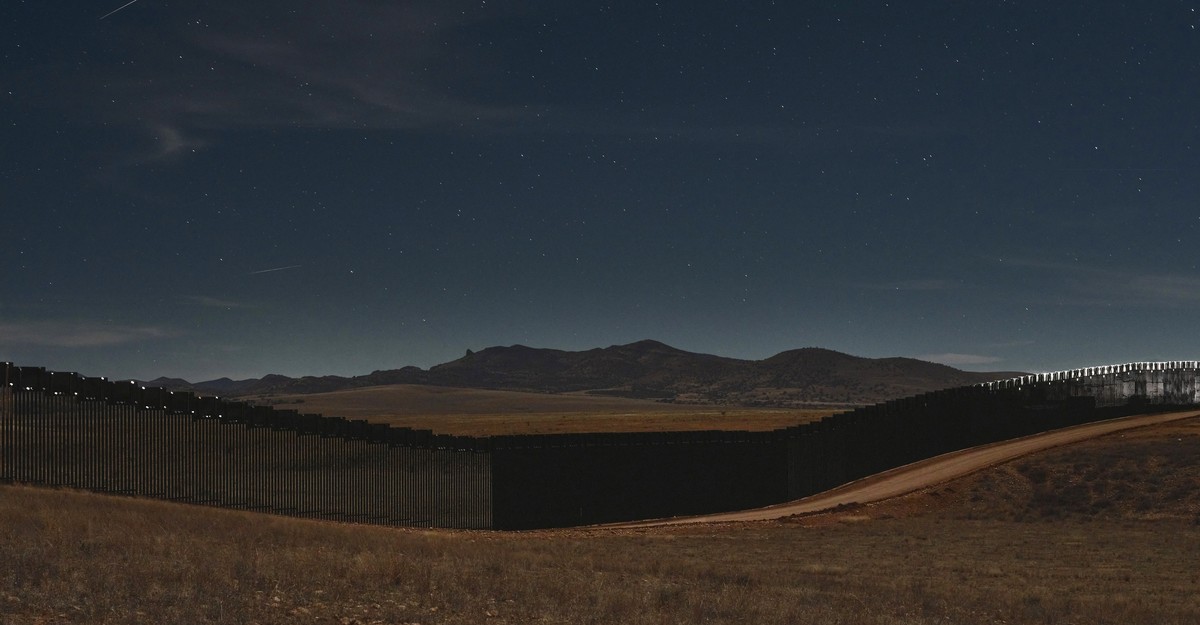
A renewed push to fortify the U.S.-Mexico border is underway, powered by a sizable federal commitment of $46.5 billion. The initiative sees construction activity resuming—persisting even in remote sections of the border where illegal crossings are historically sparse. The policy choice reasserts a high-priority, high-stakes approach to immigration enforcement and border control, signaling a sustained preference for hard infrastructure as a central tool in managing migration and national security.
What Just Happened
- Federal funds have been allocated to resume and accelerate border-wall construction across multiple segments, including areas with limited previous activity or demand signals.
- The rollout marks a strategic shift from prior phases of incremental expansion to an ambitious, wide-ranging project timeline intended to deliver tangible border improvements in the near term.
- This effort aligns with a broader political narrative emphasizing sovereignty, deterrence, and the administration’s long-term immigration posture.
Public & Political Reactions
- Supporters argue that reinforced barriers will reduce illegal crossings, improve border management, and reduce strain on border personnel and neighboring communities.
- Critics warn of escalating costs, environmental and land-use concerns, potential legal challenges, and questions about long-term effectiveness in the face of evolving migration drivers.
- Within Congress and among policy wonks, the plan is receiving scrutiny over funding allocation, procurement ethics, and the balance between hard infrastructure and holistic immigration reform (including asylum processing, workforce enforcement, and regional diplomacy).
Policy Snapshot
- Fiscal scale: A $46.5 billion budget line dedicated to border-wall construction, spanning multiple border segments and procurement phases.
- Scope: Construction in remote zones where crossing activity has traditionally been lower, expanding the geographic footprint of the barrier.
- Timeline: Accelerated project deployment with milestones tied to funding disbursement and contractor readiness, signaling an intent to demonstrate progress within the near term.
Who Is Affected
- Border communities: Residents near new or expanded barriers may experience changes in land access, local traffic patterns, and environmental stewardship considerations.
- Border personnel: Enhanced infrastructure could alter workflow, patrol routes, and resource allocation, potentially shifting the operational burden and needs of federal agents.
- Landowners and stakeholders: Expanded construction zones raise questions about eminent domain processes, compensation, and environmental or cultural preservation commitments.
- Employers and migrants: The policy may influence the calculus around crossing attempts, asylum claims, and the pace of migration-related labor market dynamics.
Economic or Regulatory Impact
- Infrastructure stimulation: The program injects demand into construction, materials, and related supply chains, with a ripple effect on local economies through jobs and contract opportunities.
- Regulatory considerations: The project intersects with environmental reviews, land-use permits, and civil liberty concerns, necessitating robust oversight to ensure compliance and transparency.
- Long-term costs: Beyond construction, ongoing maintenance, monitoring technology, and ecosystem impacts will shape the total cost of ownership for the wall system.
Political Response
- Administration: The move is framed as a demonstration of decisive governance on immigration and border security, reinforced with a belief in deterrence as a core policy instrument.
- Opponents: Critics call for a more integrated approach—addressing root causes of migration, regional cooperation, and humane processing—arguing that physical barriers alone do not resolve underlying drivers.
- Electoral dynamics: The policy may become a litmus test for governing style, national security posture, and the administration’s ability to deliver tangible policy outcomes within a year of midterms or presidential election cycles.
What Comes Next
- Implementation milestones: Expect phased construction with contractor pipelines, environmental reviews, and potential litigation over land access or regulatory compliance.
- Oversight and accountability: Expect congressional committees to demand regular reporting on progress, cost overruns, and project efficacy, along with updated risk assessments.
- Complementary policies: Debates will intensify around asylum processing reform,Border Patrol staffing, technology integration (sensors, cameras, and data analytics), and humanitarian considerations in border policy.
Context and Forward-Looking Analysis
- Strategic signaling: Resuming construction signals a persistent federal commitment to physical barriers as a central pillar of immigration policy, even as other tools—like technology, processing reform, and regional diplomacy—remain part of the broader strategy.
- Governance implications: The decision underscores the interplay between large-scale infrastructure projects and executive-branch authority, budgetary allocations, and interagency coordination, highlighting how high-cost enforcement initiatives shape domestic political narratives and governance priorities.
- Global implications: Domestic border management decisions can affect international perception of U.S. border policy, arms-length diplomacy with neighboring countries, and the ongoing conversation about migration governance in North America.
In summary, the renewed border-wall effort represents a consequential shift in U.S. domestic policy and governance, prioritizing infrastructural deterrence with substantial capital. As the project advances, policymakers, communities, and markets will closely watch its implementation, cost trajectory, and alignment with broader immigration reform goals.