Overview
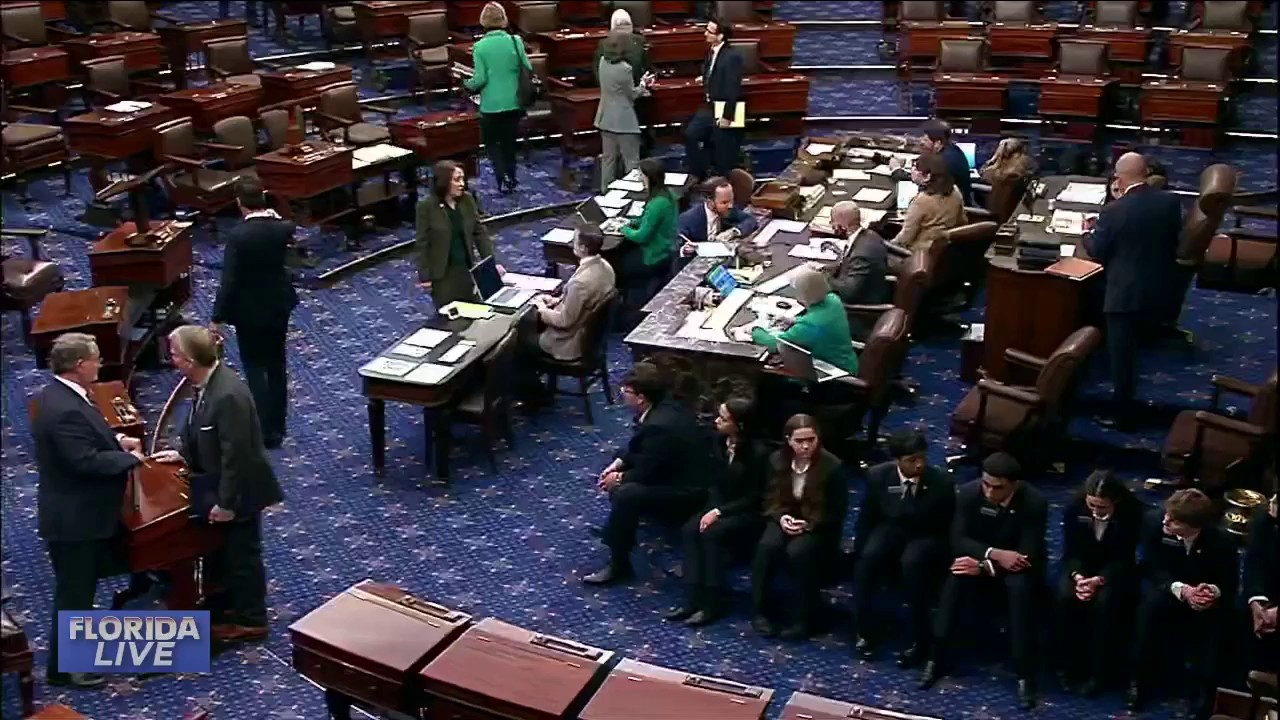
Florida’s Capitol is buzzing again as lawmakers prepare to return to Tallahassee to finalize the state budget. The regular session wrapped up earlier in the month, but budget talks will continue behind closed doors and in public committee meetings. The timing matters: Florida’s fiscal outlook, funding priorities for schools, transportation, health care, and state reforms will shape local governance and potentially influence how Florida is perceived in national political debates.
What Just Happened
With the formal session behind them, Senators and House members face a compressed window to resolve differences and set spending levels for the coming fiscal year. While budget considerations dominate the agenda, lawmakers also weigh policy choices that could affect the state’s long-term competitiveness, resilience to natural disasters, and social services. The end of the session did not end the work—budget negotiations are often where hard compromises emerge, and this year is no exception.
National Lens: Comparisons with California
As Florida charts its budget trajectory, observers are drawing attention to political dynamics elsewhere in the country. California Governor Gavin Newsom and Florida Governor Ron DeSantis have been central figures in a broader national narrative about leadership styles, policy experimentation, and ideological contrast. Analysts note that Florida’s approach to budgeting, education, and regulatory reforms continues to attract both praise and scrutiny in equal measure. The Florida Playbook, a state-focused digest, highlights an ongoing dialogue about how Florida’s governance model stacks up against California’s in terms of fiscal prudence, regulatory posture, and political messaging.
Policy Snapshot: Budget Priorities in Focus
- Education funding: Florida’s budget negotiations routinely reallocate dollars across K-12, higher education, and workforce training. The outcome will influence classroom resources, teacher pay, and student access to programs.
- Transportation and infrastructure: Capital projects and maintenance plans require careful prioritization to support growth in urban centers and rural areas alike.
- Health and social services: Medicaid costs, public health initiatives, and social safety nets sit at the intersection of budget discipline and population needs.
- Disaster resilience and climate planning: Florida’s exposure to extreme weather elevates funding for resilient infrastructure and emergency preparedness.
- Regulatory and tax considerations: The budget debate often intersects with policy questions about tax delivery, incentives for business, and regulatory reforms that shape the state’s economic climate.
Who Is Affected
- State residents: Taxpayers and public service users will see how resources are allocated for schools, roads, hospitals, and safety programs.
- Local governments and school districts: Funding formulas and grant programs determine the capacity of counties and districts to deliver essential services.
- Businesses and developers: Infrastructure investments, permitting processes, and incentive policies influence the business climate and job creation.
Economic or Regulatory Impact
The budget shape will directly influence Florida’s fiscal health and regulatory environment. A prudent but growth-oriented budget can sustain key programs while maintaining a favorable climate for investment. Conversely, higher spending without commensurate revenue strategies could deepen deficits or crowd out essential investments in emerging industries and infrastructure. The negotiation dynamics may also reveal how lawmakers balance tax receipts with targeted subsidies, workforce development, and climate resilience measures.
Political Response
Expect a chorus of statements from leadership and party leaders about fiscal responsibility, accountability, and the state’s ability to meet residents’ needs. Local political actors will frame the budget outcomes as either a win for middle-class Floridians or as a missed opportunity for better public services. National observers will interpret the budget choices as part of a broader narrative about governance approaches in a politically diverse state.
What Comes Next
- Committee hearings and negotiations: Budget committees will refine spending plans, reconcile House and Senate proposals, and set final numbers.
- Sunset and reforms: Some policy adjustments may accompany the budget package, potentially addressing workforce, education standards, or regulatory modernization.
- Final vote and enactment: Once alignment is reached, the budget will move to final votes and signature, marking the start of the new fiscal year.
Forward-Looking Signals
Florida’s budget decisions will reverberate beyond state lines by signaling how the state prioritizes education, infrastructure, and resilience in a rapidly changing national political environment. The comparison with California’s leadership narrative will likely continue to shape punditry and public opinion about which governance model best serves voters’ interests in 2026 and beyond.
In short, the coming weeks in Tallahassee will illuminate not just where Florida’s money flows, but how the state intends to govern in a climate of national scrutiny and regional competition. The outcome will influence policy direction, economic certainty, and the impression of Florida’s leadership style on the broader national stage.