Overview
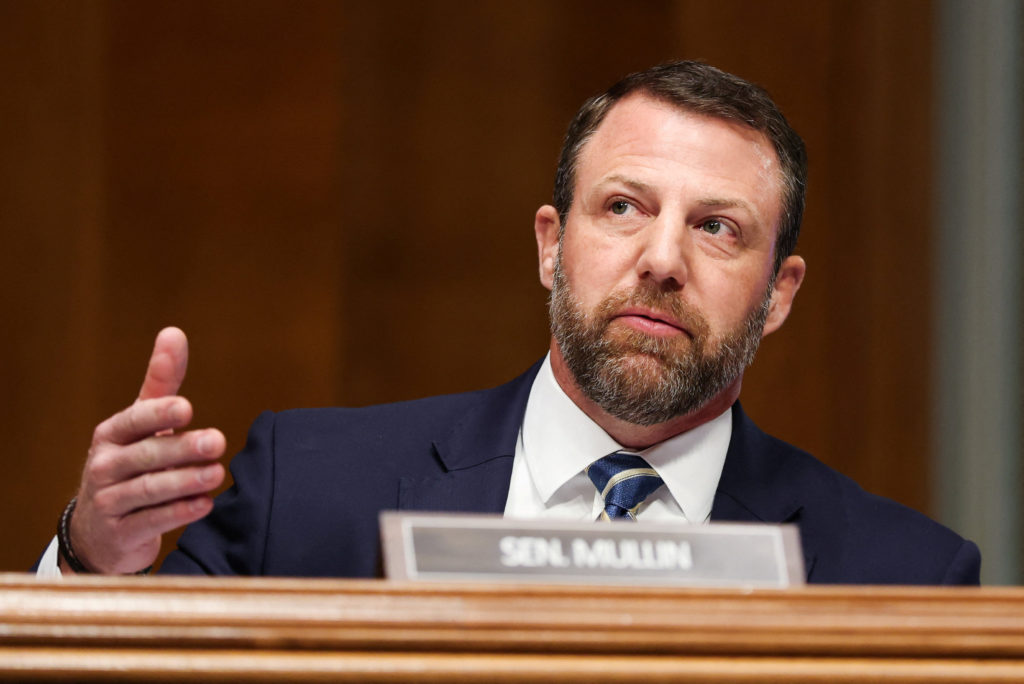
A high-stakes confirmation hearing put the spotlight on the administration’s forthcoming DHS secretary pick, with Senator Markwayne Mullin leading the questions and positioning for a broader governance roadmap. The session underscored how the nominee’s stance on border security, cybersecurity protections, immigration processing, and disaster readiness could recalibrate United States homeland-security policy for the next four years. Lawmakers pressed for clarity on interoperability with local law enforcement, funding mechanisms, and how DHS would implement executive-broad directives in a fast-evolving political and threat landscape.
What Just Happened
During the hearing, the nominee outlined a framework for strengthening the department’s mission: safeguard the homeland, streamline regulatory pathways, and bolster resilience across critical infrastructure. Questions centered on deploying technology responsibly, improving data-sharing among federal agencies, and ensuring transparent accountability for DHS programs. Several lawmakers signaled that DHS would operate at the intersection of security, civil liberties, and efficient government service delivery, emphasizing the need for robust staff training, rigorous oversight, and measurable performance benchmarks. The exchange also touched on visa processing, asylum policy alignment, and the surge of migration pressures that have dominated domestic policy conversations in recent quarters.
Public & Party Reactions
Supporters framed the nominee as an experienced, steady hand capable of translating political priorities into practical DHS reforms. Critics urged caution, stressing the importance of ensuring that expanded powers or streamlined processes do not outpace civil-liberties safeguards or undermine local governance efforts. Across party lines, observers highlighted that DHS has become a central battleground for immigration policy, cyber defense, and emergency preparedness, with implications for regional security, economic stability, and public trust in government. Analysts noted that the confirmation proceedings are less about a single appointment and more about setting a governance tone for how homeland-security objectives will be pursued in a polarized political environment.
Policy Snapshot
The hearing touched on several core policy areas that will shape DHS’s near-term agenda:
- Border and immigration management: balancing humane processing with security screening, and ensuring efficient migrant flows without compromising national security.
- Cyber and critical infrastructure protection: investing in technology, incident response capacities, and interagency coordination to defend essential services.
- Disaster preparedness and resilience: strengthening interagency response to natural and man-made disasters, and improving funding allocation for preparedness programs.
- Technology use and privacy: ensuring that data collection and surveillance tools deployed by DHS respect civil liberties while delivering effective risk assessment.
- Oversight and accountability: setting clear performance metrics, annual reporting, and independent audits to build public trust.
Who Is Affected
The policy directions discussed in the hearing have wide-ranging implications:
- Federal agencies within DHS and related departments will implement new guidance, standards, and resource allocations that touch border control, immigration enforcement, and cybersecurity.
- State and local authorities may experience changes in information sharing, grant distribution, and joint exercises for disaster response.
- Private sector entities in critical infrastructure sectors could face updated compliance expectations, especially around supply chain security and information-sharing protocols.
- Immigrant communities, asylum seekers, and applicants for federal programs may encounter nuanced changes in processing timelines, eligibility criteria, and appeals pathways.
Economic or Regulatory Impact
Policy shifts anticipated from a DHS leadership team typically influence funding, procurement, and regulatory frameworks. Increased emphasis on rapid incident response and resilience can justify expanded investments in detection technologies, workforce training, and cross-border coordination. Conversely, calls for tighter oversight and clearer accountability can shape tighter grant administration, performance-based budgeting, and transparency requirements. For sectors like energy, finance, and healthcare infrastructure, the focus on protecting critical systems could lead to higher compliance costs but greater resilience against disruption.
Political Response
Political responses to the hearing’s framing reflect ongoing debates about security, immigration, and executive power. Proponents argue that a strong, modernized DHS is essential to counter evolving threats and safeguard public welfare. Critics warn against expanding executive authority without robust civil-liberties protections and a clear, enforceable accountability framework. The confirmation process itself is seen as a microcosm of broader tensions between a need for decisive leadership and the imperative for transparent governance in a polarized environment.
What Comes Next
If confirmed, the DHS secretary will embark on implementing the policy priorities affirmed during the hearing, with milestones tied to budget cycles, performance reviews, and interagency coordination efforts. Watch for:
- Detailed implementation plans outlining border processing reforms and asylum procedures.
- Cybersecurity strategy updates, including critical infrastructure protection and incident response playbooks.
- Annual oversight hearings that measure progress against stated goals and civil-liberties safeguards.
- Legislative interactions that may accompany executive directives, potentially shaping future immigration and data-sharing laws.
In-Context Analysis
The confirmation hearing offered a lens into how the administration intends to posture homeland security amid dynamic threats and a divided Congress. The balancing act between robust security measures and the protection of individual rights will likely shape DHS policy for years to come. As the administration seeks to operationalize its vision, policymakers and stakeholders will scrutinize resource allocation, interagency collaboration, and the department’s ability to translate high-level priorities into concrete, accountable outcomes.
Note: The article presents the policy-oriented implications of the confirmation hearing for the DHS secretary and does not imply endorsement of any political position.