Overview
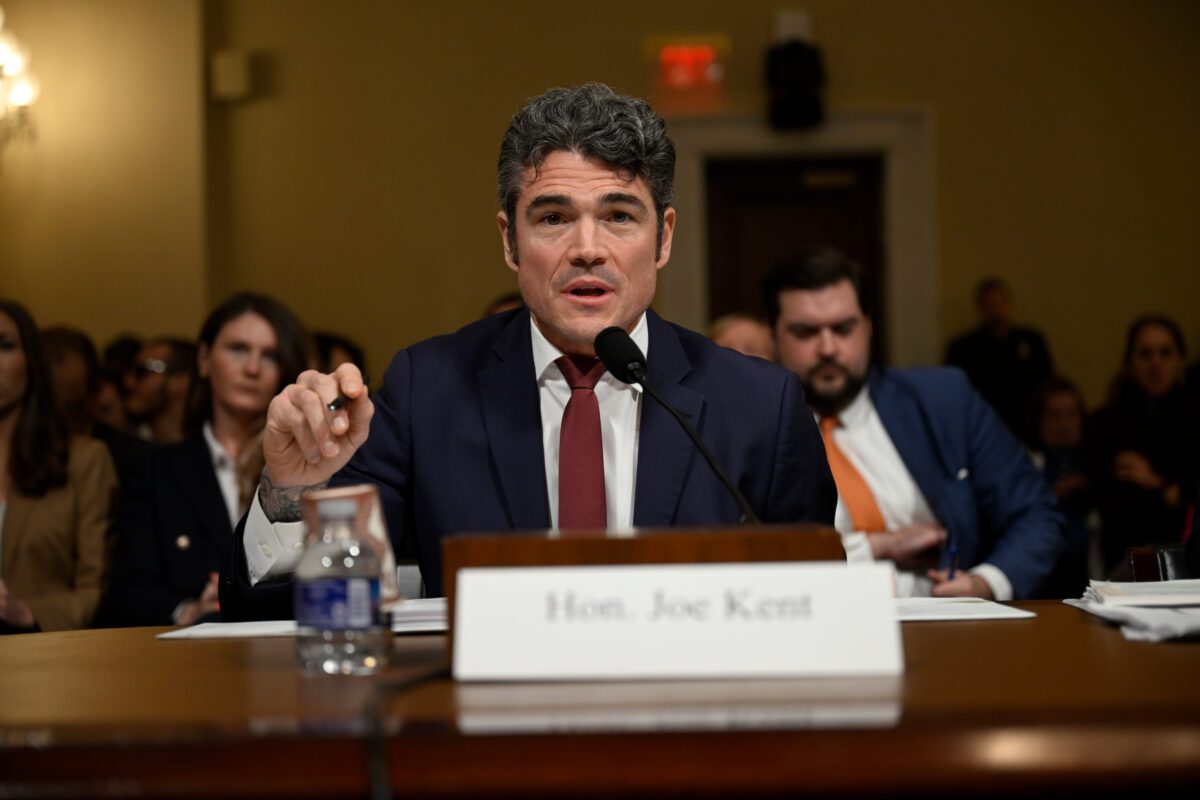
In a swirl of partisan maneuvering, a controversial resignation letter linked to Republican figure Joe Kent has sparked renewed debate about trust, extremism accusations, and U.S. policy toward Israel. What began as a targeted critique of Kent’s nomination record has evolved into a broader conversation about how anti-Israel rhetoric affects governance, party cohesion, and electoral messaging ahead of the 2026 cycle.
What Just Happened
The incident centers on a resignation letter that has drawn attention for its conspiratorial tone and allegations regarding Israel policy. Critics within the Democratic camp who previously disputed Kent’s suitability now face evidence that his public arguments—centered on anti-Israel claims—are getting traction among some conservatives and pundits. The core question for observers: does this letter reflect an authentic governance concern or a calculated political gambit to reframe Kent’s public persona and policy priorities?
Public & Party Reactions
Reaction to the letter and its contents has been mixed and strategically charged. Some Democrats who once opposed Kent’s nomination argue that even if past criticisms proved overly harsh, the new narrative around Israel policy could complicate bipartisan dialogue on Middle East security. On the Republican side, allies and opponents alike are parsing whether the resignation letter offers a legitimate critique of foreign policy priorities or serves as a distraction from other primary election dynamics.
Policy Focus: Israel Policy and Electoral Messaging
A central theme is how rhetoric about Israel shapes policy considerations, including military aid, strategic partnerships, and allied commitments. The letter’s anti-Israel accusations have polarized voters who weigh security guarantees against civil-liberties concerns and domestic spending. For Kent and supporters, the argument may be leveraged to appeal to a segment of voters skeptical of foreign policy establishment norms. Critics, however, warn that adopting conspiratorial tones could harden partisan divides and complicate coalition-building within Congress.
Impact on Governance and Governance Debates
The episode touches on broader questions about how political figures engage with complex international issues while in the process of nomination and confirmation. If the letter influences public opinion, it could affect legislative negotiations on foreign aid, defense policy, and oversight mechanisms. In a tight Senate or House landscape, even narrow shifts in the perception of credibility can alter the calculus for bipartisan compromise.
What Comes Next
Key uncertainties include whether more Democratic lawmakers will amplify concerns about Kent’s suitability in light of the new allegations, or whether Republicans will reframe the discussion to spotlight domestic policy concerns and electoral resilience. Observers should watch for:
- Developments in Kent’s public statements and any formal responses from party leadership.
- Shifts in support among moderate Republicans and independents.
- Any changes in voting patterns on foreign policy bills or nominations that mention or implicate Israel policy.
Context
The episode comes amid a broader political environment where defense and foreign policy debates increasingly intersect with domestic governance debates. As 2026 approaches, candidates’ stances on Israel, Middle East strategy, and U.S. international commitments are likely to influence primaries as much as general election dynamics. The tension between party loyalty and independent or anti-establishment sentiments remains a defining feature of contemporary U.S. politics.
Immediate Reactions
Analysts are cautious about drawing long-term conclusions from a single resignation letter, but many emphasize its potential to become a barometer for how the party handles controversial foreign policy discourse. In public discourse, the narrative may shift from individual accountability to the broader questions of credibility, governance, and the alignment between stated principles and policy actions.
What to Watch
- Escalation or cooling in discussions around Israel policy within the party.
- Any clarifications or contradictions in Kent’s own statements.
- The reaction of voters in districts closely poised to influence the 2026 elections.
- Potential policy proposals tied to foreign affairs from both sides that reflect or counter the letter’s themes.
In sum, the resignation letter and its anti-Israel angle are poised to influence how political actors calibrate credibility, policy priorities, and electoral messaging in the lead-up to 2026. The impact will hinge on whether the discourse translates into substantive policy shifts or remains a focal point for partisan narrative battles.