Overview
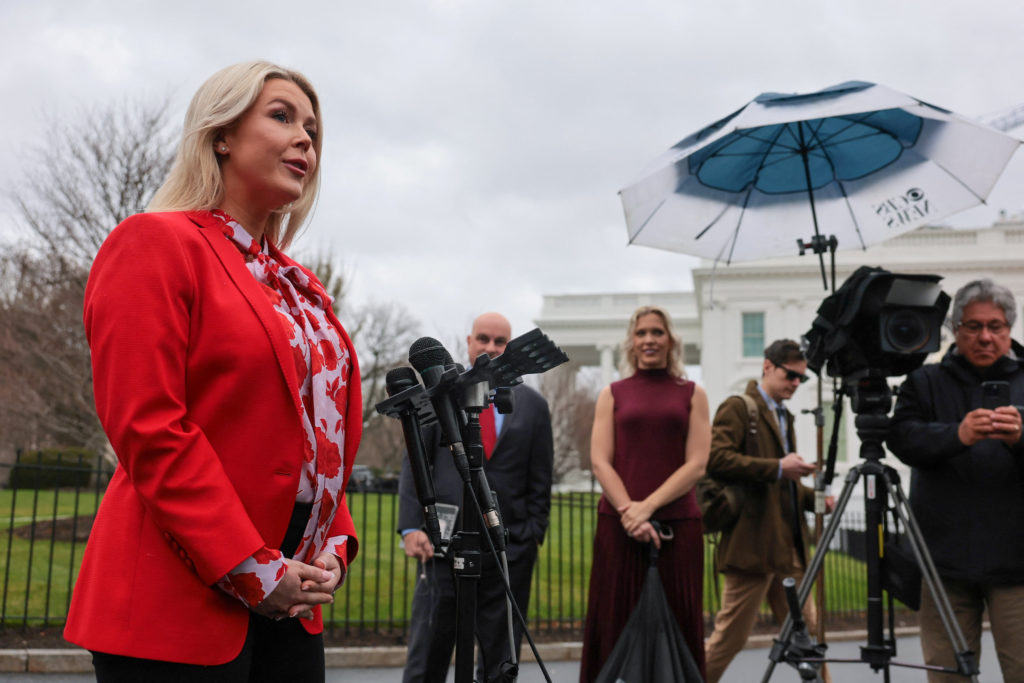
The White House indicated that a high-profile meeting between President Donald Trump and President Xi Jinping could have its timing adjusted, underscoring how the scheduling of top-level talks has become a strategic lever amid evolving domestic and international pressures. While the exact date remains fluid, officials emphasize that the discussion will proceed with the intent of advancing U.S.-China diplomacy on critical issues ranging from trade to security and technology competition.
What Just Happened
Officials briefed on the matter said talks could be moved to align with broader political and policy timelines in Washington, and to synchronize with developments on bipartisan priorities at home. The possibility of rescheduling highlights the administration’s careful calibration of engagement versus leverage, aiming to preserve momentum in diplomacy without undermining domestic political agendas or urgent regulatory considerations.
Public & Party Reactions
Observers are assessing how a shift in the Trump-Xi meeting timeline could influence political dynamics on both sides of the Pacific. For Trump’s global posture, a timely summit could serve as a platform to signal diplomatic robustness and issue-set flexibility. Critics may view a delayed or re-sequenced meeting as a vulnerability, while supporters could frame it as prudent negotiation, ensuring the administration can secure concessions or align messaging with ongoing domestic priorities.
Context and Stakes
The potential rescheduling comes amid a broader strategic landscape where Washington seeks to balance competitive measures with engagement in ways that do not derail domestic agendas such as regulatory reforms, economic policies, and national security priorities. Xi Jinping’s leadership remains focused on maintaining strategic room for maneuver in a rapidly evolving global order, where U.S. policy choices on technology, trade, and security posture shape the trajectory of bilateral ties.
Strategic Implications
- Signaling and leverage: A change in timing can be used to maximize leverage on specific negotiating chapters, such as tariffs, supply chain resilience, or tech controls.
- Domestic coherence: Coordinating high-stakes diplomacy with legislative and regulatory calendars helps the White House present a unified, long-term strategy to voters and allies.
- Readouts and messaging: The sequencing of a summit influences how public messages are framed, potentially shaping public perception of progress or stalemate.
What Comes Next
Officials indicate that any rescheduling will preserve the core agenda while allowing more precise alignment with policy milestones at home. Analysts expect increased transparency about what the White House hopes to secure in areas like technology governance, market access, and regional security arrangements, with Xi’s team similarly weighing domestic constraints and international pressure.
Implications for Markets and Policy
Synchronization of presidential diplomacy with regulatory and economic policy can affect market expectations, particularly around sensitive sectors such as semiconductor policy, emerging tech standards, and cross-border investment. Investors and policymakers will watch for concrete commitments or timelines tied to trade policy, intellectual property protections, and security commitments.
Longer-Term Outlook
As U.S.-China engagement continues to shape global economic and security dynamics, the timing of top-level talks remains a strategic instrument. A well-timed summit can catalyze progress on mutually manageable issues while preserving room for domestic political maneuvering. In contrast, delays could signal a more cautious approach or a broader recalibration of U.S. diplomatic posture in a phase of intensified strategic competition.
Note: This analysis focuses on the strategic implications of potentially shifting the timing of Trump-Xi talks within the broader context of U.S.-China diplomacy and domestic policy considerations.