Overview
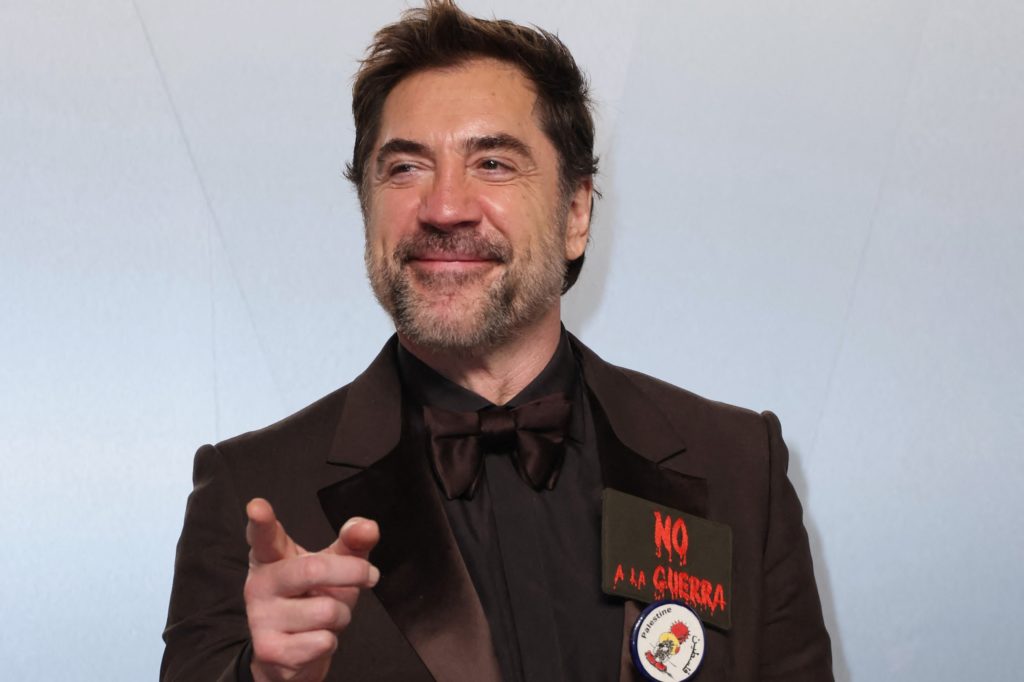
The annual awards season reached a watershed moment as the Oscars embraced a theme of peace and civility, inviting viewers to reflect on global tensions and domestic divisions. Organizers and participants signaled that this cycle’s political voices among celebrities were more pronounced and persistent than in recent years, signaling a shift in how cultural events intersect with public policy and political sentiment.
What Just Happened
Leading up to and during the ceremony, a coordinated effort underscored the importance of peace, diplomacy, and humanitarian concerns. Prominent actors, directors, and producers used the platform to highlight issues ranging from international conflict relief to domestic social cohesion. The messages were carefully curated to balance advocacy with the broader entertainment purpose of the event, generating conversations across social media, news outlets, and civic groups.
Public & Party Reactions
Audience response to the heightened political emphasis was mixed but telling. Supporters argued that high-profile voices can catalyze civic engagement, influence policy priorities, and elevate overlooked issues. Critics, however, cautioned against the risks of performative activism, urging journalists and viewers to discern substance from spectacle. Politically, the moment sits at the intersection of culture and governance, hinting at a broader appetite for accountability and constructive dialogue in a polarized environment.
Policy Relevance and Civic Impact
While the Oscars are primarily an entertainment platform, the increased visibility of political engagement signals several practical implications:
- Public awareness: Larger audiences are exposed to humanitarian and peace-oriented agendas, potentially shaping attitudes toward foreign policy and international aid.
- Issue framing: The event helps set the agenda for what issues gain cultural legitimacy, potentially influencing congressional priorities or funding allocations for related initiatives.
- Celebrity leverage: The influence of well-known figures can shift public perceptions, particularly among younger audiences who rely heavily on media personalities for cues on civic participation.
What Comes Next
As 2026 unfolds, several dynamics will likely influence how this trend evolves:
- Policy dialogue: Expect continued integration of policy-focused remarks in cultural events, with organizers seeking to maintain balance while preserving the artistic integrity of the platform.
- Accountability mechanisms: Audiences and media outlets may scrutinize the consistency between celebrities’ advocacy and subsequent actions or philanthropic commitments.
- Electoral context: While not a direct campaign, the visibility of political voices in entertainment could affect voter sentiment, turnout, and issue salience during upcoming elections.
Context and Strategic Implications
This shift reflects a broader trend where entertainment industries increasingly engage with public policy, not as partisan battlegrounds but as forums for dialogue and social responsibility. For policymakers and civic organizations, the Oscars’ example suggests opportunities to collaborate with cultural institutions to promote peace-building, humanitarian aid, and resilience against global crises. For industry stakeholders, the moment underscores the need to navigate the balance between artistic expression, commercial considerations, and social impact.
In Summary
The Oscars’ pivot toward peace-centered messaging marks a notable moment in 2026, illustrating how political expression within entertainment can influence public discourse and potentially shape policy priorities. Whether this signals a durable shift in how celebrities participate in civic life remains to be seen, but its immediate effect is clear: a more politically vocal, civically engaged awards season that invites audiences to think beyond screenplays to real-world consequences.