Overview
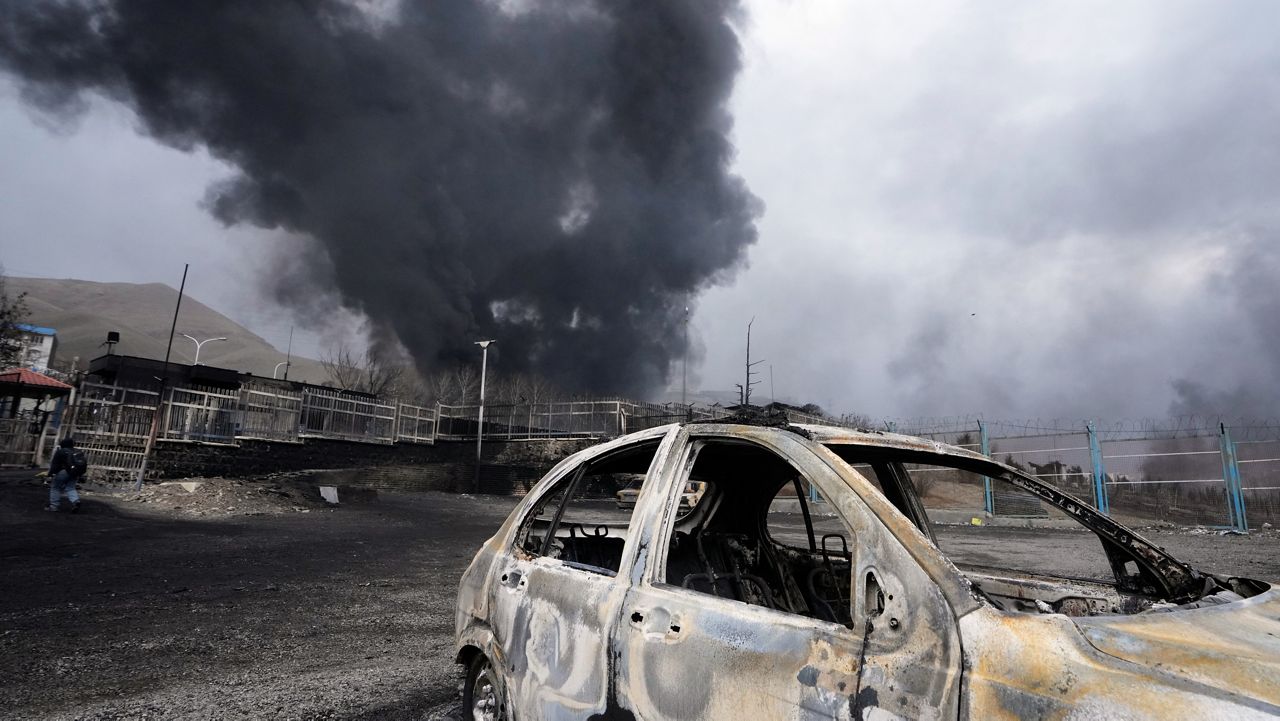
Tensions in the Middle East have surged again, drawing sharp attention from policymakers, defense planners, and global markets. Simultaneously, a highly watched U.S. political event—the Georgia special election—offers a barometer for party organization, messaging, and voter sentiment heading into the 2026 cycle. Complicating geopolitical analysis is the World Cup’s ongoing geopolitics, where sporting competition intersects with diplomacy, energy considerations, and regional influence. Together, these developments form a complex tapestry that shapes U.S. foreign policy posture, domestic political calculations, and global risk assessments.
Situation Brief: Escalation in the Middle East
News of renewed or intensified hostilities in the region has immediate consequences for international security, humanitarian conditions, and economic stability. In short, the conflict affects:
- Strategic considerations for allies and partners in the region, including security guarantees, counterterrorism cooperation, and crisis response planning.
- Global energy markets and supply chains, where volatility can ripple into prices and inflation expectations.
- The credibility of international institutions and coalition efforts designed to curb conflict and protect civilian populations.
Strategic Stakes
For the United States, the key strategic questions revolve around:
- How to calibrate support to partners while avoiding a broader regional conflagration.
- The balance between diplomacy and deterrence, including sanctions, aid, and multilateral coordination.
- The management of domestic political narratives that may influence foreign policy choices, especially in an election year.
Georgia Special Election: Domestic Significance and Implications
The Georgia special election carries outsized symbolic and practical weight:
- It tests party ground operations, fundraising efficacy, and message discipline amid high-stakes national issues.
- Voter turnout patterns could reveal appetite for incumbents’ policy directions, including infrastructure, economic resilience, and national security postures.
- The election outcome is a barometer for how local concerns intersect with national debates, potentially signaling shifts in realignment or grassroots organization.
In what this means for policy and governance:
- The results may influence legislative tempo, especially on funding for defense, foreign aid, and appropriations tied to global stability.
- Campaign narratives will likely emphasize resilience against security shocks, border and migration policy, and economic stewardship—topics that resonate with voters facing inflation and job security concerns.
- Allies and rivals alike will watch Georgia as a test case for the endurance of U.S. political institutions to sustain bipartisan consensus on critical foreign policy challenges.
World Cup Geopolitics: Sports Diplomacy and Global Power Dynamics
The FIFA World Cup is more than a tournament—it is a strategic vector in global diplomacy:
- Host nations and competing blocs leverage the event to project soft power, attract investment, and deepen regional ties.
- Energy security, infrastructure financing, and labor practices connected to tournament logistics raise questions about governance standards and international norms.
- The geopolitical glare surrounding the World Cup intersects with broader U.S.-led or multilateral efforts to shape the rules of global sporting events, address human rights concerns, and manage competitive influence in regions where football (soccer) is a conduit for cultural capital.
Impact on U.S. Interests
- Diplomacy: The World Cup environment offers fixed moments to engage with partners and competitors, potentially opening channels for quiet diplomacy during high-visibility events.
- Economics: Post-tournament regional investments, tourism flows, and infrastructure legacies can affect local economies, with spillovers to policy debates about infrastructure funding and public investment.
- Security: Large-scale events require robust risk assessment—from cyber and counterterrorism to crowd management and supply chain resilience—creating opportunities for interagency coordination and private sector collaboration.
Forward-Looking Risks and Scenarios
- Escalation trajectory: A failure to de-escalate could pull in more regional players or create spillover effects that test U.S. retaliation and deterrence options, complicating domestic political narratives around security spending and alliance commitments.
- Domestic political alignment: The Georgia vote could influence party positioning on foreign policy messaging and the perceived competency of leadership during international crises.
- Global order pressures: The World Cup’s geopolitics could exacerbate or ease tensions depending on consequential decisions around hosts, sponsorships, or labor practices, impacting U.S. reputation as a promoter of democratic norms and labor standards.
What Comes Next
- Policy coordination: Expect intensified briefings across national security, diplomacy, and economic teams to address regional destabilization risks, energy price volatility, and alliance cohesion.
- Legislative posture: The Georgia election results may shape committee leadership and the pace of foreign policy and defense appropriations, while urging congress to confront inflation-linked pressures that affect national security budgeting.
- Diplomacy and athletics: As the World Cup unfolds, the U.S. will weigh engagement strategies with host countries and other major participants, balancing values with strategic interests and economic partnerships.
Conclusion
The convergence of escalating Middle East conflict, a consequential Georgia special election, and World Cup geopolitics presents a multi-front challenge for U.S. strategy in 2026. Policymakers must navigate security commitments, economic resilience, and diplomatic signaling, all while managing domestic political dynamics that shape the willingness and ability to act. The coming months will test the alignment between long-term strategic objectives and the immediate pressures of a rapidly changing global landscape.