Overview
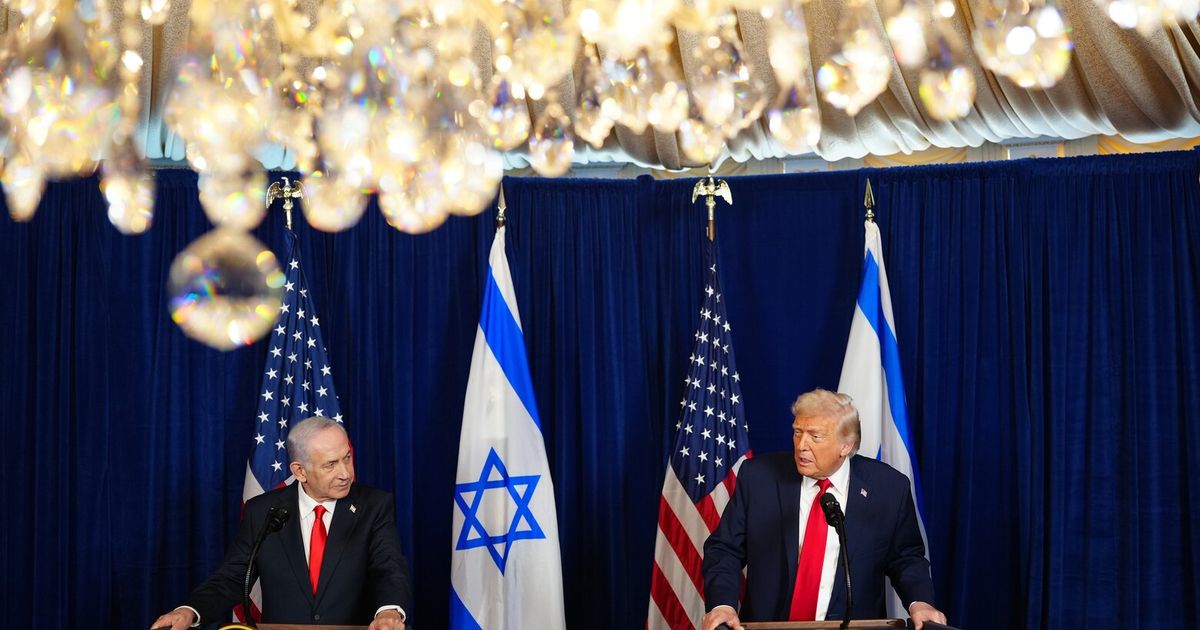
The political and security landscape in the Middle East is shifting under a new, unprecedented level of U.S.-Israel military coordination. Under President Trump, Washington appears to be embracing a joint wartime posture with Israel, a marked departure from long-standing caution about entangling the United States in a full-spectrum alliance in the region. The move signals a decisive shift in American strategy, with ramifications for global power dynamics, regional stability, and domestic political calculations as the 2026 political cycle unfolds.
What Just Happened
Observers note a clear pivot: Washington has moved from supporting Israel militarily and diplomatically to integrating military command, planning, and operational tempo. This approach emphasizes synchronized air, space, and cyber operations, joint intelligence fusion, and a unified civilian-military command ethos. The effect is a streamlined decision-making process that can accelerate execution but also concentrates risk across both states and their partners. The decision reverberates through allied capitals, unsettles rival powers, and forces adversaries to recalibrate their expectations about American restraint in the region.
Public & Party Reactions
Within the Republican ranks, Trump-era foreign policy instincts—favoring direct, decisive action and durable security guarantees to ally states—are being reinforced. Critics, including Democratic lawmakers and some foreign policy experts, warn about overreach, mission creep, and the potential for broader regional escalation that could entangle the United States in a wider conflict with unexpected consequences for civilians, markets, and global stability. International allies and adversaries alike are reassessing risk premiums: partners seek credible assurances of burden-sharing, while rivals test the durability of U.S. commitments and the resilience of regional deterrence frameworks.
Strategic Stakes
- For Israel: The arrangement promises enhanced operational reach and a more unified strategic front against shared threats. It could deter non-state actors and adversaries but raises questions about sovereignty, risk exposure, and the political cost of long-term entanglement.
- For the United States: The alliance redefines core interests, shifting the calculus toward deterrence-by-cooperation and preemptive security postures. It raises the stakes for American lives and resources, while potentially strengthening Washington’s hand in bargaining with other regional players.
- For regional actors: Iran, Hezbollah, Syria, and other states observe the new tempo and test red lines. The possibility of rapid escalation grows if misinterpretations occur or if credible deterrence signals degrade.
Impact on US Interests
Analysts emphasize three cross-cutting effects:
1) Deterrence and signals: A joint war posture signals resolve to adversaries, potentially reducing opportunistic aggression but increasing the likelihood of rapid, large-scale conflicts.
2) Alliance management: Deepened coordination requires robust allied burden-sharing, transparent risk assessment, and credible exit strategies to avoid becoming entangled in proportional or disproportionate responses.
3) Global governance implications: The United States must manage international markets, humanitarian concerns, and diplomatic relations with European, Asian, and Gulf partners who rely on U.S. leadership for stability and predictability.
Global Power Dynamics
The Trump-Israel alignment could shift the balance of power in the Middle East away from traditional US-friendship paradigms toward a more transactional, outcome-driven security model. Rivals, including major regional players and global powers, will respond with new alliances, sanctions, or cyber and strategic countermeasures. The broader implication is a redefined U.S. footprint in a volatile theater where quick, decisive actions now carry heightened strategic weight.
Forward-Looking Risks
- Escalation risk: Prolonged joint operations raise the probability of wider regional confrontation, potentially triggering civilian harm and humanitarian crises that draw international scrutiny and pressure.
- Domestic political backlash: The cost of extended conflict could become a dominant domestic issue, shaping 2026 electoral narratives around defense spending, veteran care, and strategic credibility.
- Diplomatic fragmentation: Some allies may seek to hedge their commitments or pursue independent diplomatic tracks, complicating coalition-building for future stabilization efforts.
What Comes Next
Expect continued emphasis on rapid decision cycles, joint logistics and intelligence sharing, and the forging of a broader regional security framework that aligns with U.S. and Israeli strategic objectives. Watch for:
- Additional multi-lateral security dialogues with Gulf partners and EU allies.
- Legislative and budgetary debates in Washington about war funding, oversight, and civilian protection mandates.
- Diplomatic efforts aimed at minimizing civilian casualties and maintaining cross-regional economic stability.
Conclusion
The emergence of a formalized, joint war posture between the United States and Israel marks a watershed moment in 21st-century geopolitics. It promises greater operational efficiency and a stronger deterrent against adversaries but comes with amplified risks of escalation, broader regional destabilization, and domestic political consequences. As the 2026 landscape evolves, policymakers will be judged on how well they balance strategic clarity with comprehensive risk management, ensuring that deterrence does not outpace diplomacy or humanitarian considerations.