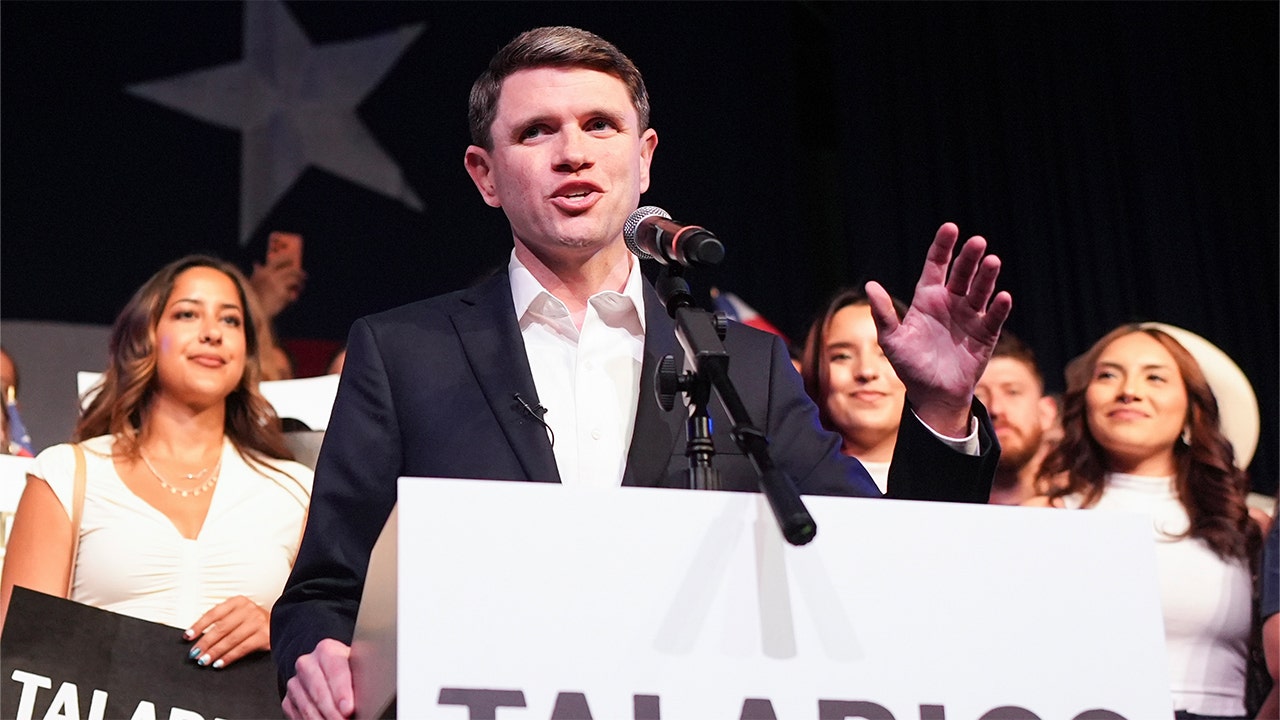
Overview
A prominent young Democrat, James Talarico, is at the center of backlash after remarks critics labeled as “creepy” regarding transgender children. The incident touches on sensitive culture-war issues that often shape campaigns, donor behavior, and legislative priorities. As a midterm-to-presidential-adjacency year unfolds, the episode raises questions about how party leadership, messaging, and policy positions will navigate the evolving landscape around transgender rights and youth healthcare.
What Just Happened
Talarico’s remarks, circulating in political chatter and online platforms, drew swift scrutiny from opponents and some allies who warned that the comments risk alienating moderate voters and energizing Republicans on a high-stakes issue. The incident underscores the ongoing struggle within the Democratic coalition to balance inclusive rhetoric with policy proposals that address concerns raised by a broad swath of voters, including parents and faith communities.
Public & Party Reactions
Responses have been mixed and varied by constituency. Critics within and outside the party argue that the comments risk normalizing uncomfortable framing of transgender youth, potentially undermining public support for concrete policy initiatives. Supporters emphasize the need to defend transgender rights, pushing back against what they see as mischaracterizations or sensationalism. Party leaders face pressure to manage optics, repair trust, and articulate clear, policy-driven positions on education, healthcare, and civil rights.
Policy Snapshot
The episode amplifies the broader policy debate surrounding transgender youth rights, including access to healthcare, school policies, and parental involvement in medical decisions. Lawmakers are weighing:
- Educational standards and protections for transgender students
- Medical guidelines and eligibility for gender-affirming care
- Safeguards against discrimination in schools and communities
- Parental rights and involvement in health decisions
This incident occurs amid a broader push by some states to implement or expand protections for LGBTQ+ youth, while others pursue restrictions. The policy landscape remains highly contested, with federal guidance and potential legislative proposals likely to surface as lawmakers navigate public scrutiny and party unity.
Who Is Affected
- Transgender youth and their families, who watch how political framing translates into policy and access to care.
- School districts and educators implementing gender-supportive policies or responding to parental concerns.
- Lawmakers within the Democratic Party negotiating messaging that resonates across diverse constituencies.
- Opposing political actors who use the controversy to argue for or against broader civil rights protections.
- Voters seeking clarity on where the party stands on youth healthcare, education, and protections against discrimination.
Economic or Regulatory Impact
While the immediate topic is social policy, the longer-term regulatory climate could influence:
- Federal and state funding for LGBTQ-inclusive education and healthcare programs.
- Insurance coverage and licensing standards related to gender-affirming care in jurisdictions with different regulatory frameworks.
- Administrative guidance for schools on gender identity policies and anti-discrimination enforcement.
These factors can indirectly affect budgets for schools, health services, and state compliance costs, shaping conversations about governance and fiscal priorities in upcoming elections.
Political Response
The incident tests the Democratic party’s ability to respond with a unified, policy-forward approach while addressing concerns about tone and rhetoric. Possible strategic moves include:
- Re-emphasizing core civil rights commitments and presenting concrete policy proposals for transgender youth protections.
- Differentiating the party’s stance from single-issue framing, highlighting broader commitments to family safety, healthcare access, and educational equity.
- Coordinating spokespersons to ensure consistent messaging across campaigns and statehouse races.
- Engaging with diverse voter blocs to reassure moderates and independents about governance prudence.
What Comes Next
Expect renewed discourse on transgender policy in the run-up to elections, including:
- Congressional or state-level hearings and potential legislative proposals on youth healthcare and anti-discrimination protections.
- Party messaging focused on protecting vulnerable communities while addressing parental concerns in a balanced manner.
- Increased scrutiny of public figures’ remarks and their impact on voter sentiment, fundraising, and endorsements.
- Media coverage that tests the effectiveness of the party’s policy playbooks and the resilience of its leadership in crisis communications.
Tone and Analysis
This analysis treats the episode as a stress test for Democratic messaging and policy clarity on transgender rights in a polarized environment. The central questions for strategists: How will the party articulate a coherent, humane policy platform that respects transgender youth and their families while addressing concerns of diverse voters? How will leaders prevent future statements from triggering backlash and eroding trust? The 2026 political landscape rewards clarity, consistency, and empathy in governance, even when navigating sensitive cultural debates.