Overview
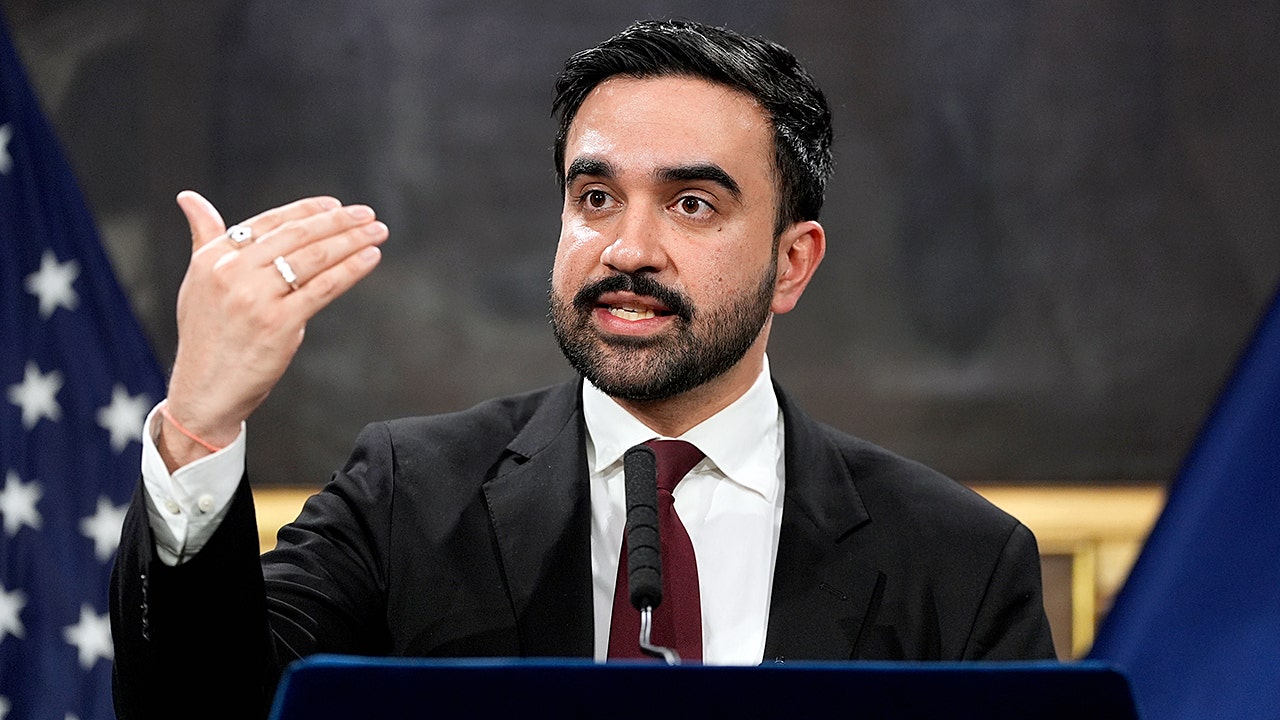
New York City’s political spotlight has shifted to Gracie Mansion after Mayor Zohran Mamdani hosted Mahmoud Khalil, a figure accused of Hamas support, for a private dinner. The incident has ignited a public and online backlash, placing Mamdani’s leadership and judgment under intense scrutiny. While private hospitality is a longstanding aspect of urban governance, the optics of hosting a controversial guest amid a volatile regional and global backdrop has raised questions about trust, accountability, and strategic messaging from City Hall.
What Just Happened
The episode unfolded as the mayor welcomed Mahmoud Khalil to Gracie Mansion for a dinner that attendees describe as stepping beyond typical ceremonial engagements. Critics argue the guests’ affiliations undermine the city’s stance against extremism and jeopardize NYC’s diverse, security-conscious environment. Supporters contend that private conversations can foster dialogue and pragmatism in a complex urban landscape. The episode has quickly become a flashpoint in the broader debate over leadership judgment, civic boundaries, and the responsibilities that come with occupying a high-profile municipal office.
Public & Political Reactions
Online discourse and local commentary have surged, with constituents, community organizations, and political observers weighing the implications for governance credibility. Opponents frame the dinner as a potential signal of tolerance for extremist sympathies, urging Mamdani to clarify policy positions and distancing actions. Proponents urge patience, arguing that governance requires engagement with a broad spectrum of voices and that private gatherings do not automatically dictate public policy or allegiance. The debate has intensified discussions about transparency, donor influence, and the criteria by which city leadership judges admissible associations.
Policy and Governance Implications
- Trust and legitimacy: The incident intensifies scrutiny of executive judgment and the thresholds for acceptable associations in a diverse, high-profile city.
- Public safety and messaging: In a metropolis with critical security and counter-terrorism concerns, the mayor’s circle of contacts becomes part of the broader risk assessment for anti-extremism messaging and policy coherence.
- Community relations: NYC’s multicultural and immigrant communities are watching how leadership navigates complex solidarity and security considerations, which could influence community engagement strategies and outreach priorities.
- Transparency and accountability: The episode underscores calls for clearer disclosure about guest criteria for official events and more robust communications around how private engagements align with public policy goals.
What Comes Next
- Clarification from City Hall: Expect a formal statement from the mayor detailing the purpose of the dinner, the guest selection criteria, and any policy implications or commitments arising from the engagement.
- Stakeholder briefings: Community groups, advisory boards, and security officials may request briefings to understand how such engagements align with the city’s anti-extremism stance and public safety priorities.
- Political recalibration: Depending on forthcoming explanations and policy signals, Mamdani’s administration could adjust public messaging, event protocols, or guest vetting processes to reinforce accountability and reassure skeptical constituents.
- Electoral and governance context: As NYC remains a dynamic political environment with upcoming elections and policy debates—ranging from housing and policing to budget priorities—the episode could influence conversations about leadership thresholds at the municipal level.
Context and Significance
This controversy sits at the intersection of leadership judgment, urban policy, and public accountability. For a major American city, the optics of private engagements with controversial figures are not merely ceremonial; they feed into broader narratives about governance style, coalition-building, and the boundaries of acceptable discourse. The episode thus becomes a litmus test for Mamdani’s ability to navigate sensitive political terrains while maintaining inclusive, security-conscious governance for a city defined by its diversity and resilience.
Key Takeaways for Observers
- The incident underscores the heightened sensitivity around who city leaders spend time with and how those associations are perceived by the public.
- Effective crisis communication and a clear, policy-driven response will be critical in shaping public confidence and long-term governance credibility.
- Ongoing governance signals—particularly around transparency, event vetting, and anti-extremism commitments—will influence both public sentiment and political dynamics in NYC.