Situation Brief
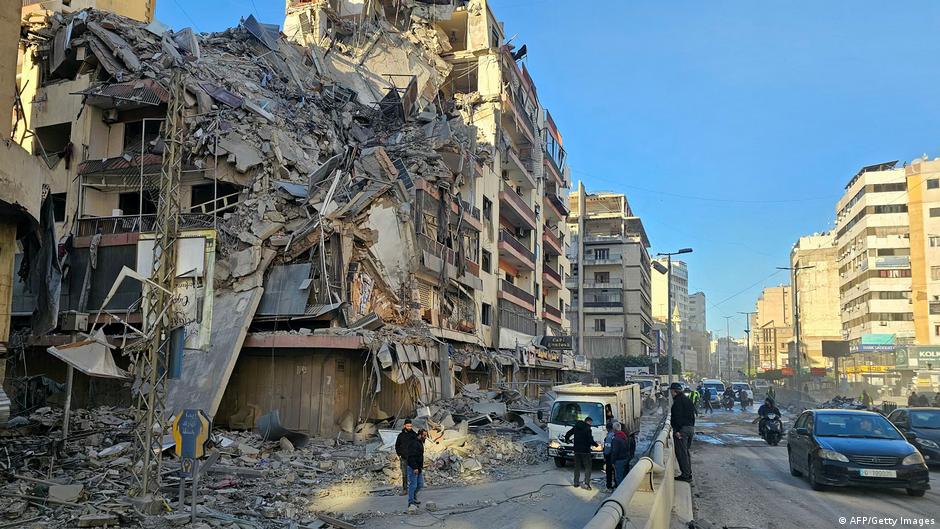
The convergence of intensified military actions by the United States and Israel with sustained Iranian retaliation is reshaping the political landscape across the Middle East. In several capitals, governments that have historically balanced domestic priorities with regional security are now contending with heightened security concerns, military pressures, and the political fallout that follows foreign conflict. The immediate consequence is a widening gap between aggressive regional campaigns and fragile governance, creating a volatile backdrop for policy decisions, public sentiment, and regional diplomacy.
Strategic Stakes
Key regional powers are recalibrating their postures in response to escalating confrontation. For the United States, the objective is to deter Iran’s nuclear and regional influence while maintaining credible deterrence against adversaries. For Israel, military operations are aimed at degrading Iran’s capabilities and its proxies, but the campaign risks expanding beyond targeted targets and dragging neighboring states into broader confrontation. Iran, meanwhile, seeks to project strength, retaliate against perceived provocations, and sustain influence in politically fractured theaters. The result is a risk-rich environment where alliances are tested, and geopolitical calculations become more consequential for policymakers in Washington, Jerusalem, Riyadh, Ankara, and beyond.
Impact on US Interests
The unrest reverberates across three core areas of U.S. strategic concern: regional stability, counterterrorism stewardship, and energy security. Prolonged instability in the Gulf and Levant could disrupt shipping lanes, alter energy markets, and complicate nonproliferation objectives. U.S. diplomacy faces a complex balancing act: sustaining coercive pressure on Iran, maintaining coalition unity among regional partners, and preventing a broader regional war that might draw in multiple state and nonstate actors. Domestic policymakers, meanwhile, must weigh public opinion about foreign commitments versus domestic priorities, including economic resilience and security at home.
Global Power Dynamics
The conflict underscores a widening struggle between conflicting global blocs. The United States seeks to preserve a rules-based regional order, while Russia and China may seek opportunities to expand influence through nuanced mediation or strategic support to various regional actors. The Middle East is increasingly a stage for competition over security guarantees, arms supplies, and diplomatic leverage. This dynamic complicates traditional alliances and compels many governments to diversify partnerships to hedge against escalation.
Forward-Looking Risks
- Escalation spirals: Miscalculation on either side could spark an extended regional war, pulling in nonstate actors and neighboring countries with divergent interests.
- Domestic political fragility: Governments grappling with economic pressures and social strains may leverage foreign policy as a unifying narrative or, conversely, face political backlash if populations perceive costs as outweighing gains.
- Diplomatic deadlock: Efforts to broker de-escalation could stall amid competing regional agendas, delaying normalization processes and trade, energy, or security arrangements.
- Supply chain and energy volatility: Global markets could react to supply disruptions, leading to price volatility and diversification of energy sources by importing countries.
What Comes Next
Analysts expect ongoing, though uneven, military activity with periods of temporary de-escalation punctuated by retaliatory strikes or targeted actions. Diplomatic channels will likely intensify at international summits and through back-channel negotiations as stakeholders seek a pathway to deconfliction, confidence-building measures, and a framework for preventing spillovers into broader conflict. In Washington and allied capitals, policymakers will continue prioritizing deterrence, alliance coherence, and coalition-building, while domestic audiences press for accountability and clarity about strategic objectives and costs.
Conclusion
The current phase of Middle East conflict underscores how foreign policy choices in Washington and Jerusalem reverberate through regional governance. As Iran, its regional network, and external powers maneuver for position, the governance landscape in Middle Eastern countries will remain under strain—testing institutions, shaping public opinion, and redefining the policy playbook for years to come. The overarching question for 2026 remains whether diplomacy can outpace escalation and whether regional stability can be restored without compromising key geopolitical or economic interests.