Overview
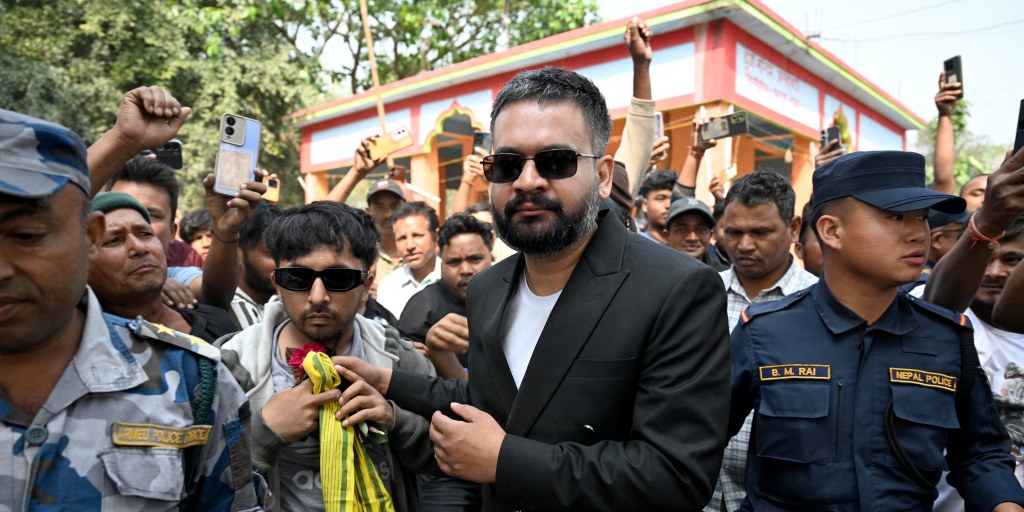
A new political force in Nepal is capturing the attention of voters and analysts alike as early election results place it at the forefront of the country’s political landscape. Led by Balendra Shah, a 35-year-old former rapper turned activist-politician, the party is riding a surge of public anger toward traditional party politics. Shah’s message centers on pragmatic governance, with a spotlight on health and education for the poor—policies that resonate with a generation wary of entrenched elites and opaque decision-making.
What Just Happened
The first election conducted since the 2025 Gen Z-led revolt has produced noticeable momentum for this upstart party. Campaign messaging focused on concrete social outcomes rather than long-standing partisan rhetoric. Shah’s emphasis on accessible healthcare and universal-quality education is designed to address the immediate needs of vulnerable Nepalis, while also signaling a break from conventional political playbooks.
Public & Party Reactions
Supporters are drawn to a candidate who embodies a break with the “establishment” and promises transparency, accountability, and delivery on social services. Critics question the party’s readiness to govern and the sustainability of its reform agenda, especially in a political environment historically dominated by senior leaders and coalition games. Observers note that the Gen Z electorate, energized by street-level concerns and nationalist pride in local governance, may favor a data-driven, outcomes-oriented platform over traditional party-line politics.
Policy Focus and Implications
- Health and Education for the Poor: The campaign’s defining policy—expanding access to quality healthcare and education—aims to reduce disparities that have long plagued Nepal’s rural and urban poor. If enacted, this could recalibrate budget priorities and press competing parties to articulate measurable delivery timelines.
- Governance Reform: The political momentum suggests a demand for greater transparency, expedited service delivery, and reduced bureaucratic red tape. Expect future policy proposals to emphasize administrative simplification, anti-corruption safeguards, and citizen-centric governance models.
- Economic Considerations: While social protection remains a priority, the party’s economic stance will be tested against fiscal realities, foreign aid dependencies, and the need to maintain macroeconomic stability as social programs scale up.
Strategic Significance
For Nepal’s political ecosystem, the emergence of a youthful, issue-focused party represents a potential realignment of power dynamics. It signals a shift from personality-driven politics toward issue-driven governance, with a stronger emphasis on measurable social outcomes. The momentum behind this movement could compel traditional parties to recalibrate platforms, invest more in program delivery, and respond more quickly to public grievances.
Regional and Global Context
Nepal sits at a crossroads of development challenges, including public health access, educational attainment, and the management of rapid urbanization. A successful pivot by this new party could influence neighboring South Asian democracies facing similar demands for youth engagement and governance reforms. The evolving landscape may also affect Nepal’s domestic policy debates surrounding federalism, resource allocation, and social protection programs.
What Comes Next
- Electoral Dynamics: As results continue to trickle in, observers will assess whether the party can translate early momentum into a durable governing mandate. Coalition considerations and the party’s ability to build cross-cutting support will be crucial.
- Policy Roadmap: Expect detailed policy white papers outlining timelines, financing mechanisms, and governance reforms. Watch for clarifications on how health and education programs would be funded, including public-private partnerships and international assistance.
- Institutional Safeguards: With calls for greater transparency, there will likely be heightened focus on anti-corruption frameworks, public accountability measures, and independent oversight.
Bottom Line
Nepal’s political scene is undergoing a notable transformation as a young, issue-focused party gains traction in the first post-Gen Z revolt elections. By centering health and education for the poor and advocating governance reform, the movement seeks to redefine Nepal’s policy agenda and political norms. The coming weeks will determine whether this momentum translates into lasting political influence or remains a powerful, but evolving, challenge to the status quo.