Overview
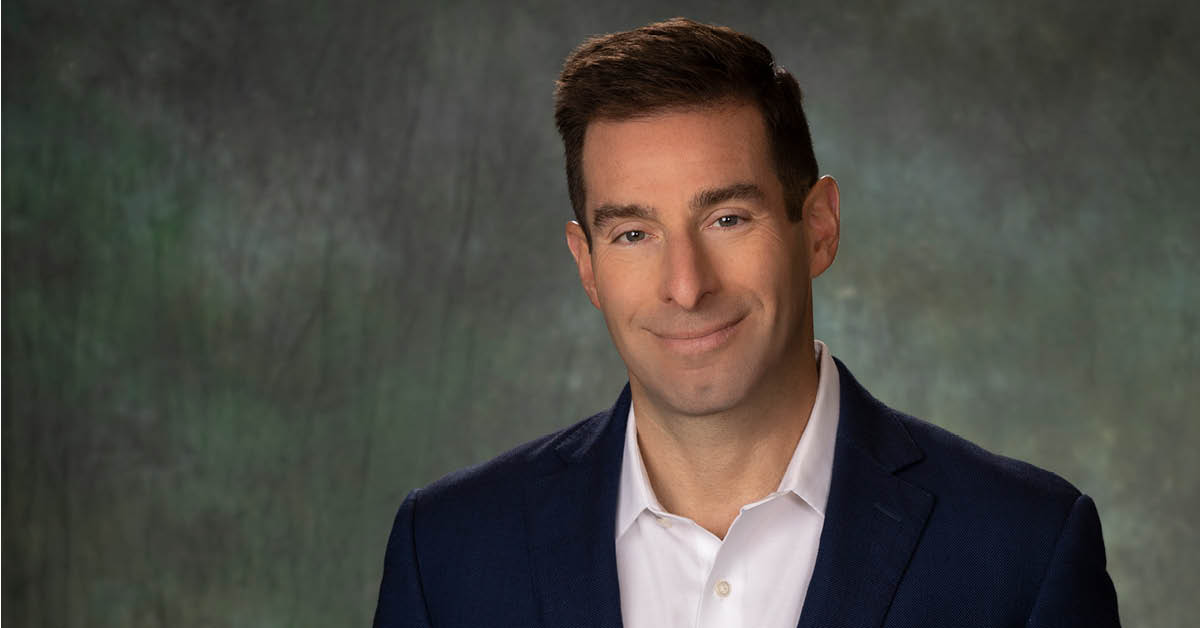
CNN Senior Legal Analyst Elie Honig is set to headline a public dialogue at Rowan University, focusing on how politics and the American justice system intersect in 2026. The event, scheduled for Thursday, March 26, puts a spotlight on accountability, legal norms, and the role of prosecutors in a polarized era. As a high-profile observer of federal and state legal dynamics, Honig’s remarks are expected to illuminate how political dynamics shape criminal justice policy and public perception.
What Just Happened
Honig’s appearance comes amid rising public scrutiny of prosecutorial decisions, landmark investigations, and the politicization of certain legal processes. The session will likely examine questions such as how political leadership and messaging influence prosecutorial discretion, the balance between safety and civil liberties, and the implications for trust in institutions. With Honig’s track record as a legal analyst and former prosecutor, attendees can anticipate concrete examples and a nonpartisan read of evolving legal standards.
Public & Party Reactions
Expect reactions to center on information clarity and policy implications rather than partisan spin. Students, faculty, and local residents are positioned to engage with questions about criminal justice reform, federalism in law enforcement, and the practical consequences of political rhetoric on everyday governance. The event may also spark conversations about the transparency of prosecutorial processes, the ethics of media involvement in high-profile cases, and the evolving responsibilities of legal professionals in a democratic society.
Policy Context and Implications
The discussion aligns with ongoing debates over the balance between public safety, civil liberties, and political accountability. As lawmakers debate sentencing reform, prosecutorial independence, and funding for investigative agencies, Honig’s insights could translate into a sharper understanding of how policy choices translate into courtroom realities, court backlogs, and the speed of justice. The event offers a platform to unpack the role of the judiciary within the broader policy ecosystem, including how regulatory frameworks and administrative practices influence outcomes.
What Comes Next
In the wake of this session, observers will be watching for themes that might inform upcoming policy debates and electoral conversations. Key questions include: How will prosecutors navigate political pressures while maintaining impartiality? What reforms could gain bipartisan traction to improve efficiency, transparency, and accountability in the justice system? And how might public education about legal processes affect civic engagement and trust in institutions?
Impact on Governance and Public Discourse
As political actors increasingly scrutinize law enforcement and legal processes, the Honig discussion reinforces the centrality of the justice system in public governance. The exchange is likely to contribute to a broader understanding of how political dynamics shape legal policy, including funding priorities, prosecutorial discretion, and judicial administration. For voters and policymakers, the event underscores the need to separate rhetoric from procedural realities and to cultivate informed civic participation.
Public Accessibility and Engagement
Rowan University’s program invites a diverse audience to weigh in on the practical effects of political decisions on the justice framework. By hosting a respected legal commentator in a public setting, the university emphasizes accessible dialogue on complicated topics—encouraging questions, case-based learning, and a more informed citizenry.
Conclusion
Elie Honig’s appearance signals a moment of convergence for political analysis and legal practice. As debates about governance, accountability, and the fairness of the justice system intensify, such conversations help translate high-level policy discussions into tangible implications for law, elections, and everyday governance in the United States. This event is a timely reminder that the intersection of politics and prosecution remains a central arena for democratic accountability and public discourse.