Overview
American politics remains deeply polarized, and public conversations often spiral into partisan stalemate. At Kalamazoo College, a recent class has been positioned as a practical laboratory for civil discourse, aiming to demonstrate how structured dialogue can bridge divides, improve listening skills, and foster more productive political engagement. This piece examines what the initiative signals for higher education’s role in democracy, and what observers should watch as classrooms potentially influence broader civic behavior.
What Just Happened
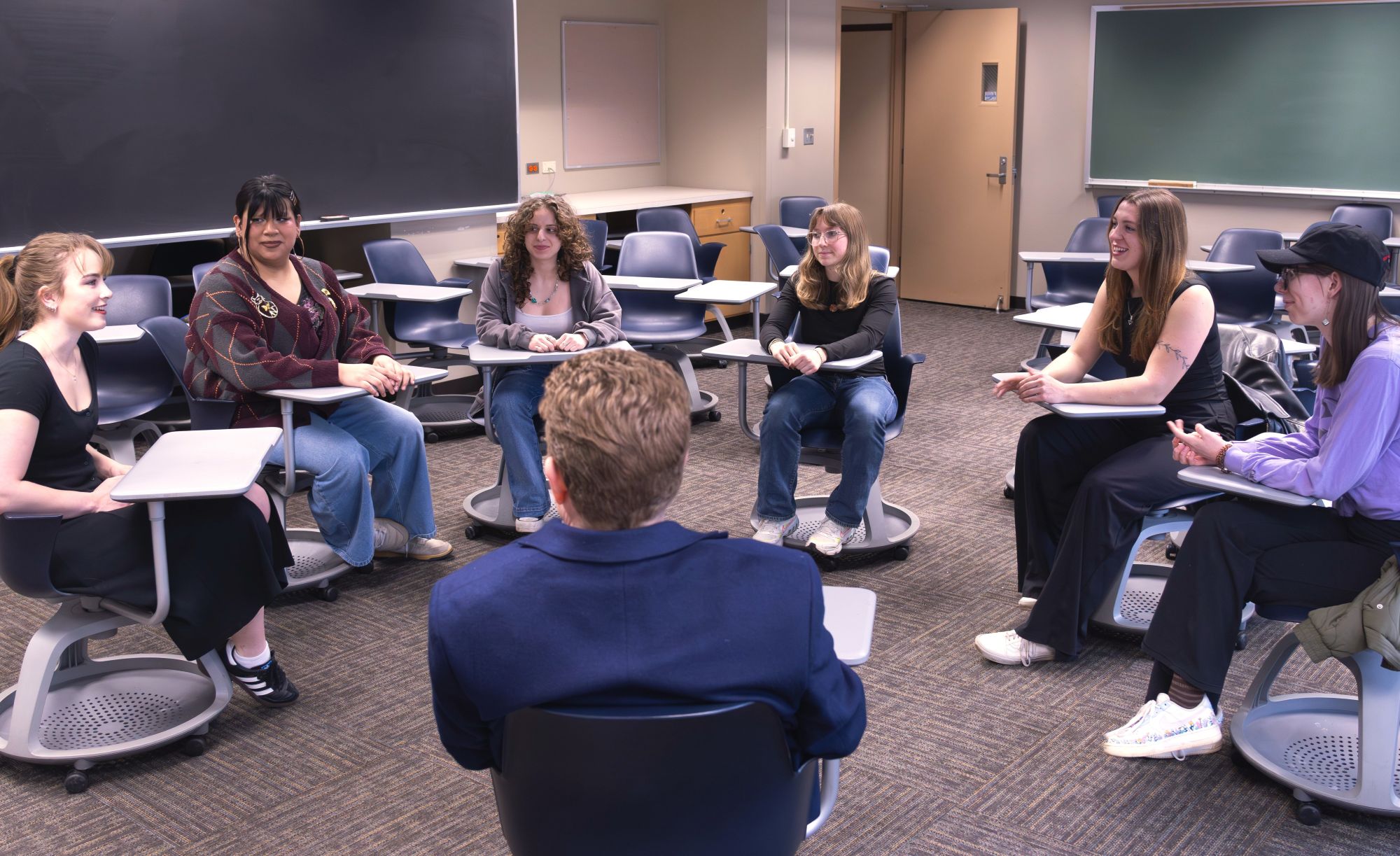
The course activity centers on facilitated conversations that emphasize listening, empathy, and fact-based discussion. Rather than debate for victory, students practice argumentation centered on understanding opposing viewpoints, identifying common ground, and formulating constructive responses. In a political climate where terms like “civility” can be dismissed as performative, the Kalamazoo experiment seeks measurable outcomes: increased willingness to engage with people across the aisle, improved media literacy, and a clearer understanding of policy trade-offs.
Public & Institutional Reactions
Educators and policymakers have taken note of the initiative as a potential model for integrating civics education with real-world political engagement. Advocates argue that such courses can complement traditional curricula by building soft skills—critical thinking, negotiation, and collaborative problem-solving—that translate beyond campus walls. Critics worry about performative overreach or insufficient scalability, but supporters contend that the classroom can serve as a controlled environment to model healthier political behavior and set standards for civil interaction in public discourse.
Policy Snapshot: The Education-to-Engagement Pathway
The Kalamazoo approach aligns with a broader push to strengthen civic education, promote media literacy, and encourage participatory governance at the local and national levels. Proponents see value in embedding civil discourse training within general education, political science, and communication curricula, paired with community engagement projects. The policy implications extend to how colleges partner with libraries, public forums, and local governments to create ongoing opportunities for constructive dialogue across diverse communities.
Who Is Affected
- College students and faculty: Access to practical skills for navigating political conversations and evaluating information sources.
- Local communities: Potential spillover effects as students engage in town halls, service projects, and collaborative problem-solving initiatives.
- Employers and policymakers: Appreciation for graduates equipped with collaboration, empathy, and evidence-based reasoning—skills increasingly valued in public service and the private sector.
Economic or Regulatory Impact
Short-term economic effects are modest, focusing on program funding, faculty development, and campus events. In the longer run, success metrics could influence state and national discussions about funding for civics education and public-facing scholarship. If civil discourse initiatives prove scalable, they may inform standards for institutional accreditation and accountability around civic learning outcomes.
Political Response
The public conversation around civil discourse in higher education has bipartisan resonance but differs in emphasis. Supporters highlight the role of universities in sustaining democracy through practical skills and critical thinking. Critics may question the effectiveness or resource allocation, prompting debates over measurement, long-term impact, and alignment with national political climates. The campus-based model could inspire similar courses across institutions, potentially shaping a broader policy conversation about civics in education.
What Comes Next
Observers will look for data on engagement metrics: participation in dialogues, resilience in conversations across political lines, and increases in cross-cutting civic activities. Institutions may consider expanding to collaborative programs with community organizations, media literacy initiatives, and student-led policy projects. The ultimate test lies in whether the classroom experience translates into more constructive political participation beyond campus boundaries.
Long-Term Significance
If the Kalamazoo pilot demonstrates durable improvements in civil discourse, it could recalibrate expectations for higher education’s contribution to democracy. The model suggests a pathway for integrating civic skills into everyday governance—from local forums to national policy debates—by normalizing respectful disagreement and evidence-based dialogue. Over time, this could influence how future leaders listen, negotiate, and build consensus in an era of heightened polarization.
Note: This analysis presents the classroom experiment as a practical lens on civil discourse rather than a definitive solution to polarization. It underscores the potential for higher education to shape healthier political engagement through intentional pedagogy, community partnerships, and ongoing evaluation.