Overview
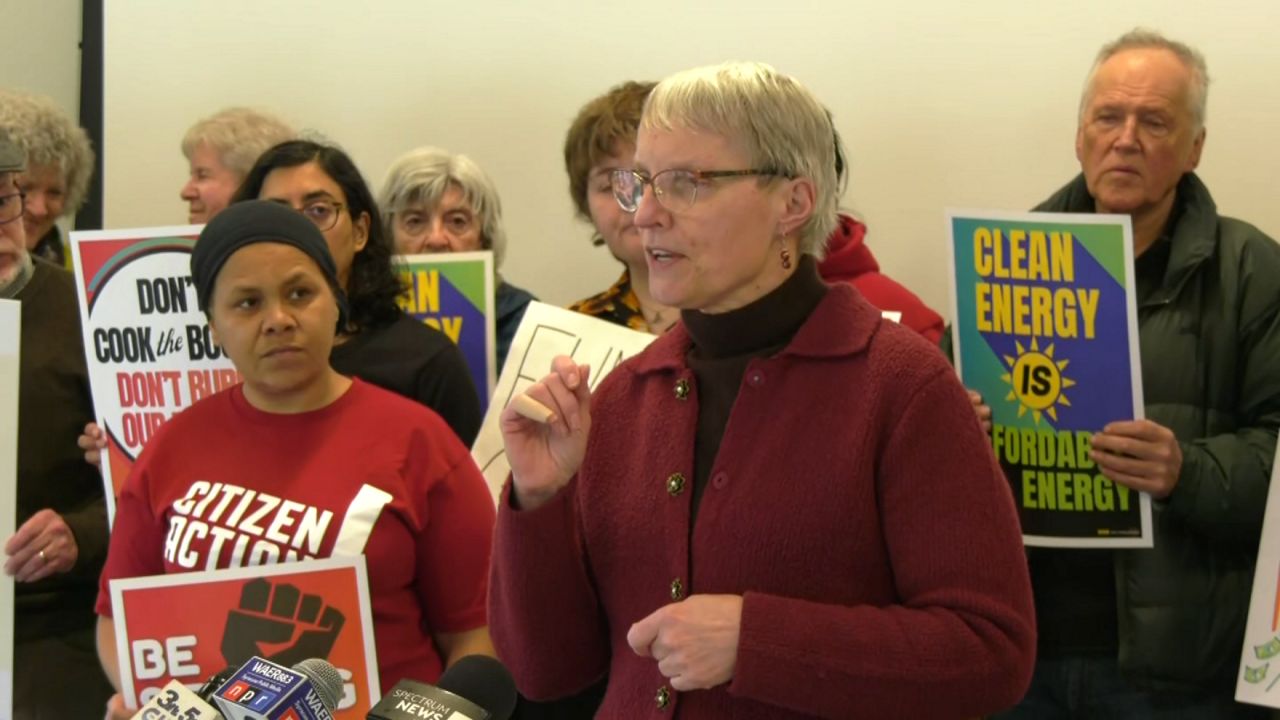
As Albany weighs the future of New York’s landmark 2019 climate law, advocates and lawmakers are signaling a preference for maintaining the status quo rather than pursuing alterations. The ongoing debate centers on how fast the state should pursue emissions reductions, how much regulation is needed for clean energy deployment, and how to balance economic growth with environmental commitments. With climate policy squarely in the legislative spotlight, this moment could crystallize New York’s approach to decarbonization for the rest of the decade.
What Just Happened
Lawmakers and interest groups have resumed discussions about the 2019 climate framework, which set aggressive timelines for emissions reductions and clean energy programs. Supporters argue that the law provides essential predictability for utilities, project developers, and consumers who are planning long-term investments in renewables, electrification, and resilience. Opponents—primarily those wary of regulatory burden or concerned about short-term costs—are signaling caution, urging careful consideration of implementation pace and cost impacts on households and businesses.
Public & Party Reactions
Within coalition circles, the call to preserve the current framework is framed as a pragmatic choice—protecting a proven policy structure while continuing to monitor performance and adjust workflows as needed. Lawmakers aligned with strong climate action emphasize the importance of sticking to existing targets to avoid backsliding and to preserve regional competitiveness as clean-energy markets mature. Outside observers note that Albany’s stance could influence investment decisions, job creation in green sectors, and the state’s political capital ahead of broader policy debates in 2026.
Policy Snapshot: What the 2019 Climate Law Entails
- Emissions targets: Ambitious mid-century goals tied to reductions in electricity, transportation, and building sectors.
- Clean energy mandates: Expanded incentives for renewable projects, grid modernization, and storage.
- Economic incentives: Tax credits, subsidies, and rate-design changes intended to accelerate decarbonization without triggering cost shocks.
- Resilience and equity: Provisions aimed at protecting vulnerable communities and ensuring reliable energy supply as the transition progresses.
Who Is Affected
- Businesses and developers: Utilities, project financiers, and contractors rely on predictable policy signals to plan investments in wind, solar, storage, and transmission.
- Consumers: Household energy bills and electricity reliability remain central concerns as regulations shape rate design and subsidy structures.
- Local governments and communities: Programs targeting resilience, building electrification, and equitable deployment of clean-energy projects.
Economic or Regulatory Impact
- Capital deployment: A committed policy framework can attract green investment, create jobs in the construction and manufacturing sectors, and spur regional economic growth.
- Ratepayer considerations: Regulations that balance incentives with affordability remain a priority to avoid disproportionate burden on households and small businesses.
- Grid modernization: The law supports infrastructure upgrades, which are essential for integrating intermittent renewables and maintaining reliability during a rapid transition.
Political Response
- From the administration and allies: Emphasis on continuity and implementation efficiency, arguing that the current law already provides a robust roadmap for decarbonization.
- From opponents: Calls to pause or recalibrate aspects of the law to address cost concerns and potential regulatory overreach, urging a more phased approach.
- Signals for 2026: The debate could set the terms for future governance decisions, including how aggressively to pursue electrification and how to adjust regulatory structures as markets and technologies evolve.
What Comes Next
- Legislative response: Expect targeted amendments or clarifications that refine implementation timelines, budget allocations, and equity initiatives without dismantling the core architecture.
- Budgetary considerations: Potential adjustments to funding for clean-energy programs, grid upgrades, and resilience projects will factor into the state’s fiscal planning.
- Regulatory evolution: Agencies may pursue efficiency gains, performance reporting requirements, and data-driven metrics to monitor progress and adjust policy levers as needed.
Context and Implications
New York’s climate policy has long been a testing ground for how government, industry, and communities can coordinate to reduce emissions while sustaining growth. The current push to keep the 2019 framework intact signals a preference for policy certainty during a period of rapid technological change and market fluctuations. For stakeholders—ranging from utilities and manufacturers to renter households and small businesses—the ongoing Albany debate will shape expectations about energy costs, job opportunities, and the pace of clean-energy adoption in the years ahead.
What to Watch
- Legislative calendar: Key committee hearings and floor votes that could finalize whether the law remains unchanged or undergoes measured revisions.
- Economic indicators: Trends in clean-energy investment, project timelines, and rate design adjustments that reflect policy certainty or volatility.
- Equity outcomes: Monitoring whether resilience and fairness provisions are effectively implemented as the transition progresses.
- National signaling: How New York’s approach aligns with or diverges from other states pursuing aggressive climate action amid a changing federal backdrop.
Bottom line
The Albany debate over the 2019 climate law centers on balance: maintaining a strong, predictable framework for decarbonization while ensuring affordability and practical implementation. As lawmakers weigh amendments or reaffirm the current structure, the policy choices made now will influence New York’s energy landscape, economic vitality, and its posture in the broader national push toward a low-carbon economy.