Strategic Overview
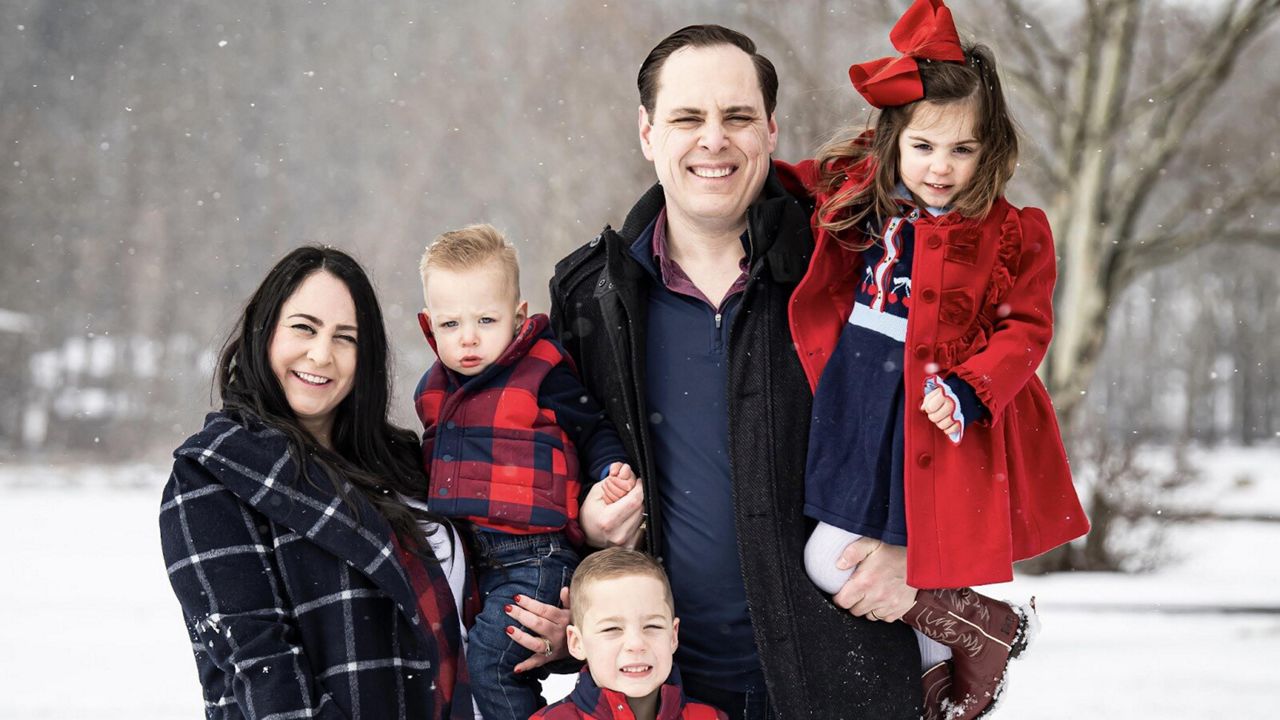
A former Department of Agriculture official has entered the Republican primary contest in New York’s 22nd Congressional District. The bid signals the party’s ongoing effort to consolidate upstate leverage ahead of the 2026 midterms, with candidates who can articulate a pro-farm, pro-small-business, and pro-regulation reform agenda aimed at revitalizing rural economies and addressing local concerns. The district’s political landscape remains competitive, demanding a candidate who can mobilize district-wide support across diverse communities.
What Just Happened
The candidate’s campaign kickoff marks a notable development in the 2026 cycle for upstate New York. As Republicans seek to capitalize on concerns ranging from agricultural policy to local regulatory burdens, this entry broadens the field and tests the party’s messaging on jobs, rural infrastructure, and cost-of-living pressures. The candidate’s background in agriculture suggests a focus on farm policy, food supply chain resilience, and pragmatic governance.
Electoral Implications for 2026
- Strategy and messaging: A candidate with agriculture policy credibility may emphasize rural prosperity, supply chain security, and regulatory clarity as core platforms. This could push the GOP to sharpen its stance on farm programs, land use, and small-business relief.
- Voter base and coalition-building: Upstate districts often weigh economic renewal, infrastructure investment, and conservative approaches to regulation. The race may hinge on turnout among farmers, veterans, small-business owners, and suburban voters who feel left behind by broader policy shifts.
- National resonance: While local, the race could become a proxy for debates on federal farming subsidies, rural broadband, and energy policy—issues with broader implications for 2026 campaigns in similar districts.
Public & Party Reactions
Initial reactions center on party veterans praising field-building and regional expertise, while opponents highlight the challenge of distinguishing candidates in a crowded field. Local business groups and agricultural associations are closely watching, given the candidate’s background. Expect debates to probe policy specifics around farming subsidies, environmental rules, and regional economic development initiatives. The extent of cross-party appeal will likely depend on the candidate’s ability to translate agricultural know-how into broader economic and governance proposals.
What This Means Moving Forward
- Policy emphasis: Expect a platform that ties agriculture policy to general economic renewal, infrastructure funding, and regulatory predictability.
- Campaign dynamics: The race could see a mix of traditional GOP outreach to rural voters and newer messages aimed at suburban swing voters who prioritize cost of living and job opportunities.
- Regulatory posture: If elected, the candidate may advocate for streamlined permitting, targeted farm subsidies, and local-control-centric approaches to land management, aligning with a broader Republican preference for reduced federal overreach.
Context and Outlook for 2026
New York’s 22nd District remains a bellwether for upstate political sentiment. With national attention on supply chains, rural investment, and agricultural policy, this candidacy could shape the narrative around how the GOP positions itself on economic resilience and governance in rural America. The race will likely feature a mix of policy specificity and campaign tactics designed to mobilize a diverse base across the district.
In Summary
The entry of a former agriculture official into the NY-22 Republican primary injects a candidate with tangible policy credentials aimed at rural economic revival. As 2026 approaches, the race will test how effectively agricultural expertise can translate into a broader platform on regulation, infrastructure, and governance that resonates beyond Upstate New York.