Strategic Overview
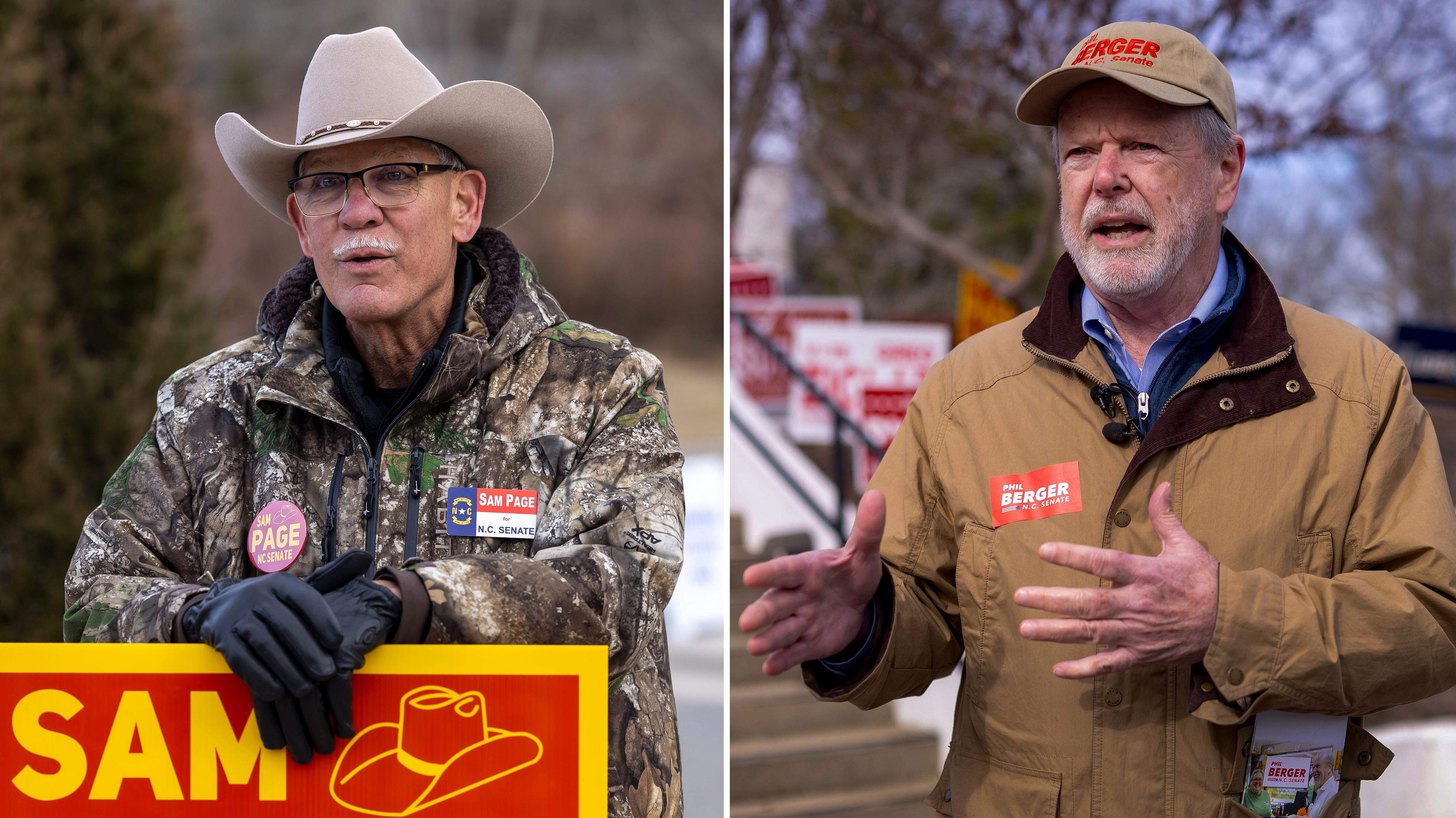
North Carolina’s Republican primary scene is drawing scrutiny as two established party figures face off in a contest that could reverberate beyond state borders. With the Rockingham and Guilford county results signaling early momentum for one candidate, strategists are parsing how this intra-party clash might map onto 2026 GOP priorities, from governance style to policy emphasis. The race is not just about personnel; it’s a test of which leadership approach best aligns with a shifting Republican base and a crowded field of national and state-level concerns.
What Just Happened
Early returns from Rockingham and Guilford counties highlight a competitive battle between two incumbents with deep local roots and track records in North Carolina’s legislative and governance ecosystems. Voters are weighing record showcases, constituent services, and the ability to translate party-wide priorities into tangible outcomes for schools, infrastructure, and public safety. As results trickle in, analysts emphasize the importance of local dynamics, county-level turnout, and the framing of hot-button issues that resonate with primary voters.
Electoral Implications for 2026
The Berger-Page matchup offers clearer signals about candidate positioning heading into the 2026 cycle. The outcome could influence the tenor of campaign messaging across the state, including how contenders address crime, inflation, education funding, and regulatory reform. A decisive result for one candidate might accelerate endorsements, fundraising, and alignment with broader GOP themes, while a narrow win could push the loser to recalibrate their stance or expand coalition-building efforts for a viable general-election strategy. In any scenario, the results will inform how party-aligned voters prioritize governance style, accountability, and responsiveness to local issues in the next phase of North Carolina politics.
Public & Party Reactions
Reaction on the ground reflects a mix of loyalty to local leadership and expectations for comprehensive policy direction. Party activists and donors will watch turnout patterns closely, discerning whether the electorate leans toward a seasoned insider with established networks or a challenger promising fresh approaches and new energy. National observers will also assess how the outcome might influence momentum and messaging across neighboring states with similar political dynamics, contributing to an early read on what GOP voters want from state leadership as national debates intensify.
What This Means Moving Forward
As results solidify, one takeaway is clear: local governance experience remains a key value proposition for Republican primary voters in this region. The race could set the tone for issues and initiatives prioritized at the statehouse in 2027, including budget priorities, regulatory reforms, and investments in infrastructure and public safety. For strategists, the path forward involves building cross-county coalitions, emphasizing concrete policy wins, and preparing for a broader discourse on how state leadership interacts with federal dynamics.
Context and Forward Look
North Carolina’s political environment continues to blend traditional conservative governance with a cautious approach to national currents. The Berger-Page contest captures this tension, as both candidates must articulate a compelling case for serving as chief stewards of a state navigating growth, demographic shifts, and fiscal constraints. In the near term, expect deeper engagement with local media, rapid-response messaging, and targeted outreach to key voter segments in Rockingham, Guilford, and beyond. The outcome will help shape not only the immediate primary landscape but also the strategic calculus for the 2026 election cycle and governing priorities in the state.