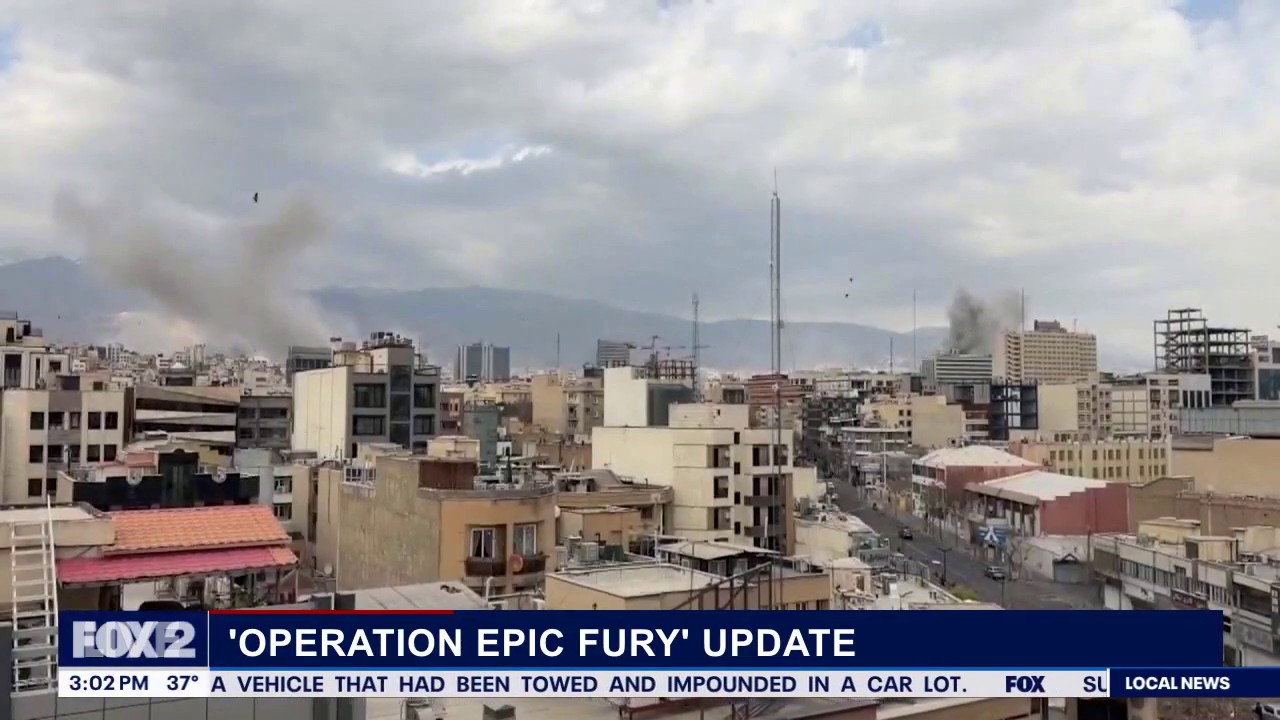
Situation Brief
The ongoing conflict involving Iran continues to shape regional stability and global security dynamics. As military engagements persist, policymakers and scholars are reassessing long-standing frictions between the United States and Iran. Experts emphasize that historical grievances, regional rivalries, and competing agendas in the Middle East compound today’s strategic choices for Washington. This analysis draws on perspectives from scholars and practitioners to map the potential political fallout in a rapidly evolving environment.
Strategic Stakes
The core strategic question centers on how the United States can deter aggression, protect allied interests, and maintain freedom of navigation and energy security in critical corridors. Iran’s regional proxies and its nuclear program remain central to risk calculations. U.S. policymakers face a delicate balance: demonstrating resolve to deter escalation while avoiding unintended confrontations that could widen conflict or destabilize allied governments in the Gulf and broader Middle East.
Impact on US Interests
- Security and defense commitments: U.S. allies in the region look to Washington for clear signaling on deterrence, red lines, and credible capabilities.
- Economic implications: Fluctuations in oil markets, sanctions policy, and energy security considerations are live concerns. Markets react to incidents that could disrupt supply chains or drive volatility.
- Diplomatic leverage: Tehran’s response to sanctions relief, multilateral negotiations, and regional diplomacy will inform the administration’s capacity to shape a durable strategic arrangement or containment approach.
Global Power Dynamics
The Iran conflict sits at a crossroads of broader U.S.-China-Russia competition. Beijing’s and Moscow’s positions influence the calculus for sanctions enforcement, regional diplomacy, and global alignments. Meanwhile, traditional allies in Europe press for calibrated responses that avoid broad economic retaliation while preserving channels for dialogue. The Northeast Asian and Indo-Pacific considerations for Washington also come into play as Asia-bound energy routes and security guarantees intertwine with Middle Eastern politics.
Forward-Looking Risks
- Escalation risk: A miscalculation on the battlefield or in cyber and space domains could draw in regional actors or trigger broader conflicts.
- Diplomatic deadlock: Stalemates in negotiations may lead to prolonged uncertainty, impacting regional stability and alliance cohesion.
- Domestic political consequences: Evolving public opinion, congressional oversight, and administration messaging around Iran policy could shape future authorization and resource allocation.
- Economic exposure: Sanctions regimes and supply chain disruptions could ripple through industries beyond energy, including technology and manufacturing sectors tied to global markets.
What This Means Moving Forward
Strategists warn that 2026 could be a watershed year for how the United States frames deterrence, diplomacy, and economic policy vis-à-vis Iran. A multi-layered approach that blends credible military signaling with targeted diplomacy and robust sanctions enforcement may be necessary to manage risk without provoking a broader regional crisis. The administration’s ability to coordinate with allies, manage congressional expectations, and sustain public support will be crucial for shaping a resilient, long-term strategy.
Public & Policy Reactions
Expect debates over the proper balance between hard power and diplomatic engagement to intensify in Congress and think tanks. Lawmakers are likely to push for clearer red lines, enhanced allied commitments, and more transparent metrics on sanctions effectiveness. In the public sphere, concerns will focus on energy security, global stability, and the human costs of prolonged conflict. Policy debates may also examine the role of economic tools—sanctions, export controls, and incentive structures—in achieving strategic objectives.
Conclusion
The Iran conflict remains a defining test of U.S. foreign policy in a multipolar world. As the administration navigates deterrence, diplomacy, and economic leverage, the potential political fallout will hinge on alliance behavior, regional diplomacy, and how effectively Washington communicates a coherent path toward stability. For observers in 2026, the central question is not only what happens next on the battlefield, but how policy choices today will constrain or enable strategic outcomes in the years ahead.