Strategic Overview (category: US Domestic Policy & Regulation)
The ongoing funding dispute that has frozen operations at the Department of Homeland Security for nearly three weeks is sharpening the lens on domestic governance and national security. With Iran tensions elevated, Republican leadership is framing the DHS funding stalemate as a direct risk to public safety and the country’s ability to respond to external threats. The rhetoric centers on a call for accountability and accountability-driven policy decisions rather than partisan maneuvering, signaling a potential pivot in how Congress approaches critical safety-net agencies during a volatile geopolitical moment.
What Just Happened
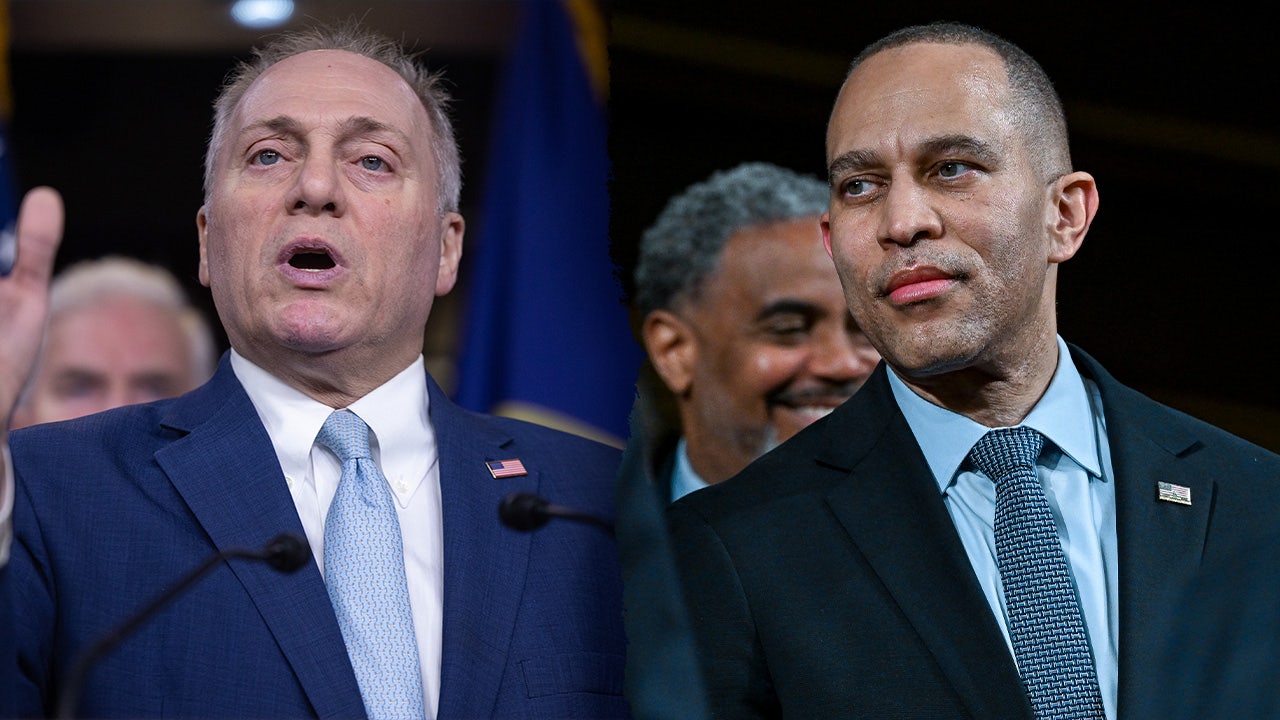
As Day 18 of the DHS shutdown rolls on, GOP Leader Steve Scalise warned that political games must end to protect the United States. The remarks—made to Fox News Digital—emphasize urgency: without functioning DHS programs, border security, disaster response, and counterterrorism operations face operational bottlenecks at a time when Iran-related tensions are elevated. The dynamic puts a spotlight on the broader struggle between a Republican-led push for policy concessions and a Democratic administration’s funding priorities, with national security as the focal point for public messaging.
Electoral Implications for 2026
The DHS shutdown intersects with a broader 2026 political landscape where voters are attuned to stability, security, and efficient governance. Republican messaging that ties funding paralysis to national security performance aims to galvanize a base concerned about safety and competence in crisis response. Conversely, Democrats risk portraying the stalemate as a stubborn partisan obstacle to essential services. How this narrative translates into voter behavior depends on visible consequences—delayed border processing, disaster relief gaps, and the timeliness of terrorism prevention measures—and on the ability of both parties to offer credible, concrete alternatives.
Public & Party Reactions
Republicans frame the crisis as proof that political brinkmanship harms Americans’ daily safety and economic resilience. They highlight reduced DHS capacity to deter threats, process visas, or respond to emergencies if funding remains incomplete. Democrats counter by arguing that funding decisions must align with comprehensive policy reforms and oversight—insisting that a short-term funding fix cannot be a substitute for longer-term security strategies. Outside observers and pundits are dissecting whether the rhetoric translates into durable policy agreements or remains a bargaining chip in broader fiscal negotiations.
What This Means Moving Forward
Two threads shape the path ahead. First, there is a clear push from GOP lawmakers to use the DHS funding deadline as leverage for targeted policy concessions—ranging from border security strategies to immigration reforms. Second, the administration and Democratic allies are likely to seek a stable funding framework that avoids repeating the pattern of crisis-driven budgets, potentially coupling temporary relief with broader reforms and oversight mechanisms. The lingering risk is a prolonged stalemate that erodes operational readiness and undermines public confidence in government response capabilities during heightened geopolitical risk.
Policy Snapshot
The core dispute centers on how DHS resources are allocated and overseen, including border security, counterterrorism, and disaster response. The current political calculus emphasizes ensuring continuous operations while pressuring for policy concessions tied to security and immigration issues. As the timeline lengthens, expect lawmakers to propose new funding packages that come with defined governance reforms and oversight provisions designed to placate public concerns about safety and accountability.
Who Is Affected
Federal employees at DHS agencies, border communities, disaster-prone regions, and industry partners relying on DHS services stand at the front lines of any funding gaps. Localities awaiting federal support for emergency preparedness and relief could face slower deployment of resources. The broader American public bears the indirect impact through potential delays in visa processing, border screening, and risk mitigation activities linked to national security.
Economic or Regulatory Impact
Operational freezes at DHS threaten short-term economic and regulatory disruptions, including impedeance of cross-border trade, travel processing, and disaster response procurement. In the near term, markets and businesses that depend on predictable regulatory timelines could experience volatility as lawmakers negotiate funding—yet a timely resolution could restore predictability and reassure markets about the government’s capability to safeguard trade and security.
Political Response
House Republicans are elevating the debate to a national-security frame, arguing that the crisis is a failure of governance that compromises safety. Democrats are pushing for a governance-backed approach that pairs funding with reforms and robust oversight to prevent repeating the cycle of crises. The administration will likely seek to present a balanced package that preserves essential operations while advancing policy improvements.
What Comes Next
Expect continued negotiations around a funding bill that includes both immediate DHS funding and longer-term policy conditions. Key hurdles will include border security proposals, immigration policy changes, and oversight mechanisms to ensure efficiency and accountability. The public should watch for concrete timelines on reopenings, service restoration milestones, and any defined metrics that signal improved DHS performance post-resolution.
Context
This development occurs against a backdrop of rising regional and global tensions, notably Iran. The administration and Congress are balancing urgent domestic governance needs with a broader strategic imperative to maintain readiness and credibility in international security matters. How lawmakers link funding outcomes to national security objectives will help shape the political narrative as the 2026 cycle advances.
Immediate Reactions
Initial commentary centers on accountability, governance efficacy, and the imperative to restore DHS operations. Press coverage and expert analyses are likely to scrutinize the feasibility of proposed policy concessions given competing budgetary pressures and the broader policy agenda driving the 2026 elections. Public sentiment will hinge on perceived safety and the speed with which a resolution can restore DHS functions.