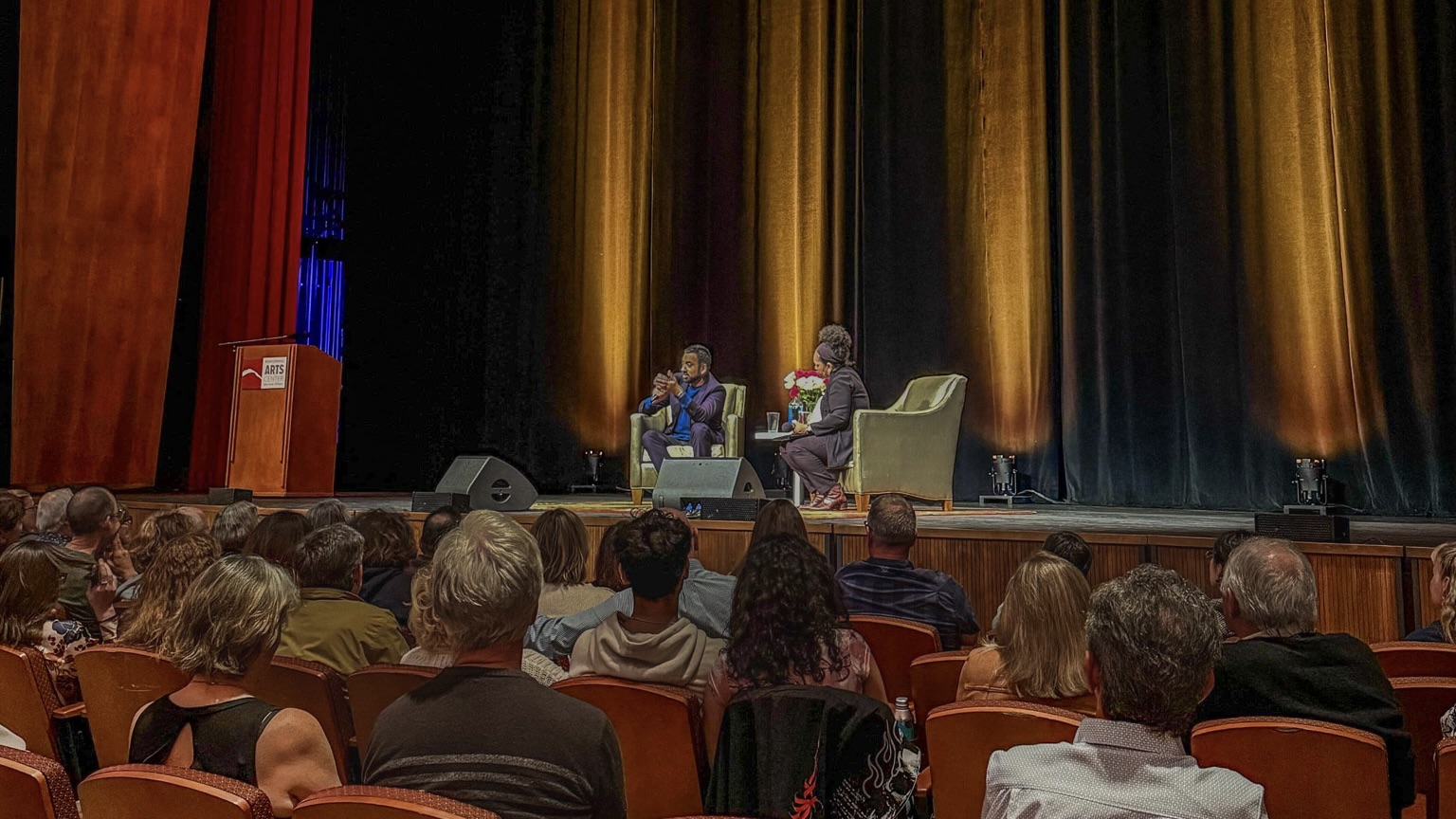
The persona of Kal Penn—actor, public servant, and commentator on civic life—offers a useful lens for understanding how to navigate a deeply polarized political climate in 2026. Penn’s core message centers on a simple, yet powerful idea: balance. By weaving together the craft of storytelling with the seriousness of public policy, Penn argues that joy, empathy, and clear communication can deflate hostility and broaden engagement across divergent audiences.
Strategic Overview
In an era when politics often feels binary and transactional, Penn’s approach emphasizes sustained engagement over dramatic confrontation. He frames public life as a journey that benefits from humor, listening, and deliberate choice—values that can make political messages more accessible without diluting important policy stakes. For observers and aspiring policymakers alike, this stance offers a blueprint for communicating complex issues in a way that resonates with everyday voters.
What Just Happened
Penn has publicly reflected on balancing high-profile entertainment work with public service commitments. He underscores that career flexibility—moving between media, advocacy, and civic initiatives—can expand a political toolkit. The core takeaway is not a retreat from controversy, but a disciplined strategy to maintain authenticity while addressing tough topics. In short, he champions a form of leadership that is both joyful and humane, even as it confronts partisan friction.
Electoral Implications for 2026
As campaigns intensify across the United States, Penn’s framework suggests that success may hinge on how well candidates can humanize policy conversations. Voters increasingly respond to messages that blend practical impact with relatable storytelling. The implication for 2026 is clear: campaigns that prioritize audience-minded framing, concrete policy relevance, and constructive dialogue stand a better chance of expanding the electorate beyond traditional bases. This approach may influence debates on topics from education and immigration to economic recovery and cultural issues.
Public & Party Reactions
A cross-section of voters, commentators, and party strategists have reacted to the broader idea of balancing accountability with approachability. Advocates of civility, bipartisanship, and public-facing authenticity praise Penn’s emphasis on joy as a tool for reducing polarization. Critics caution that style must be matched with substance, warning against messaging that sacrifices policy clarity for entertainment. The eventual consequence for party dynamics could be a shift toward more audience-centric messaging that prioritizes trust-building alongside policy detail.
What This Means Moving Forward
If the political discourse continues to fragment into echo chambers, the Kal Penn philosophy offers a pragmatic path: blend credible policy discussion with accessible storytelling. For lawmakers, this means developing clearer narratives around policy objectives—costs, benefits, timelines—while maintaining a tone that invites diverse perspectives. For voters, it signals a potential pivot toward campaigns that value empathy, transparency, and accountability as much as competitiveness. In practice, expect more candidates to invest in public appearances, community-building events, and media collaborations designed to translate complex policy into relatable, actionable takeaways.
Conclusion
Kal Penn’s advocacy for balance in a polarized era highlights a broader strategic question for 2026: can political life become more humane without sacrificing rigor? The evidence from his public commentary suggests yes—when leaders couple policy clarity with authentic engagement, they can broaden participation, reduce hostility, and foster more durable governance. As the campaign season unfolds, this balance may prove to be not just a personal philosophy, but a practical blueprint for effective leadership in a divided nation.