Strategic Overview
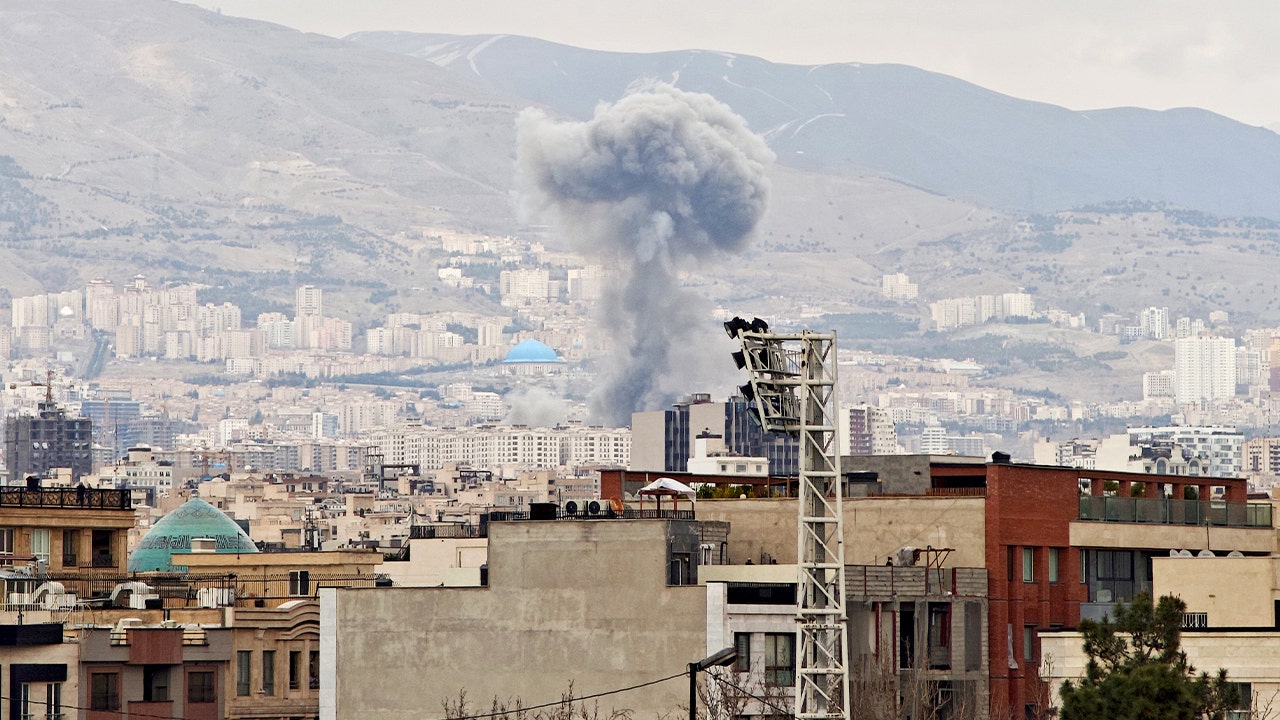
A weekend poll reveals a pronounced partisan split over Operation Epic Fury, the U.S.-Israel military strike targeting Iran. While supporters frame the action as a decisive move to curb regional threats, critics warn of elevated risk, escalating conflict, and potential economic and diplomatic repercussions. As political campaigns gear up for 2026, the poll highlights how foreign policy decisions are increasingly shaping voter alignment and party messaging.
What Just Happened
President Donald Trump authorized a joint U.S.-Israeli operation described by proponents as a bold strike against Iran’s nuclear and regional capabilities. Details on execution remain limited, but the event has become a flashpoint in domestic politics. The public response is not monolithic: partisan outlets and political leaders are offering sharply contrasting narratives about success, risk, and long-term consequences for American security and economic interests.
Electoral Implications for 2026
- Voter polarization: The operation is becoming a litmus test for strong national security credentials versus cautious, risk-aware governance.
- Campaign messaging: Parties are tailoring lines on deterrence, alliance commitments, and peacekeeping versus escalation. The issue is likely to influence swing voters who prioritize national security but worry about economic stability and diplomatic fallout.
- Electoral risk for incumbents and challengers: Candidates perceived as either too hawkish or too risk-averse may face scrutiny from factions within their coalitions, forcing clearer stance definitions on Iran, the Middle East burden-sharing, and the role of American leadership.
Public & Party Reactions
- Supportive voices emphasize deterrence, credibility, and alliance solidarity with Israel as central to U.S. security.
- Opposing voices caution against miscalculation, potential blowback, and destabilization that could affect global markets and energy prices.
- Within parties, debates center on authorization timelines, need for congressional oversight, and the appropriate balance between executive power and legislative checks.
What This Means Moving Forward
- Policy leverage: Foreign policy decisions of this nature increasingly drive campaign narratives, fundraising, and endorsements as the 2026 cycle unfolds.
- Alliances and credibility: The strike tests long-standing alliances and the U.S. commitment to deterrence in the region, potentially reshaping future diplomatic leverage and coalition-building.
- Economic and regulatory considerations: Market reactions to heightened geopolitical risk, sanctions policy, and investment flows could influence congressional focus on energy independence, supply chains, and strategic reserves.
Context and Trends
- The poll underscores a broader trend: foreign policy actions are now central to domestic political calculus, with voters demanding clear accountability and measurable security benefits.
- Partisan divides in assessing risk versus reward indicate a potential for prolonged policy battles over sanctions regimes, nuclear nonproliferation strategies, and regional stabilization efforts.
Forward-Looking Risks
- Escalation or de-escalation: The trajectory of any follow-on actions will shape whether the country moves toward sustained regional engagement or a recalibration of risk tolerance.
- Domestic governance challenges: As the administration and Congress scrutinize post-strike options, there will be increased attention to oversight, budget allocations for defense, and regulatory responses to geopolitical volatility.
- Global ramifications: U.S.-Israel actions in the Middle East carry implications for global power dynamics, energy markets, and diplomatic alignments with Europe, Asia, and the broader Middle East.
In sum, the Iran strike has become a defining test of 2026 political strategy. How parties frame accountability, risk, and the promised security payoffs will influence voter sentiment, fundraising, and policy direction in the months ahead. As the administration navigates the consequences, the public’s divided perception signals a tough road to consensus on foreign policy amid a charged domestic political climate.