Overview
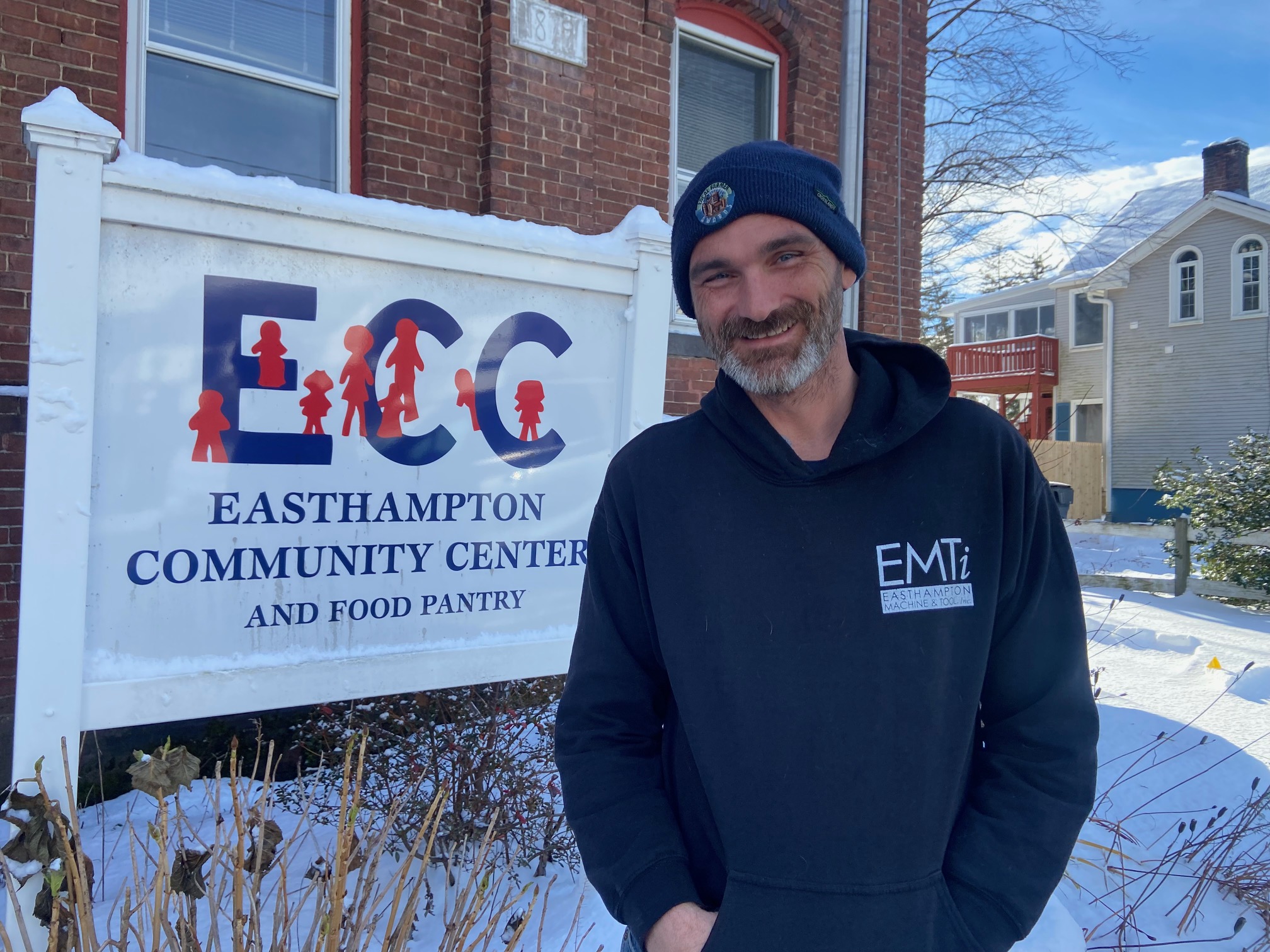
In Easthampton, Massachusetts, a local poultry farmer’s bid for public office became a catalyst for deeper civic involvement. After a campaign defeat, Karl Prahl chose to channel his energy into community service, a path that highlights how individual voters and small-business owners can reorient toward governance beyond elections. This profile, part of a broader NEPM series on newcomers entering politics, examines the practical realities that accompany a shift from candidate to community leader and the broader implications for local governance trends.
What Happened
Karl Prahl, a longtime easthampton farmer, stepped onto the campaign trail to represent his district, drawing on his experience as a small-business owner and his commitment to local agriculture. Though the bid did not succeed, Prahl reframed the outcome as a stepping-stone rather than a setback. He redirected his focus toward service—from organizing community forums to volunteering with local boards and committees. The narrative emphasizes a common but often underappreciated pathway: that electoral defeat can seed ongoing public involvement and influence.
Why This Matters for Local Governance
- Civic participation as governance leverage: Prahl’s transition illustrates how everyday citizens can contribute to policy discussions and community improvements even when not holding elected office. His move into volunteer leadership demonstrates how local governance thrives on broad participation, especially from residents with practical business experience.
- Voices at the table for small-business concerns: Farmers, small-business owners, and rural-urban connectors bring tangible, ground-level perspectives to municipal decisions. Prahl’s experience suggests that local councils and planning bodies benefit from economic and agricultural insights when addressing issues like land use, permitting, and community resilience.
- A roadmap for prospective newcomers: For residents contemplating a shift into public life, Prahl’s journey underscores the importance of building networks, starting with community service, and leveraging local credibility to inform policy debates and governance initiatives.
Impact on Policy and Community Life
The personal narrative mirrors broader dynamics in many towns where governance is increasingly collaborative and community-driven. The emphasis on service over syllables—rather than campaign rhetoric—can influence how local offices recruit candidates, engage with voters, and structure outreach. In practical terms, Prahl’s path can inform strategies to:
- Expand resident participation in advisory boards and committees.
- Strengthen agriculture-friendly zoning, environmental stewardship, and shared-resource planning.
- Foster cross-sector collaboration between farmers, educators, and municipal planners to address housing, infrastructure, and economic development.
Public and Political Reactions
Observers note that the “loss-as-leverage” mindset resonates in many small towns where turnout and enthusiasm for public service hinge on tangible community benefits. Prahl’s emphasis on service likely to attract supporters who value practical governance over partisan campaigning, potentially encouraging others with similar backgrounds to pursue civic roles. Local officials may also see opportunities to formalize pathways for non-elected residents to contribute meaningfully to policy discussions, thereby broadening representation and improving policy relevance to everyday needs.
What Comes Next
The Easthampton example points to a broader pattern: more candidates may choose to stay engaged after elections, contributing through service opportunities, mentorship, and issue-focused advocacy. Municipalities could respond by expanding open forums, creating clearer channels for citizen input, and offering structured avenues for business owners and farmers to participate in planning and policy conversations. Such steps can deepen legitimacy, reflect diverse experiences, and produce governance that is better attuned to local realities.
Bottom Line
Karl Prahl’s post-election pivot from candidate to community servant embodies a practical, participatory model of local leadership. His story underscores that meaningful governance in 2026 may rely as much on ongoing civic involvement as on electoral outcomes. For readers and policymakers alike, the takeaway is clear: engagement beyond campaigns strengthens accountability, informs policy with lived experience, and helps communities navigate growth and change with pragmatic perspectives.