Overview
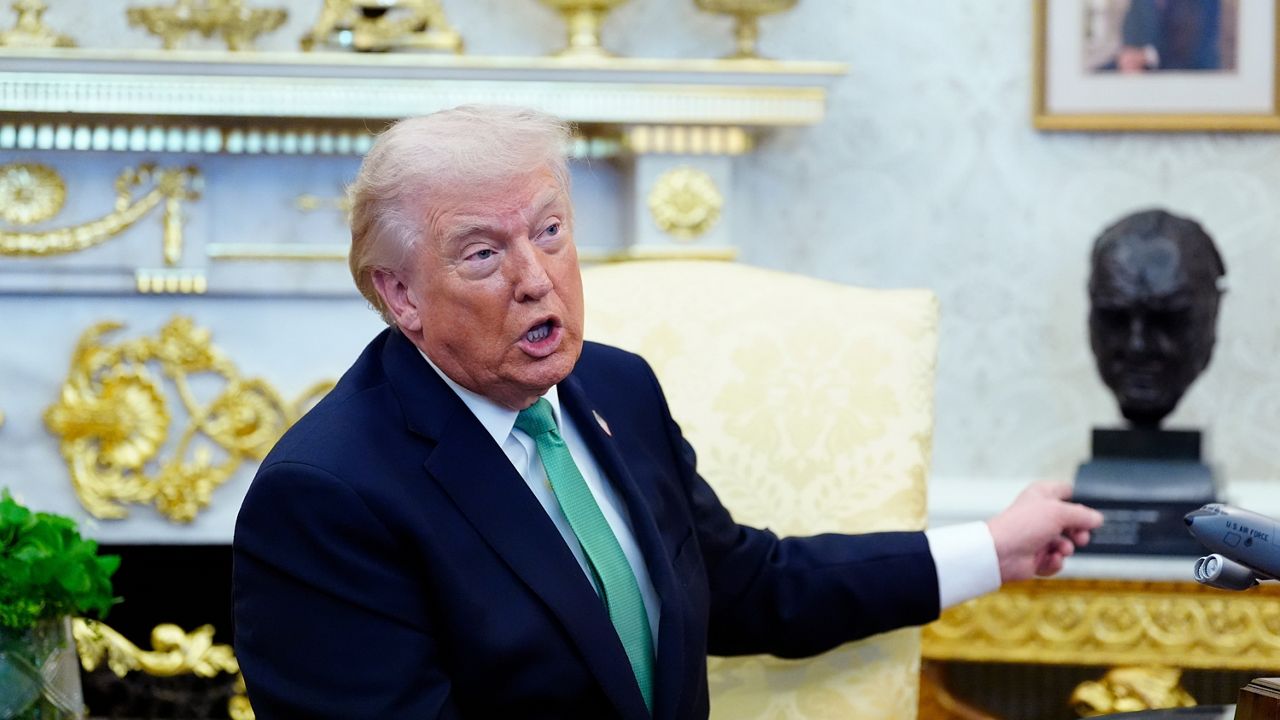
In a high-stakes moment for U.S. foreign policy, President Donald Trump hosted an international ally for a longstanding annual tradition that underscores a broader strategic posture on geopolitical risk, nuclear nonproliferation, and peacemaking. The conversation with the visiting Irish leader highlighted a convergent stance: Iran cannot be allowed to obtain a nuclear weapon, paired with a call for movement toward peace. The exchange placed nuclear deterrence, diplomatic engagement, and alliance-building at the center of conversations shaping U.S. policy direction in 2026.
What Just Happened
The meeting served as a visible calibration of U.S. foreign policy signals at a time when Iran’s nuclear ambitions remain a dominant international concern. Both leaders articulated a firm line against a nuclear-armed Iran, while also acknowledging the need for practical steps that could reduce regional tensions and advance a negotiated settlement. The emphasis on deterrence combined with diplomacy signals a dual-track approach: maintain strict nonproliferation standards and pursue constructive engagement channels that could avert escalation.
Public & Party Reactions
Within political circles, the exchange is likely to be interpreted through the lens of strategy and messaging. Proponents may view the posture as clarifying U.S. red lines on Iran while presenting a willingness to pursue diplomacy if verifiable progress is offered. Critics could push back, arguing that the emphasis on peace negotiations might slow down strategic pressure or complicate alliance cohesion with partners demanding tougher sanctions or more aggressive containment. The dynamic demonstrates how foreign policy narratives are becoming increasingly central to political storytelling and electoral positioning in 2026.
Policy Context and Strategic Stakes
- Nuclear nonproliferation: The insistence on preventing Iran from obtaining a nuclear weapon reinforces a long-standing U.S. objective shared by allies and detractors alike. The challenge lies in balancing credible deterrence with verifiable diplomacy, ensuring any agreement includes robust verification mechanisms and clear consequences for violations.
- Diplomatic engagement: The stated openness to movement toward peace reflects a preference for diplomacy as a tool to de-escalate crisis points, manage risk, and potentially shape a more stable security environment in the Middle East and beyond.
- Alliance and legitimacy: Publicly aligning with international partners on a tough issue like Iran signals a commitment to maintain a broad coalition approach. It also positions the U.S. to frame negotiations as a multi-lateral effort rather than a unilateral brinkmanship tactic.
What Comes Next
- Negotiation framework: Expect renewed discussions with international partners and regional stakeholders on verification protocols, sanctions calibration, and confidence-building measures.
- Contingency planning: Officials are likely to outline red lines and escalation ladders to address potential violations, balancing deterrence with diplomatic channels.
- Domestic politics angle: Foreign policy messaging will likely be tested in the broader political arena, shaping debates around national security, defense spending, and how and when to engage in diplomacy versus pressure.
Impact on U.S. Interests
- Security architecture: A coherent strategy that pairs deterrence with credible diplomacy could reduce the risk of miscalculation in a volatile region.
- Economic implications: Sanctions regimes and potential relief frameworks will influence energy markets, global trade, and investment dynamics, with ripple effects for U.S. and allied economies.
- Global credibility: Demonstrating sustained, principled engagement on nonproliferation can bolster U.S. leadership on international norms and raise the cost of noncompliance for adversaries.
Forward-Looking Risks
- Verification gaps: Any agreement must close loopholes that could undermine nonproliferation objectives or enable covert enrichment activities.
- Regional instability: Progress depends on broader regional dynamics, including relationships with key allies and rivals, such as Israel, Saudi Arabia, and regional non-state actors.
- Domestic constraints: Political divisions at home over foreign policy timing, cost, and risk tolerance could influence the durability of any new framework and its implementation.
Conclusion
The hybrid approach of enforcing a strict nonproliferation posture while signaling openness to negotiated peace reflects a refined balance in 2026 U.S. foreign policy. By integrating clear red lines with practical diplomacy, the administration aims to reduce the probability of conflict while preserving strategic options. The coming months will reveal whether this dual-track strategy translates into verifiable gains on security, stability, and international cooperation, while navigating the competing pressures of domestic politics and global power shifts.