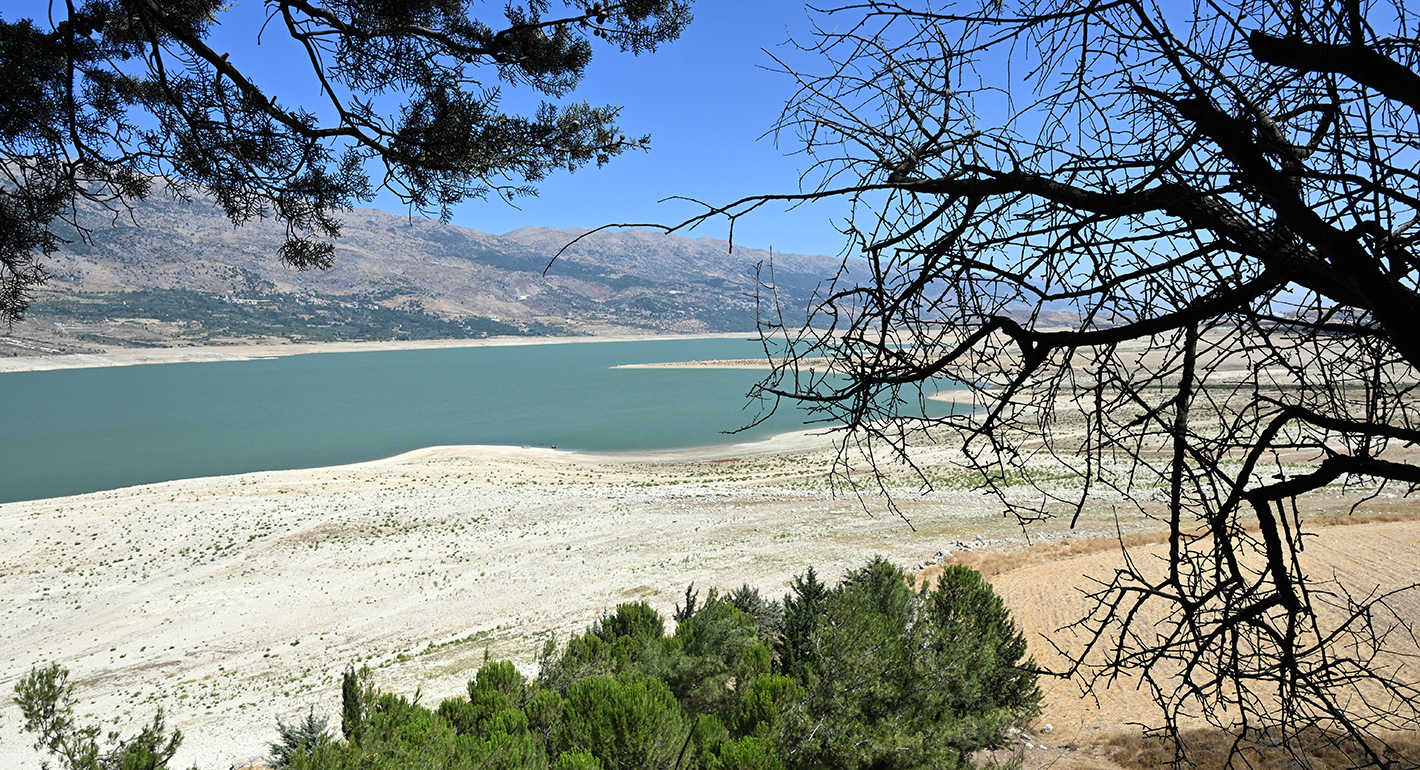
Lebanon stands at a perilous intersection: a deepening financial meltdown, steady political volatility, and accelerating climate pressures that threaten everyday survival for millions. This triad is not merely a domestic quagmire; it has broad implications for regional stability, regional power dynamics, and U.S. interests in the Middle East. Here’s what’s happening, why it matters, and what could come next.
Situation overview: a country beleaguered from several angles
Lebanon’s economy has endured a severe downturn marked by currency depreciation, inflation, and shrinking access to basic services. Financial stress compounds governance challenges, eroding public trust in institutions and complicating the government’s ability to respond to crises. At the same time, climate change is intensifying risk exposure—floods, drought, and heat stress threaten agriculture, water resources, and urban resilience. Taken together, these pressures create a volatile mix that raises the probability of social strain, policy deadlock, and potential demonstrations or unrest.
Why this matters beyond Lebanon’s borders
- Regional stability: Lebanon serves as a gateway to the Levant and a hub for transit routes, trade, and diaspora networks. Instability can spill over to neighboring countries already contending with refugee flows, economic distress, and security concerns.
- Geopolitical competition: The country’s political landscape often becomes a stage for broader regional rivalries involving key powers that seek influence through economic aid, security assurances, and political leverage. Climate and economic distress can heighten fragility, creating openings for external actors to shape outcomes.
- U.S. interests: Washington tracks Lebanon’s governance quality, stability of energy and humanitarian flows, and the ability of the government to manage crises transparently and effectively. A resilient Lebanon—economically functioning, institutionally capable, and climate-adaptive—supports regional security, humanitarian imperatives, and broader U.S. partnerships in the Middle East.
Policy and governance dynamics driving the crisis
- Fiscal inertia and reforms: Lebanon’s fiscal policy continues to face structural headwinds: public debt load, fragile public services, and governance gaps. International partners, including multilateral lenders and donor countries, have urged reform packages that address debt sustainability, subsidies, and revenue mobilization. Progress is contingent on political consensus and credible policy implementation.
- Political fragmentation: A pluralistic, sectarian political system complicates decision-making. Coalition talks, cabinet formation, and policy appointments often stall over power-sharing arrangements, impeding timely crisis-response measures such as targeted relief, subsidy reform, and resilience investments.
- Climate risk management: Climate adaptation has lagged behind the scale of risk. Urban planning, water management, and agricultural support require cross-sector coordination. Without coherent climate policy, Lebanon will confront increasing costs from weather shocks, infrastructure stress, and health risks linked to heat and air quality.
Implications for livelihoods and social resilience
- Public services under stress: Electricity shortages, currency volatility, and inflated import costs ripple through households and businesses, reducing purchasing power and widening inequality.
- Social cohesion risks: Economic strain, combined with governance fatigue, can heighten tensions, particularly in vulnerable communities. Effective social protection measures, transparent distribution of aid, and credible anti-corruption steps are essential to prevent escalation.
- Humanitarian considerations: Lebanon’s capacity to deliver aid, maintain essential services, and protect vulnerable populations remains critical for regional humanitarian relief efforts. Aid effectiveness hinges on governance reforms and institutional credibility.
What comes next: scenarios and strategic considerations
- Optimistic scenario: Sustained reform momentum, credible macroeconomic stabilization, and targeted climate adaptation investments. If political actors can agree on a reform path with lender support, Lebanon could restore basic service delivery, reduce inflationary pressures, and build climate resilience—improving regional confidence and opening doors for investment and partnership.
- Pessimistic scenario: Policy stalemate deepens, external shocks intensify, and public confidence erodes further. A more fragile Lebanon could face escalating unrest, greater reliance on external security guarantees, and increased risk of spillover effects in the region.
- Climate-first strategy as a bridge: Prioritizing climate resilience—water security, energy transition, and urban resilience—could serve as a unifying policy focus to rally diverse actors around tangible gains, while also hardening the country against climate shocks.
Key players to watch
- Lebanese authorities and political bloc leaders: Their ability to negotiate and implement reforms will determine the pace of stabilization and the depth of social protections.
- International partners and donors: The cadence of aid, loan programs, and technical support will influence policy choices and reform credibility.
- Regional powers and external actors: Their leverage and engagement strategies will shape the policy environment and security dynamics, with potential impacts on Lebanon’s autonomy and policy options.
Bottom line for 2026
Lebanon’s trio of challenges—economic collapse, political volatility, and climate risk—creates a high-stakes environment for governance and regional stability. For U.S. policymakers and international partners, the focus should be on supporting credible reform paths, ensuring transparent aid delivery, and backing climate-resilient development that can bolster social cohesion. A proactive, well-coordinated approach could help avert deeper instability and lay the groundwork for a more resilient Lebanon that serves as a stabilizing force in a turbulent region.