Overview
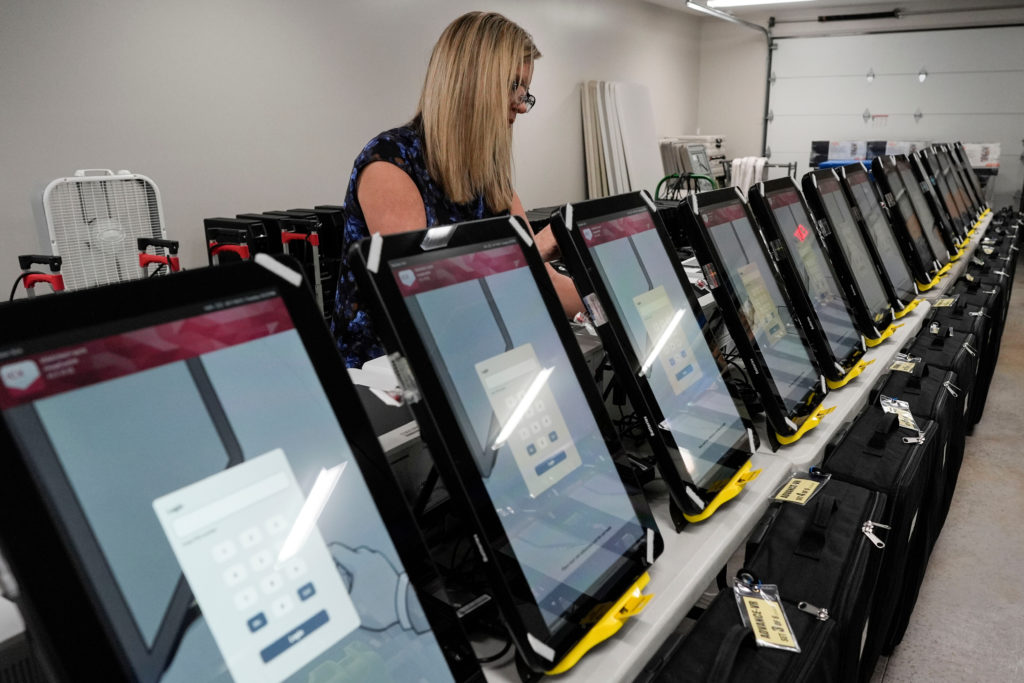
Georgia’s effort to retire and replace its voting machines has become a focal point in 2026 election governance debates. Proponents argue the shift could modernize casting and counting votes, enhance security, and streamline administration. Critics warn that a rushed transition could sow confusion at the polls, strained logistics, and partisan misgivings about the reliability of new systems. As stakeholders weigh timelines, funding, and technical readiness, the turn toward updated election technology is simultaneously framed as a routine modernization and a politically charged showdown over voting access and trust.
What Just Happened
Across Georgia, policymakers, county election officials, and security experts are negotiating a roadmap for transitioning away from older hardware and software toward more secure, auditable systems. The proposed changes are designed to address vulnerabilities, improve ballot integrity, and align with modern compliance standards. But the plan’s timeline has sparked debate: will counties have sufficient time for procurement, testing, certification, and staff training before the next election cycle? Critics fear a last-minute scramble could lead to confusion at polling places, longer lines, and inconsistent experiences across counties. Supporters insist that a deliberate, well-communicated rollout is essential to prevent security gaps and ensure public confidence in the process. The result is a potential standoff between urgency to upgrade and caution to maintain stable voting access.
Public & Party Reactions
Reaction within the political landscape is mixed and highly factional. Lawmakers emphasizing security and reliability tend to favor rapid but methodical adoption, highlighting federal and state standards for voting systems. Opponents—often aligned with groups skeptical of rapid changes to election procedures—call for extended pilot programs, clearer guidance on vendor selection, and more robust contingency plans. Local elections officials express concerns about procurement timelines, vendor performance, and the logistical burden on counties with varying capacities. The broader public response centers on trust: will voters experience a seamless transition, or will disparities in implementation undermine confidence in the results? Platform debates increasingly frame the issue as a test of governance competence and commitment to transparent, accessible elections.
Policy Snapshot
- Objective: retire outdated voting machines and deploy updated, secure election technology that offers auditable results, improved accessibility, and stronger cybersecurity.
- Scope: evaluate state and county hardware, software, and poll-site processes; update certification and testing regimes; align with security standards and auditable paper trails where applicable.
- Timeline considerations: balancing urgency with thorough testing, training, and contingency planning; potential phased rollout to minimize disruption.
- Funding and procurement: navigating budget approvals, vendor competition, interoperability, and maintenance costs.
Who Is Affected
- Voters: potential changes to ballot format, accessibility options, and in-person voting experiences.
- Election workers: training needs, new equipment handling, and updated incident-response procedures.
- County governments: logistical planning, cost-sharing, and interoperability challenges across jurisdictions.
- Vendors and security researchers: increased demand for compliant systems, third-party testing, and ongoing security audits.
- Political actors: messaging around security, access, and trust will shape public perception and turnout strategy.
Economic or Regulatory Impact
- Costs: upfront procurement, installation, and ongoing maintenance for new machines; potential cost-shares between state and counties.
- Regulation: heightened compliance with cybersecurity standards, chain-of-custody for ballots, and auditing requirements.
- Economic signaling: a successful transition could position Georgia as a benchmark state for modernized election tech; delays or missteps could fuel partisan critiques about waste or mismanagement.
Political Response
- Proponents frame the move as essential to safeguarding elections, reducing error rates, and enabling rapid, verifiable results.
- Critics warn about the political and operational risks of a rushed rollout, emphasizing the importance of continuity for voters and staff and avoiding a patchwork across counties.
- The debate also touches on broader themes: election sovereignty, state vs. local control, and the influence of national discourse on state-level election reform.
What Comes Next
- Next steps likely include finalizing procurement criteria, setting clear testing and certification milestones, and establishing robust voter education campaigns.
- Contingencies will be critical: clear fallback plans if certain counties encounter delays, and transparent reporting on progress and challenges.
- A phased rollout may emerge as a compromise—prioritizing high-risk counties or pilot programs before statewide adoption, to build trust and reduce disruption.
Conclusion
Georgia’s election technology transition sits at a strategic crossroads. The decision to modernize carries the promise of stronger security and reliability but risks significant disruption if not managed with precision and clear communication. As 2026 unfolds, the state’s ability to balance speed with stability will shape not only its own election administration but potentially influence broader national conversations about how to modernize democracy in a rapidly changing technological landscape.