Overview
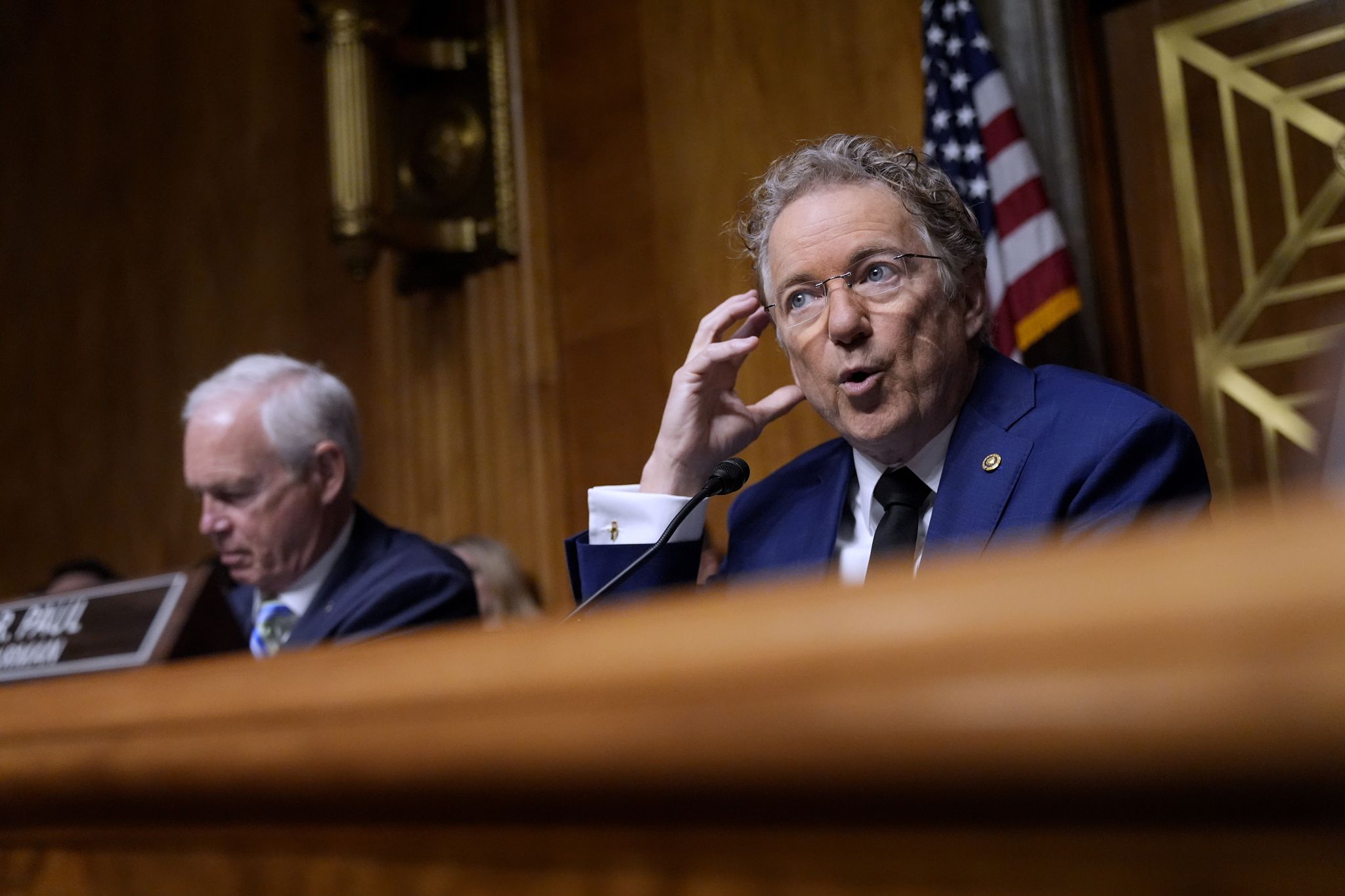
A simmering intra-party clash over the nomination to lead the Department of Homeland Security has escalated into a broader signal of evolving Republican strategy in 2026. Senator Rand Paul has been vocal in expressing strong dissatisfaction with President Trump’s pick, Senator Markwayne Mullin, highlighting a fault line within the party that could influence how DHS priorities are set, how regulatory oversight will be pursued, and how political bargaining will unfold on key homeland security questions.
What Just Happened
The confrontation centers on Mullin’s suitability for DHS leadership, with Senator Paul publicly challenging Mullin’s stance, qualifications, and alignment with broader GOP objectives. The exchange has evolved from a routine confirmation process into a strategic battleground over security policy, oversight, and the balance between executive priorities and legislative scrutiny. The dispute reflects the ongoing friction within the GOP between different factions on governance style, regulatory approach, and responses to evolving threats.
Public & Party Reactions
Within the party, senior figures are parsing the implications of Mullin’s confirmation fight. Supporters argue that the nomination represents a pragmatic choice rooted in governance experience and a readiness to navigate federal agencies during a complex threat landscape. Critics, including Paul, frame the process as a test of loyalty, competence, and the willingness to push for reforms or stricter oversight. The clash has also triggered questions about how much energy lawmakers will devote to DHS confirmations versus broader strategic priorities in 2026, such as border management, cybersecurity resilience, and counterterrorism coordination.
Policy & Governance Implications
- Leadership style and regulatory posture: The debate hints at a broader choice for DHS leadership—whether to emphasize aggressive regulatory oversight, partner-driven resilience, or a measured, incremental reform approach. How Mullin positions DHS on border policy, critical infrastructure protection, and information-sharing with state and local authorities could set the tone for the agency’s agenda.
- Oversight vs. autonomy: The Paul critique underscores a push-pull between congressional oversight and executive autonomy. The outcome could influence how DHS implements top-line priorities, allocates funding, and pursues policy experiments or agency reforms.
- Partisan signaling: The fight is as much about messaging as policy. The party’s stance on immigration, national security financing, and domestic resilience will be read through this nomination drama, potentially informing 2026 campaign narratives and congressional strategy.
What Comes Next
- Confirmation hearing dynamics: Expect pointed questions on Mullin’s security philosophy, management experience, and ability to navigate interagency coordination during crises. The hearing could reveal fault lines within the GOP on how aggressively to pursue regulatory reforms within DHS.
- Committee votes and maneuvering: If the nomination advances, expect strategic amendments or floor maneuvers that test party unity. If stalled, the caucus may recalibrate negotiating demands or seek alternative nominees aligned with faction priorities.
- Impact on DHS policy posture: Depending on the outcome, DHS policy directions on border management, cybersecurity, and critical infrastructure resilience could shift to reflect the prevailing GOP instinct—whether to prioritize aggressive enforcement, technical modernization, or a more bipartisan governance approach.
Context for 2026 Governance
This development sits at the intersection of leadership selection and policy direction for a central federal agency responsible for national security, immigration enforcement, disaster response, and critical infrastructure protection. As the GOP negotiates internal cohesion ahead of major enforcement and regulatory debates, the Mullin nomination fight serves as a litmus test for how the party intends to shape homeland security governance in a politically charged environment. Stakeholders—local and state agencies, private sector partners in critical infrastructure, and advocacy groups focused on civil liberties and public safety—will be watching closely for signals about DHS leadership style, resource allocation, and accountability mechanisms.
What to Watch
- The tone and content of Mullin’s confirmation hearings, particularly on cross-agency collaboration and crisis management.
- The degree of intra-party support or opposition, and what it reveals about upcoming governance priorities.
- How DHS articulates its plan to address evolving threats while maintaining civil liberties and public trust within a potentially polarized landscape.
In sum, the Mullin nomination debate is more than a single confirmation skirmish. It’s a strategic proxy for GOP governance preferences in homeland security, with potential ripple effects on regulatory posture, interagency cooperation, and the political calculus surrounding major security policy decisions in 2026.