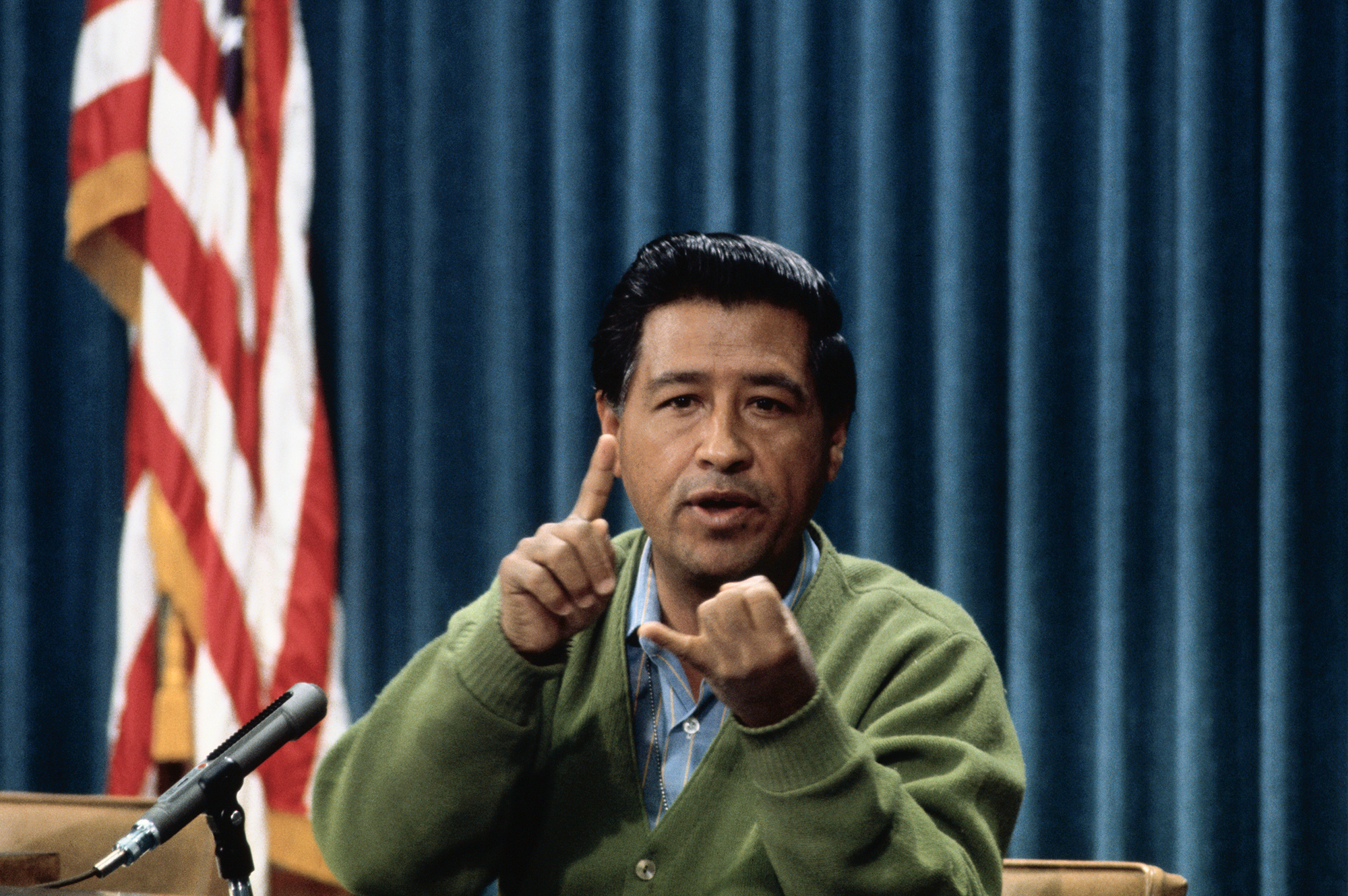
Overview
A wave of scrutiny is washing over California’s political landscape as leaders face renewed questions about the legacy of Cesar Chávez following multiple allegations of sexual assault. The revelations are not just about a historical figure; they challenge contemporary governance, accountability standards, and the political calculus of a state long identified with Chávez’s civil rights-era work. As officials grapple with how to acknowledge the past while charting a path forward, the episode tests California’s commitment to transparent leadership, survivor-centered policy, and principled public discourse.
What Just Happened
The public discourse around Chávez—once a foundational touchstone for labor organizing and immigrant rights—has shifted abruptly. Multiple allegations of sexual assault have emerged, prompting leaders who cite Chávez as a personal influence to reassess the moral and practical implications of his legacy. The controversy intersects with ongoing debates about how to honor historical figures while addressing past harms, how institutions respond to allegations about prominent figures, and how this affects policy agendas rooted in Chávez’s era of activism.
Public and Political Reactions
- Leadership Accountability: Several long-standing California figures are signaling steps to address the allegations, including reaffirming commitments to survivor support, independent investigation, and transparent communication with constituents.
- Community Trust: Labor unions, immigrant advocacy groups, and local communities are weighing whether Chávez’s legacy can remain a source of inspiration while acknowledging and confronting the alleged misconduct.
- Policy Framing: Some policymakers are linking the controversy to broader discussions about ethics in leadership, funding for survivor services, and oversight mechanisms for organizations tied to Chávez’s legacy.
- Electoral and Governance Considerations: The episode injects a nuanced debate about how to balance historical reverence with contemporary accountability, influencing public messaging, endorsements, and potential policy shifts.
Regional Context and Implications for Governance
California’s leadership ecosystem has long drawn energy from Chávez’s example in organizing, worker protections, and immigrant rights. The current reckoning places governance choices at the center: how to honor historic contributions without excusing misconduct, how to safeguard institutions against reputational risk, and how to translate legacy into concrete protections (e.g., anti-harassment policies, reporting channels, and survivor-centered resources).
Policy Snapshot: What Changes Might Emerge
- Survivor Support and Harassment Protocols: Expect intensified focus on harassment reporting, independent investigations, and resources for survivors within labor and civic organizations tied to Chávez’s legacy.
- Ethics and Accountability Standards: The debate may spur reforms in ethics disclosures for public figures and nonprofit leaders, with clearer guidelines on conflict of interest and past associations.
- Historical Reconciliation Initiatives: State and local bodies could adopt programs to contextualize Chávez’s contributions while openly addressing allegations, including public forums, fact-based timelines, and educational materials.
- Community Outreach and Inclusion: Policy discussions may expand to ensure that immigrant and worker communities feel represented and protected, with funding for outreach, legal aid, and worker protections.
What Comes Next
- Investigation and Transparency: The coming weeks could bring formal inquiries or independent reviews. The outcomes will shape public confidence and inform how institutions contextualize Chávez’s legacy.
- Policy Development Windows: Legislators and local leaders may use this period to advance survivor-centered policies, workplace harassment reforms, and clear governance standards for affiliated organizations.
- Narrative and Education: The public discourse is likely to include updated curricula and museum/archival content that presents Chávez’s life with a balanced, evidence-based lens, incorporating diverse community voices.
Outlook
This moment offers California an opportunity to reinforce its governance foundations while managing reputational risk. A principled, survivor-centered approach—emphasizing accountability, transparency, and inclusive policy design—could strengthen public trust and ensure Chávez’s legacy serves as a catalyst for meaningful reform rather than a source of division. The state’s response will have implications beyond its borders, shaping how other jurisdictions address legacies intertwined with social justice movements and how political organizations balance reverence with contemporary ethical standards.