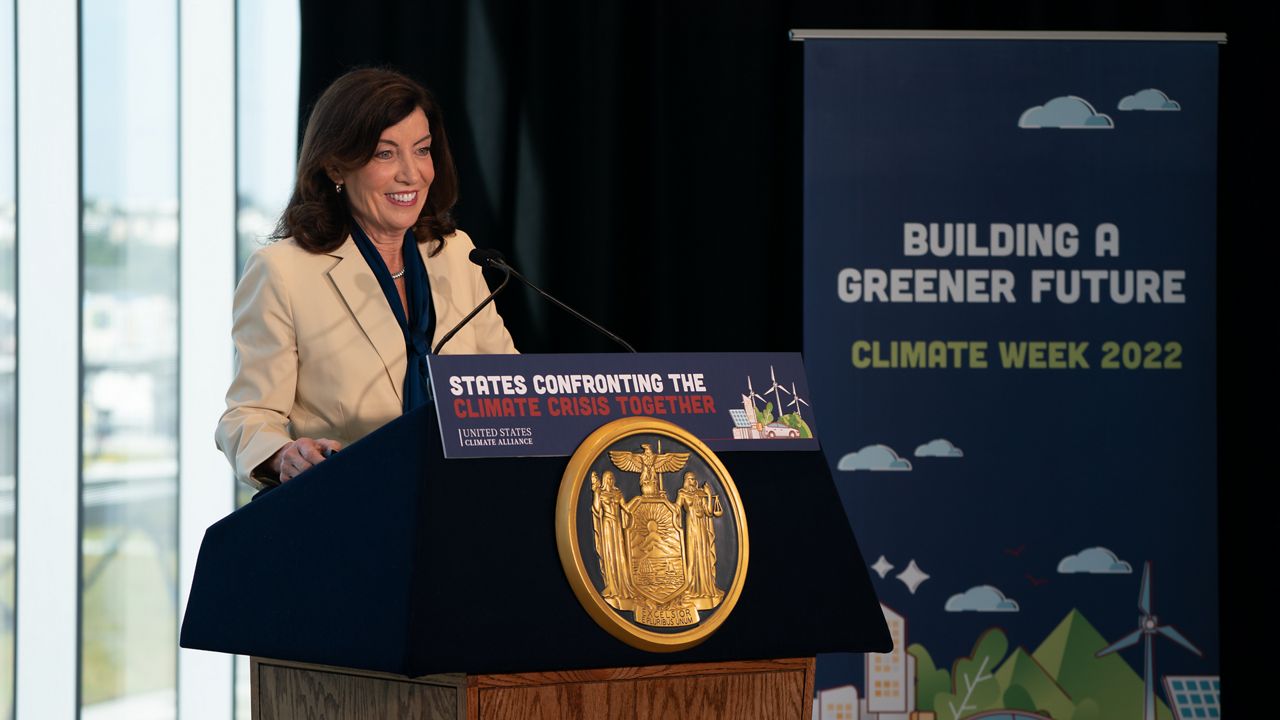
New York faces a pivotal moment as Gov. Kathy Hochul signals a proposed set of changes to the state’s landmark climate law, the Climate Leadership and Community Protection Act (CLCPA), with this week’s budget discussions shaping up as a proving ground for how aggressively the administration intends to calibrate climate policy against fiscal realities and legislative priorities. The CLCPA, long viewed as a foundational driver of the state’s decarbonization strategy, is now at the center of a high-stakes political negotiation that could redefine timelines, funding mechanisms, and regulatory expectations for years to come.
Policy Snapshot
The anticipated package aims to refine how New York pursues its ambitious emissions targets and clean-energy buildout under the CLCPA. Officials indicate the changes will address practical implementation questions that have bubbled up since the law’s enactment, including the pace of renewable development, the scope of sector-specific mandates, and the allocation of state subsidies and incentives. While details remain under wraps, the administration has framed the proposals as necessary adjustments to maintain affordability for ratepayers and to ensure policy certainty for investors, communities, and clean-energy developers.
Who Is Affected
The proposed changes land on multiple fronts:
- Ratepayers and consumers, who stand to be impacted by any shifts in funding, subsidies, or price controls tied to energy transitions.
- Utilities and energy developers, facing revised timelines and compliance expectations.
- Local governments and environmental justice communities, which may see adjustments to grant programs and implementation schedules.
- Businesses and labor unions that have converged around the state’s climate framework, with potential changes affecting jobs, supply chains, and project pipelines.
The scope indicates a broad, cross-cutting impact across the economy and everyday life, underscoring why the policy debate has become a litmus test for governance and fiscal prudence.
Economic or Regulatory Impact
Analysts expect the package to balance climate ambition with affordability concerns. If the plan accelerates investment in clean energy, it could bolster job growth and position New York as a regional clean-tech hub. Conversely, stricter timelines or tighter funding constraints might raise short-term costs for ratepayers or slow certain projects, prompting pushback from business groups and some municipalities.
Key regulatory questions likely to surface include:
- How will the CLCPA’s timelines be recalibrated for electricity, transportation, building efficiency, and industrial emissions?
- What funding mechanisms will remain intact or be retooled to support large-scale deployment without burdening consumers?
- How will equity and environmental justice priorities be preserved within any revised framework?
- What metrics and oversight will govern enforcement and progress reporting?
Political Response
Budget talks in a Democratic-led Legislature have set the stage for a political contest over the balance between climate leadership and fiscal accountability. Supporters argue that maintaining momentum on decarbonization is essential for long-term economic resilience, resilience to climate impacts, and New York’s competitive standing. Critics, however, warn about potential cost pressures on households, small businesses, and ratepayers, urging a more incremental approach.
The negotiation is also likely to become a proxy for broader tensions within the Democratic coalition—between progressive priorities that champion aggressive climate action and more fiscally cautious lawmakers who demand clear cost-benefit analyses and predictable regulatory environments. The discourse around the CLCPA changes could influence party dynamics ahead of upcoming elections and shape how climate policy is framed in statewide messaging.
What Comes Next
As the administration unveils proposed changes, several near-term steps will determine whether the package can pass the Legislature and become law:
- Public hearings and stakeholder consultations to refine details and address concerns from ratepayers, industry, labor, and environmental groups.
- Budget reconciliation negotiations to align CLCPA adjustments with broader fiscal plans, including tax policy and state subsidies.
- Legislative committee reviews, amendments, and floor votes in both chambers, followed by potential executive action by the governor.
- Implementation planning that outlines transitional provisions, funding timelines, and evaluation milestones to maintain policy momentum while ensuring affordability.
Context
New York’s climate framework has long been a national model for state-level decarbonization, combining aggressive emissions targets with a comprehensive approach to energy transition. The proposed changes come at a time of broader debates about the cost of climate action, energy security, and equitable outcomes for diverse communities. The week ahead will reveal whether policymakers can forge a path that sustains environmental goals while delivering on economic and budgetary responsibilities.
Immediate Reactions to Watch
- Lawmakers’ stance on cost containment and program integrity during budget negotiations.
- Interest group positions from environmental advocates, labor unions, consumer advocates, and business associations.
- Market signals from energy sectors that could indicate investor confidence or caution in project pipelines.
- Public sentiment around affordability, reliability of energy supply, and the perceived balance between ambition and pragmatism.
In sum, the administration’s forthcoming CLCPA adjustments are more than a policy tweak—they’re a test of governance strategy: can New York uphold its climate leadership while delivering predictable budgets and clear, implementable rules for all stakeholders? The answer may well shape the state’s competitive edge and policy direction for the next several years.