Situation Brief
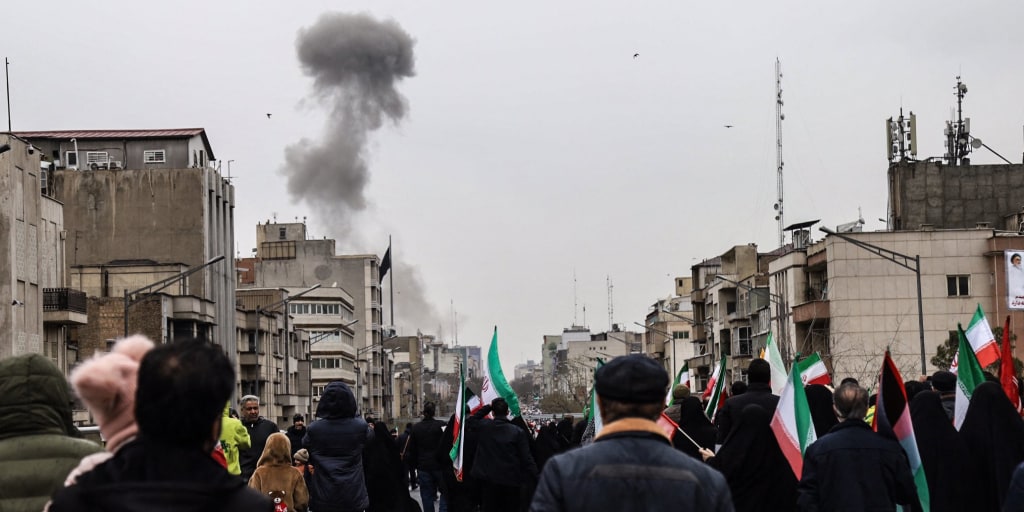
The 2026 political landscape features ongoing scrutiny of how the United States plans for potential conflicts with Iran. High-profile discussions inside the White House and national security circles repeatedly reference “off-ramps” — policy options designed to de-escalate or pivot away from military engagement if the strategic or political conditions change. Recent reporting underscores that these off-ramps are considered standard elements of war planning, alongside credible options to intensify pressure should policymakers decide it is warranted. For observers, the core question remains: how do these levers translate into concrete political decisions, especially with ongoing scrutiny of Trump-era dynamics in the current campaign environment?
Strategic Stakes
Off-ramps are not merely tactical contingencies; they shape the broader calculus of deterrence, alliance signaling, and domestic political risk. In the context of Iran, the availability of de-escalatory channels can influence the perceived credibility of U.S. commitments and the likelihood of unintended escalation. The calculus also affects allied coordination, congressional oversight, and the messaging U.S. leaders use at home to appeal to voters who prioritize national security, economic stability, and a measured approach to foreign policy.
Impact on US Interests
From a strategic standpoint, off-ramps serve multiple objectives:
- Deterrence versus escalation: They preserve leverage while reducing the risk of miscalculation that could pull the U.S. into a broader conflict.
- Economic implications: De-escalation channels can help mitigate volatility in energy markets and sanction environments that ripple through markets and consumer prices.
- Alliance management: Clear, limited off-ramps reassure partners that Washington seeks a controlled, predictable path rather than open-ended conflict.
- Domestic political dynamics: The administration’s willingness to pursue or retreat from pressure can become a focal point in election-season messaging, with critics questioning either the toughness or restraint of the approach.
Global Power Dynamics
The Iran policy debate intersects with broader regional and global power shifts. Iran’s regional influence, coupled with adversaries’ responses, feeds into a complex balance of deterrence and diplomacy. Off-ramps influence not just immediate military risk but long-term perceptions of U.S. reliability and leadership on accountability, nonproliferation, and crisis management. As competing powers watch, Washington’s signal about when to ease or escalate will reverberate through international institutions, defense markets, and diplomatic negotiations.
Who Is Affected
- National security apparatus and military leadership, which must align operational plans with political objectives.
- Congress and oversight committees monitoring war powers, sanctions, and foreign engagements.
- U.S. allies and partners coordinating on defense posture and regional diplomacy.
- The domestic economy and ordinary citizens, who may feel price pressures, uncertainty, or confidence depending on the perceived stability of foreign policy.
- Political contenders who capitalize on messaging around strength, restraint, or strategic clarity.
What Comes Next
Analysts expect ongoing debates about:
- When and how to signal restraint without losing credibility.
- How to maintain pressure on Iran via sanctions, cyber or diplomatic tools while preserving off-ramps for de-escalation.
- The interplay of off-ramps with potential congressional actions and budgetary decisions.
- The electoral implications for candidates who position themselves as guardians of national security and fiscal prudence.
Policy and Political Implications
- For policymakers, the key is maintaining credible deterrence while keeping channels open for controlled disengagement if conditions deteriorate or political costs of conflict become unbearable.
- For voters, the heart of the issue is risk management: how to preserve safety, economic stability, and international standing with a policy toolbox that can pivot from pressure to pause.
- For political strategists, off-ramps become a narrative device — a way to frame a candidate’s stance as prudent restraint or decisive action, depending on the current crisis climate and public mood.
Context and Immediate Reactions
Public discourse around war planning often emphasizes the tension between demonstrating strength and avoiding escalation. The emergence of “off-ramps” as a structured part of the policy toolkit signals a preference for managed risk versus open-ended confrontation. In the 2026 political arena, leaders’ ability to articulate a clear path between pressure and pause may influence perceptions of competency, steadiness, and long-term governance.
What to Watch
- Any formal announcements detailing sanctioned steps that could be reversed or paused.
- Shifts in congressional oversight or sanctions policy that reflect a preference for or against escalation.
- Market and alliance responses to new indications of how Washington plans to manage conflict risk.
- Campaign rhetoric that ties foreign policy decision-making to domestic outcomes like prices, jobs, and national security.
Note: This analysis focuses on the strategic and political implications of off-ramps within U.S.-Iran policy and how they intersect with election dynamics and governance in 2026.