Overview
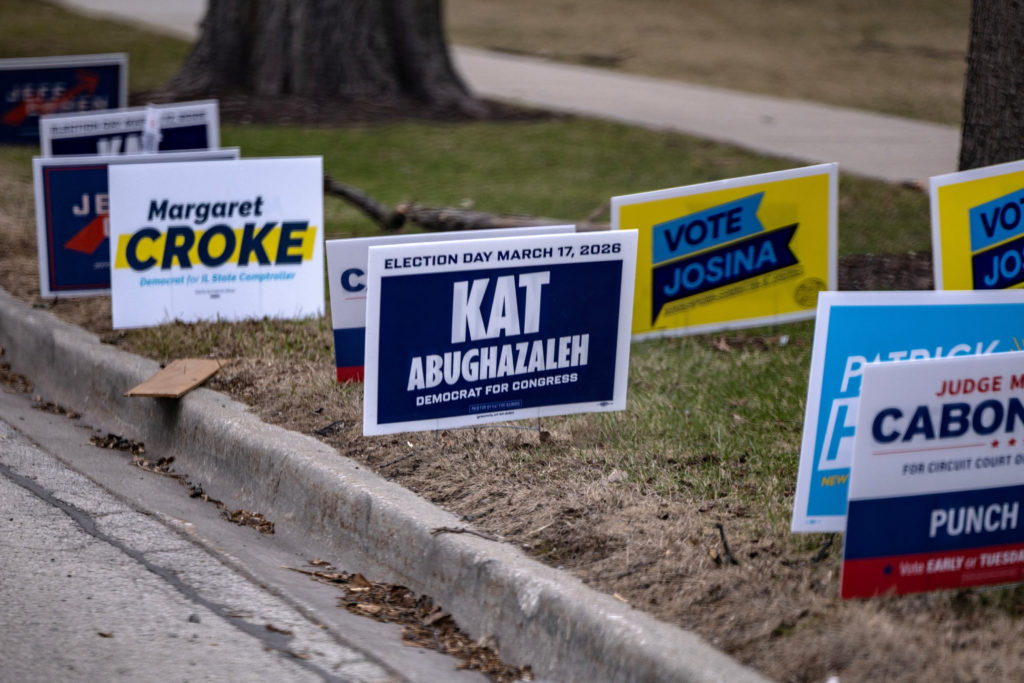
Illinois voters head to the polls for a pivotal set of primaries that will shape the state’s congressional leadership for a new generation. Six open seats across the U.S. House and Senate are drawing intense attention from candidates promising fresh faces, updated policy priorities, and sharper contrasts within the Democratic establishment. With a deeply blue tilt at the state level, the race angles are less about party viability and more about who can carry the banner into a consequential midterm cycle, influencing both Illinois politics and the broader national strategy for Democrats in 2026.
What Just Happened
Tuesday’s primaries mark a critical juncture for Illinois as it transitions to a new era of representation. Several open-seat races have intensified competition among candidates who differ on economic recovery, public safety, and generational leadership. In an environment where party consensus is tested less by viability and more by policy detail and personal brand, voters are evaluating not just who can win in November, but who can govern effectively in a time of rapid national change.
Public & Party Reactions
Within the Democratic ranks, there is a clear push to showcase diverse leadership capable of mobilizing a broad coalition, including younger candidates and those with a strong record on constituent services. Democratic strategists emphasize the need to balance progressive priorities with pragmatic governance, particularly on issues like infrastructure funding, healthcare access, and workforce development. Republicans and independent analysts, meanwhile, watch for any signs of intra-party fault lines or candidate differentiation that could signal how the delegation might retool its message ahead of November. Early feedback suggests voters are responsive to detailed policy plans and a demonstrated record of local impact, which could influence fundraising and endorsements in the weeks ahead.
Policy and Leadership Dynamics
The six open-seat fights underscore two interrelated trends shaping Illinois politics: (1) leadership renewal within a state with a long-standing Democratic dominance, and (2) a broader test of messaging that can translate into wins in federal races. Governors’ and party committees are pressing candidates to articulate clear agendas on job creation, tax fairness, and investment in education and infrastructure. The emphasis on local impacts—economic development in manufacturing hubs, transit modernization, and affordability—resembles a broader national strategy that Democrats hope will translate into durable voter alignment through 2026 and beyond.
What Comes Next
While primary outcomes don’t decide the general election, they set the tone for recruitment, fundraising, and campaign messaging through the summer and fall. The elected candidates will face a political landscape with heightened focus on economic resilience, public services, and corruption-risk vigilance. National party operatives are likely to key in on candidate personas, data-driven outreach, and coalition-building to convert primary momentum into November results. Analysts will closely monitor endorsements, PAC activity, and local debates to gauge how Illinois’ six open seats may influence the broader Democratic strategy in a midterm year when turnout and enthusiasm are critical.
Impact on Governance and Representation
Illinois, with its dense urban networks and vast suburban districts, often acts as a bellwether for Democratic policy direction in Congress. The incoming representatives are expected to carry forward a mix of traditional liberal priorities and district-specific needs—particularly around economic modernization, public transit investment, and social safety nets. The leadership tilt within the delegation could affect how aggressively Illinois pushes for federal funding, how it negotiates with party leadership on committee assignments, and how effectively it coordinates across the Midwest on shared economic development goals.
Long-Term Significance
The primary results will likely influence the state’s political calculus well beyond 2026. A refreshed congressional slate could alter the timing and scope of Illinois’ regional advocacy—impacting how capital projects are prioritized, how state-federal partnerships are structured, and how Democratic messaging adapts to evolving demographics and economic realities. If emerging leaders demonstrate cross-cutting appeal, Illinois could strengthen its voice in national debates on taxation, healthcare, and infrastructure—crucial levers for sustaining competitive political engagement in the years ahead.
What to Watch
- Endorsements and fundraising trajectories for leading primary contenders.
- The degree to which candidates articulate a concrete, pragmatic plan for growth and public service.
- Voter turnout dynamics and demographic patterns among key communities.
- How the primary outcomes reshape the 2026 general election map and candidate viability.
- The balance between progressive policy ambition and pragmatic governance in Cassandra-led campaigns and other emergent voices.
Bottom line
Illinois’ six open-seat primaries are more than a routine electoral exercise; they are a litmus test for a new generation of Democratic leadership and a bellwether for how the party positions itself in national politics during a critical midterm cycle. As campaigns tighten, the emphasis on tangible policy outcomes, strong local ties, and coalition-building will shape not only Illinois’ political future but the trajectory of national Democratic strategy through 2026 and beyond.