Overview
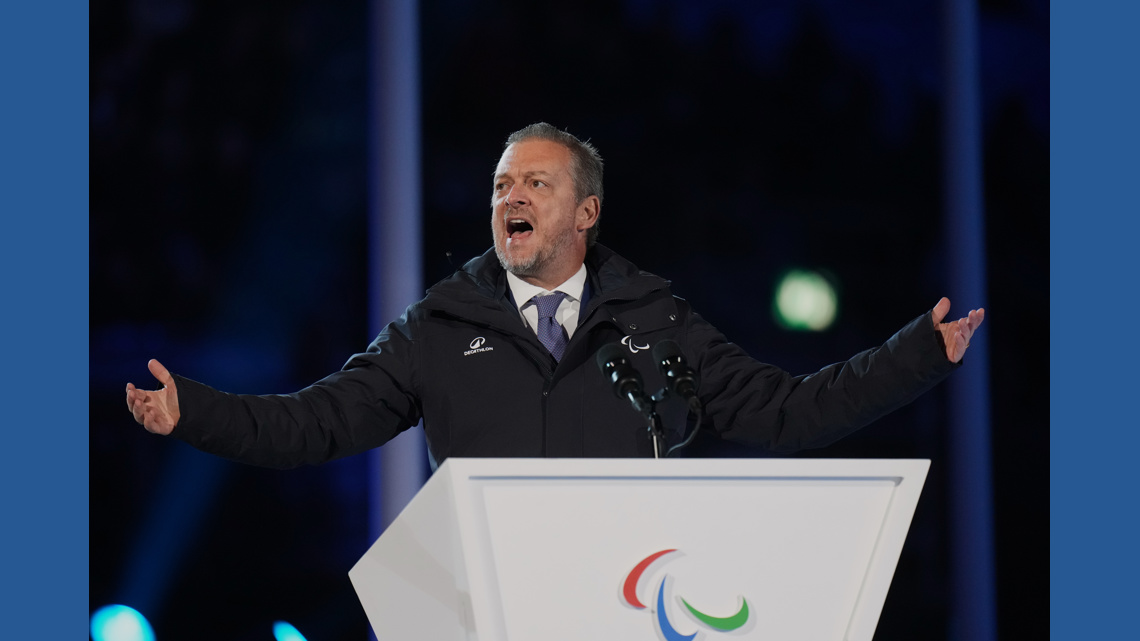
The International Paralympic Committee (IPC) is experiencing public scrutiny as its leadership reportedly shifts emphasis toward political considerations during the Milan Cortina Paralympics. The situation highlights tensions between sport administration, advocacy priorities, and the broader geopolitics that shape international elite sport. For observers, the episode raises questions about governance priorities, stakeholder expectations, and how the IPC balances athlete welfare with policy advocacy on the world stage.
What Just Happened
Following remarks and public statements by IPC leadership during the Milan Cortina Paralympics, critics argue that political maneuvering has taken center stage at a time when the Paralympic movement should focus on competition, inclusion, and athlete development. The conversation centers on whether leadership decisions are advancing the needs of Paralympic athletes or serving broader political aims. Depending on whom you ask, the shift signals either a necessary push for policy visibility and funding or a risky overreach that could alienate national Paralympic committees, sponsors, and fans.
Public & Stakeholder Reactions
Reactions from national committees, sponsors, and disability advocacy groups are mixed. Some stakeholders praise a more assertive IPC stance on governance, funding, and inclusion policies. Others warn that politicization could distract from sport delivery, event planning, and athlete support services. Athletes themselves may experience a spectrum of impact, from stronger advocacy channels to uncertainty about priorities and resource allocation.
Policy and Governance Implications
This development spotlights several governance dimensions:
- Advocacy vs. administration: Where should the IPC draw the line between advocating for policy change and managing day-to-day Paralympic operations?
- Resource allocation: If political initiatives require funding or staff, how will that affect programs aimed at athlete development, coaching, and grassroots participation?
- Global legitimacy: The IPC operates in a crowded international sports landscape. Politicization can influence relationships with the International Olympic Committee, national federations, and sponsors.
- Accountability: Public perception of leadership priorities matters for governance credibility, audit processes, and stakeholder trust.
Impact on US Stakeholders
For a U.S.-based audience, the IPC’s focus has practical repercussions. US Paralympic Committee partners, sponsors, and athletes rely on predictable funding cycles, clarity on program priorities, and transparent decision-making. A politicized agenda could affect collaboration, grant distribution, and performance funding, potentially altering the pathway for American athletes vying for medals on the world stage.
What Comes Next
Several developments could shape the coming months:
- Clarified governance communications: Expect a more explicit articulation of how political advocacy fits into the IPC’s mandate and how it intersects with sport development goals.
- Stakeholder engagement: The IPC may convene consultations with national committees, athletes, and sponsors to align expectations and respond to concerns.
- Budget and program reviews: Anticipate assessments of funding allocations to policy initiatives versus athlete services, with reporting to member federations and donors.
- Monitoring and accountability: Watch for enhanced transparency measures, including governance audits and public dashboards that track progress on stated priorities.
Forward-Looking Analysis
The Milan Cortina moment underscores a broader trend in international sport: federations increasingly operate at the crossroads of sport, policy, and human rights advocacy. For the IPC, the strategic challenge is maintaining credibility as a sport-led organization while amplifying issues that affect disabled athletes worldwide. The balancing act will shape whether the IPC is perceived as a principled advocate for inclusion and accessibility or as a political actor whose priorities could compromise performance outcomes and administrative efficiency.
Bottom line
As the Milan Cortina Paralympics unfold, the IPC’s leadership choices will influence governance norms, funding dynamics, and stakeholder trust across the Paralympic ecosystem. The coming months will test whether political advocacy strengthens the movement or poses risks to the core mission of empowering Paralympic athletes to compete at the highest level.