Overview
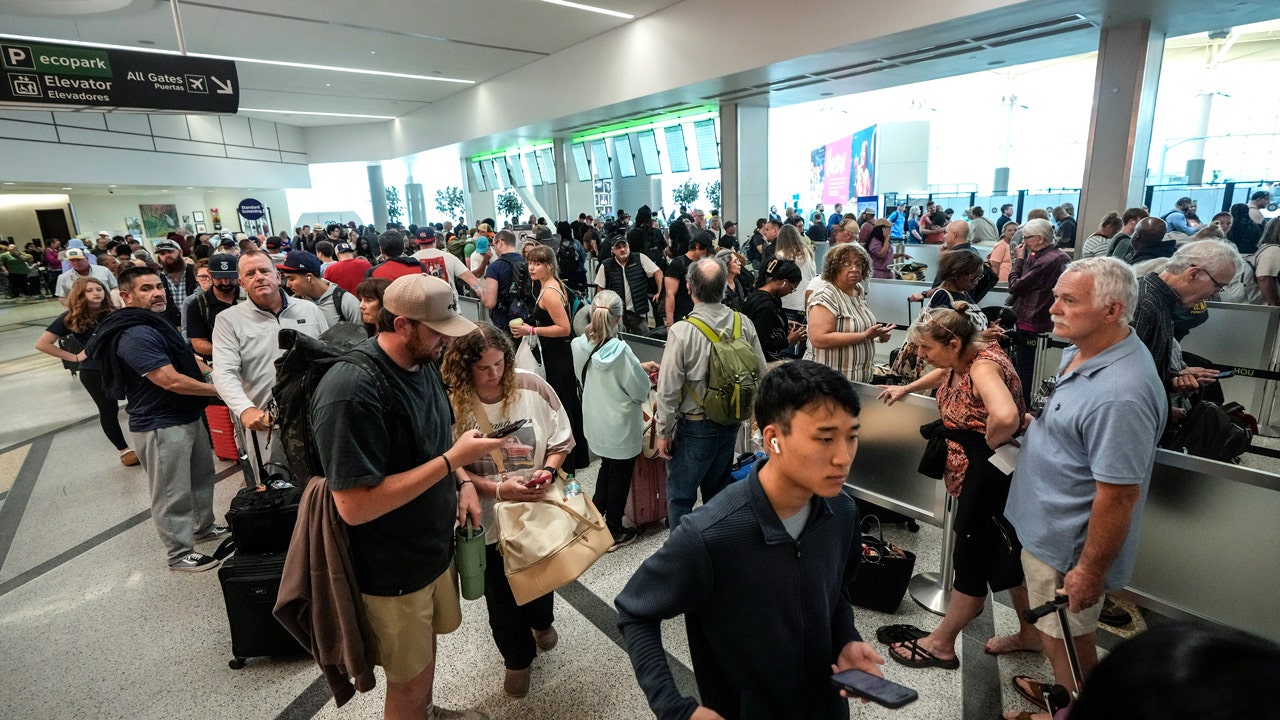
A DHS shutdown has put TSA staffing and airport operations under scrutiny as spring travel surges. Airline executives warn that unpaid TSA workers are affecting throughput at security checkpoints, risking longer wait times and flight delays just as passenger volumes rebound. The unfolding situation highlights how federal funding gaps translate into real-world costs for travelers, airlines, and the broader travel economy—and it signals potential policy and regulatory responses in a fragile aviation system.
What Just Happened
With federal funding gaps triggering unpaid DHS staff, TSA lines have grown longer in several hubs as travel demand rebounds post-pandemic. Airline leaders pressed lawmakers to resolve funding gaps quickly, arguing that operational bottlenecks during peak travel periods undermine consumer confidence and airline reliability. The conflict underscores how aviation infrastructure depends on timely government funding and labor stability, especially when demand shifts rapidly.
Public & Industry Reactions
- Airlines: CEOs characterized the currency of the crisis as a direct consequence of political gridlock, urging bipartisan action to prevent further erosion of travel experience and safety protocols.
- Workers: TSA agents face financial uncertainty, which can affect morale and staffing levels at security lanes, with potential ripple effects on screening efficiency and wait times.
- Travelers: Passengers confront the prospect of longer lines, tighter schedules, and increased anxiety around trip reliability, compounding frustrations after years of change in travel norms.
- Policymakers: The episode intensifies debates over federal budget priorities, defense of critical infrastructure, and the balance between security staffing and fiscal discipline.
Policy Snapshot
- Funding Dependency: TSA and DHS operations hinge on congressional appropriations. A lapse can slow recruitment, training, and overtime coverage, impacting security posture and throughput.
- Labor Implications: Unpaid or uncertain pay can affect retention and morale, complicating the agency’s ability to staff busy terminals during peak travel windows.
- Security and Efficiency Trade-offs: In high-volume periods, even minor staffing shortfalls can increase wait times, prompting questions about risk-based screening policies, overtime incentives, and contingency staffing plans.
Who Is Affected
- Travelers: Short- and mid-term travelers experience longer lines, potential flight delays, and increased stress around security checks.
- Airport and Airline Operations: Ground crews, gate planners, and operations teams face tighter schedules and heightened variability in flight times.
- TSA Workforce: Pay uncertainty can influence staffing stability and recruitment, with long-term implications for screening efficiency and morale.
Economic or Regulatory Impact
- Industry Costs: Delays and longer screening times can raise operational costs for airlines through crew downtime, gate congestion, and missed connections.
- Consumer Spending: Prolonged travel disruptions can dampen associated consumer activity, from airport concessions to car rentals and hotel bookings.
- Regulatory Leverage: The funding stalemate could accelerate discussions on dedicated aviation funding streams, budgetary reforms, or temporary authorizations to stabilize essential security services.
Political Response
- Bipartisan Pressure: Lawmakers are under pressure to restore funding and stabilize TSA operations, with debates likely to center on federal budget priorities and contingency planning.
- Accountability Discourse: The episode feeds into broader narratives about governance effectiveness, government resilience, and the political calculus of infrastructure investment.
- Strategic Messaging: Airlines’ public criticisms may influence public opinion and push for rapid policy resolution before the peak travel season.
What Comes Next
- Potential Funding Fixes: Expect expedited appropriations or temporary funding measures to restore TSA payrolls and staffing stability, coupled with commitments to avoid future lapses.
- Regulatory Adaptations: Policymakers may consider targeted reforms to streamline security operations during funding disruptions, including enhanced overtime frameworks and surge staffing agreements.
- Longer-Term Aviation Policy: The incident could accelerate discussions on aviation funding mechanisms, labor agreements, and performance metrics for security screening during high-demand periods.
Bottom line
The DHS funding stalemate has translated into tangible travel frictions, highlighting the delicate balance between political budgeting and operational readiness in U.S. air travel. As spring travel reaches its peak, the aviation sector, travelers, and policymakers will be watching closely for a funding resolution—and for any lasting regulatory changes meant to shield the system from future disruptions.