Overview
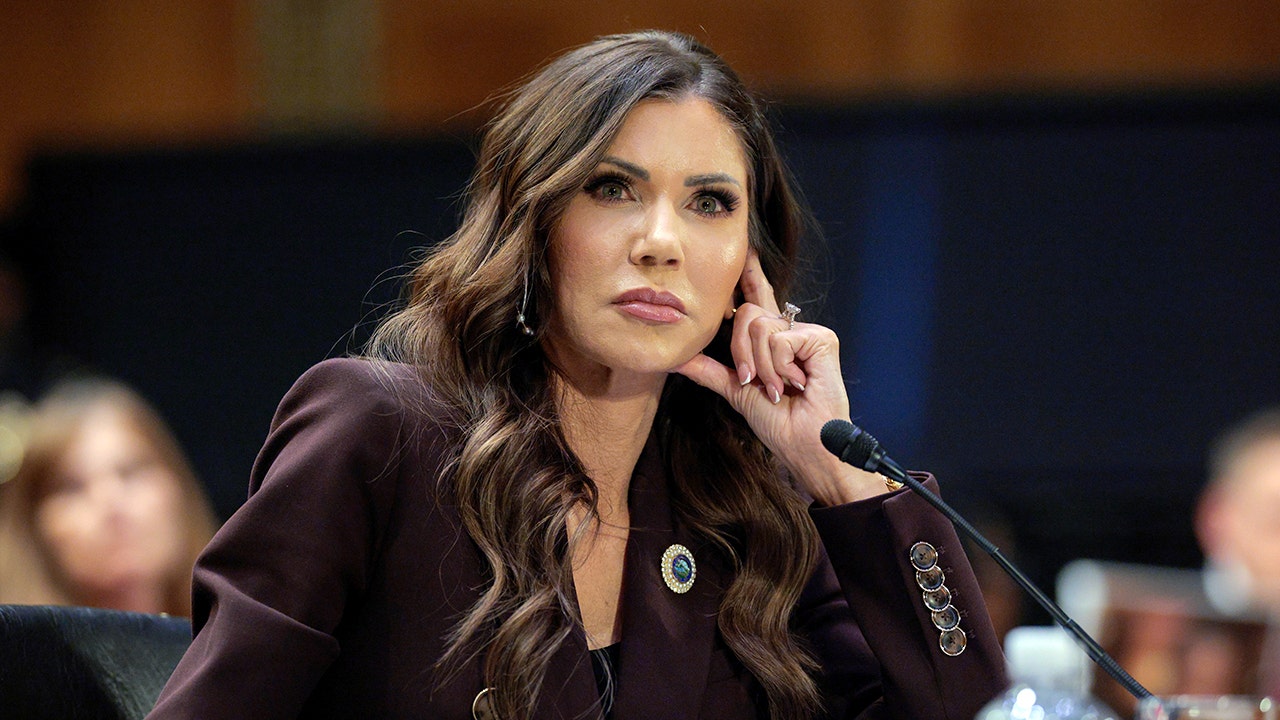
The department that anchors U.S. homeland security is undergoing a notable leadership change, with Kristi Noem removed from her post amid a period of heightened scrutiny and partisan tensions around security policy. Early reporting indicates Senator Markwayne Mullin is among the names floated as a potential successor, signaling that the administration intends to recalibrate DHS leadership as it navigates a polarized political environment heading into 2026.
What Just Happened
Sources indicate that Kristi Noem’s tenure as head of the Department of Homeland Security has concluded amid contested hearings and a broader shake-up within the administration. The move appears to be part of a broader pattern of leadership transitions designed to align executive priorities with the administration’s strategic agenda on border management, counterterrorism, disaster response, and internal security reform. While formal confirmation processes and deliberations are underway, the prospect of a Mullin-led DHS would bring a different congressional footprint to the department’s leadership and security posture.
Public & Party Reactions
Reaction to the leadership change is likely to split along partisan lines, with Republicans and conservative allies emphasizing a need for aggressive border control, emergency preparedness reforms, and a robust national-security stance. Critics may question the timing and potential policy shifts, particularly around humanitarian considerations at the border and civil liberties during security operations. The development will become a focal point in both the 2026 electoral narrative and ongoing debates over DHS’s balance between enforcement, resilience, and civil rights protections.
Policy Snapshot
While the specifics of a potential leadership transition remain to be fully disclosed, the broader policy implications are clear. A new DHS leader could influence:
- Border and immigration policy enforcement priorities, including resources, technology deployment, and coordination with neighboring countries.
- Domestic counterterrorism initiatives, including interagency collaboration, intelligence sharing, and risk assessment methodologies.
- Disaster response and resilience planning, emphasizing procurement, logistics, and intergovernmental coordination.
- Cyber and critical infrastructure protection, with an emphasis on safeguarding elections infrastructure, supply chains, and essential services.
Who Is Affected
The leadership change at DHS touches multiple stakeholder groups:
- Federal and state law enforcement agencies through policy direction and funding allocations.
- Local governments and first responders who rely on DHS programs for disaster readiness and protective measures.
- The private sector, especially critical infrastructure operators and vendors providing security technologies.
- Immigrant and civil liberties advocacy communities that scrutinize enforcement practices.
Economic or Regulatory Impact
A fresh DHS leadership team can influence regulatory priorities and funding decisions that affect:
- Border security investments, including technology, facilities, and personnel.
- Emergency management programs and Federal Emergency Management Agency (FEMA) funding streams.
- Critical infrastructure protections, potentially accelerating capex for cybersecurity, resilience, and redundancy.
- Compliance requirements for private sector operators involved in transportation, energy, and communications.
Political Response
Expect renewed debate over the administration’s security framework and its electoral appeal. Supporters will likely frame the change as a step toward stronger safeguarding of American borders and communities, while opponents will scrutinize the pace of reform, civil liberties implications, and the operational effectiveness of DHS under new leadership. The decision will likely become a litmus test for party leadership on national security and governance credibility as 2026 campaigns intensify.
What Comes Next
Key next steps include:
- Formal nomination and confirmation hearings for any candidate proposed to lead DHS, with a focus on experience, policy alignment, and oversight readiness.
- A period of policy signaling as the administration outlines its security priorities, including any reforms to border management, disaster readiness, and cyber defense.
- Ongoing congressional oversight and interagency coordination to ensure continuity of critical security operations during leadership transition.
Long-Term Significance
This leadership change could recalibrate how the U.S. prioritizes homeland security amid evolving threats and a crowded political landscape. If a figure like Mullin takes the helm, expect shifts in border policy emphasis, resource allocation, and interagency collaboration. The transition also signals a broader strategic debate within the administration about governance style, risk tolerance, and the boundaries of executive authority in national security matters.
Note on context
This article focuses on the structural and strategic implications of a leadership transition within the Department of Homeland Security, outlining potential policy directions and political dynamics. The situation remains fluid as official statements and confirmations unfold.