Overview
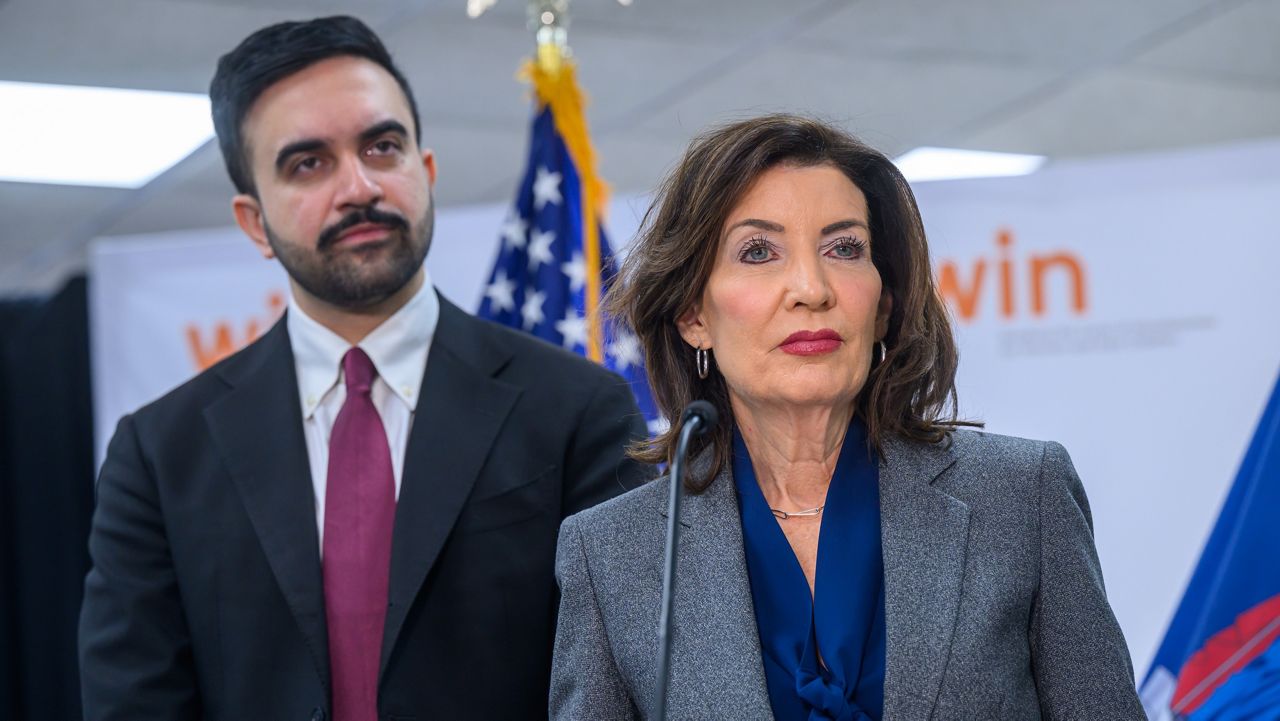
New York state politics are once again testing the balance between ambitious social policy and fiscal constraints. A public display of unity between Gov. Kathy Hochul and City Mayor Mamdani—standing together to push a free child care pilot for two-year-olds—has intensified the spotlight on how state and city leaders will fund, implement, and sustain high-profile child care initiatives. The moment underscores broader debates about taxes, budget trade-offs, and the role of government in early childhood education.
What Just Happened
At a joint event, Governor Hochul and Mayor Mamdani framed the free two-year-old child care pilot as a cornerstone of a growing effort to expand access to early learning. The optics suggested strong executive alignment, but underlying policy questions remain: how will the program be financed, what is the expected impact on families, and how will tax or budget decisions align with broader fiscal plans?
This moment comes amid ongoing discussions about adjusting property taxes or other revenue streams to support social service expansions. Critics and supporters alike are parsing whether the pilot is scalable, equitable, and fiscally prudent, particularly in a city and state grappling with diverse economic conditions and competing priorities.
Policy Snapshot
- Program Scope: A targeted pilot offering free child care for eligible two-year-olds, intended to relieve parental costs and stimulate early cognitive development.
- Funding Considerations: The initiative raises questions about funding sources—whether new revenue streams (tax measures) or reallocation of existing funds will cover the program’s needs, and how durable these funds will be over time.
- Eligibility and Access: Details on eligibility thresholds, duration of the pilot, and enrollment processes are central to assessing impact and equity.
- Accountability: Performance metrics, reporting requirements, and oversight will determine the program’s credibility and public support.
Who Is Affected
- Families with very young children, especially those near or within the eligibility boundaries, stand to benefit from reduced child care costs and improved access to early education.
- Providers could see increased demand, requiring capacity expansion, staffing, and compliance with program standards.
- Taxpayers and ratepayers may feel the fiscal strain depending on how the program is funded and whether taxes are adjusted or re-prioritized to support it.
Economic or Regulatory Impact
- Fiscal Trade-offs: Implementing a universal or pilot-based free child care program often entails trade-offs with other services or tax policy. If funded through new or increased taxes, political ramifications could include pushback from constituents and business groups.
- Regulatory Framework: The program will require governance standards for quality of care, workforce qualifications, and monitoring to ensure accountability and defensible outcomes.
- Economic Multiplier Effect: Advocates argue that reducing child care costs can boost labor force participation, particularly among parents who might otherwise exit the workforce, potentially yielding long-term economic gains.
Political Response
- Supporters emphasize the policy’s long-term benefits: stronger early education foundations, parental relief, and enhanced social mobility.
- Critics raise concerns about the sustainability of funding, potential tax burdens, and whether the pilot could dilute attention from other essential services or underserved communities.
- The public discourse will likely hinge on fiscal transparency, the precision of the program’s goals, and the administration’s ability to deliver measurable improvements in access and quality.
What Comes Next
- Policy Refinement: Expect forthcoming details on funding mechanisms, eligibility criteria, and accountability metrics. Lawmakers could propose amendments aimed at ensuring equitable access and fiscal realism.
- Legislative Dialogue: The dynamic between state leadership and city officials will shape subsequent legislation or budgetary actions. Negotiations may test Governor Hochul’s broader tax policy stance and the city’s budgetary flexibility.
- Implementation Timeline: Clear milestones for enrollment, provider partnerships, and monitoring will determine how quickly families feel tangible benefits and how smoothly the program scales.
Tone and Implications
The coordination between state and city leaders signals a strategic push to normalize affordable early childhood care as a public good. However, the path from ambitious policy to durable program hinges on transparent funding, robust governance, and the ability to maintain public trust through measurable outcomes. For residents, the key questions are not just about availability, but about the long-term financial sustainability and the quality of care that accompanies public investment.
Bottom line
As Hochul and Mamdani present a united front on free child care for two-year-olds, structural questions loom: can the initiative be funded without unsustainable tax increases, and can it deliver consistent, scalable benefits across communities? The coming weeks and months will reveal how policymakers balance aspiration with practicality, and whether this pilot becomes a blueprint for broader early childhood investment in New York.