Strategic Overview
The congressional clash over presidential war powers took center stage again as lawmakers consider restricting President Donald Trump’s or any president’s ability to wage limited strikes against Iran without explicit authorization. In this moment, strategist-senator Dave McCormick of Pennsylvania positions himself against what he calls political theater from Democrats, while underscoring a core security concern: Iran’s financing of terrorist networks and its ongoing nuclear ambitions. The debate highlights a broader dynamic in 2026 politics where national security decisions increasingly intersect with domestic political calculations and the 2026 electoral landscape.
What Just Happened
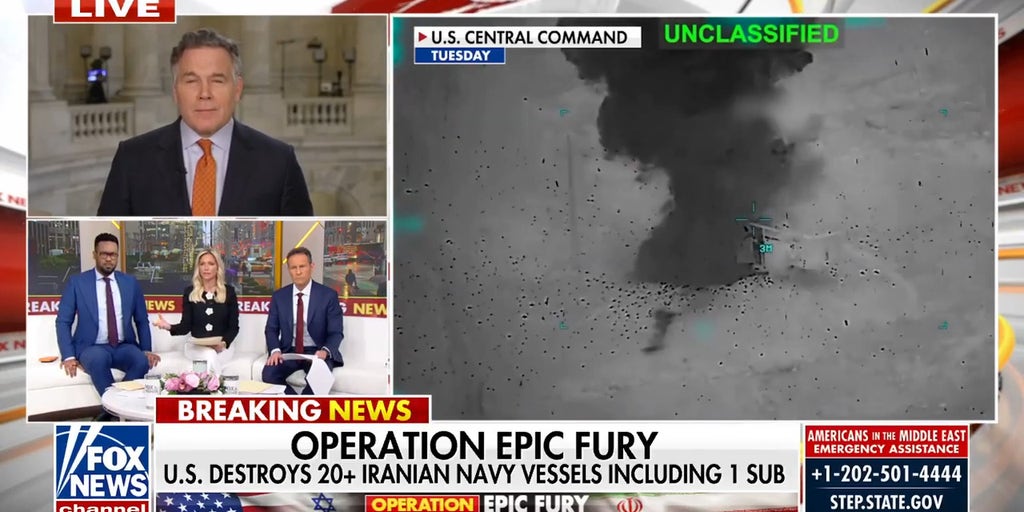
Recent discussions in the House centered on curbing presidential authority to engage in or escalate strikes against Iran without specific congressional approval. McCormick, a Republican voice on national security, framed the Democratic push as performative rather than policymaking, arguing the move could constrain swift executive action during a crisis. His stance reflects a skepticism toward broad congressional oversight that could hamper rapid responses to imminent threats while aligning with a repeated GOP emphasis on executive branch prerogatives in matters of national security.
Electoral Implications for 2026
National security narratives are shaping the 2026 political terrain, where voters weigh the balance between swift executive decision-making and the requirements of legislative oversight. McCormick’s remarks aim to resonate with a segment of the electorate that prioritizes a tough, proactive stance against Iran and a belief in strong executive flexibility to deter aggression. The debate could influence Republican positioning on foreign policy as well as paint Democrats as constrained by process, potentially affecting turnout among defense-focused constituencies. For Democrats, the challenge is documenting a credible strategy for oversight that does not appear to undermine deterrence or risk mismanaging a regional crisis.
Public & Party Reactions
Within the party, reactions vary. Proponents of tighter war-powers checks argue for enhanced congressional scrutiny as a safeguard against miscalculation and mission creep. Critics warn that constraining the executive could delay vital actions during sudden escalations. Beyond party lines, national security experts emphasize that Iran’s financial networks and nuclear ambitions present persistent strategic risks, necessitating clear, achievable congressional oversight without compromising the president’s ability to act decisively in emergencies. The debate also touches on how bipartisan support or opposition to specific Iran policies may influence relationships across chambers and with allied partners.
What This Means Moving Forward
The interaction between executive authority and congressional oversight over Iran policy remains a hinge point for both national security strategy and political branding in 2026. Expect continued pressure from both sides on setting concrete guardrails—such as requiring clearer authorization for broader strikes, tighter reporting on planned engagements, and defined sunset clauses—to balance deterrence with constitutional checks. The broader implication is a policymaking environment where foreign policy debates increasingly factor into domestic political calculations, potentially affecting funding, military posture, and alliance cohesion in the region.
Closing Perspective
As Iran remains a focal point of global destabilization efforts, the 2026 discourse on war powers is less about a single administration and more about enduring questions of constitutional authorizations, rapid crisis response, and the credibility of the United States in confronting state sponsors of terrorism. McCormick’s critique of the Democratic approach signals a continuing clash over how to translate tough talk on Iran into durable, implementable policy—one that reassures allies, deters adversaries, and aligns with the evolving incentives of a changing political landscape.