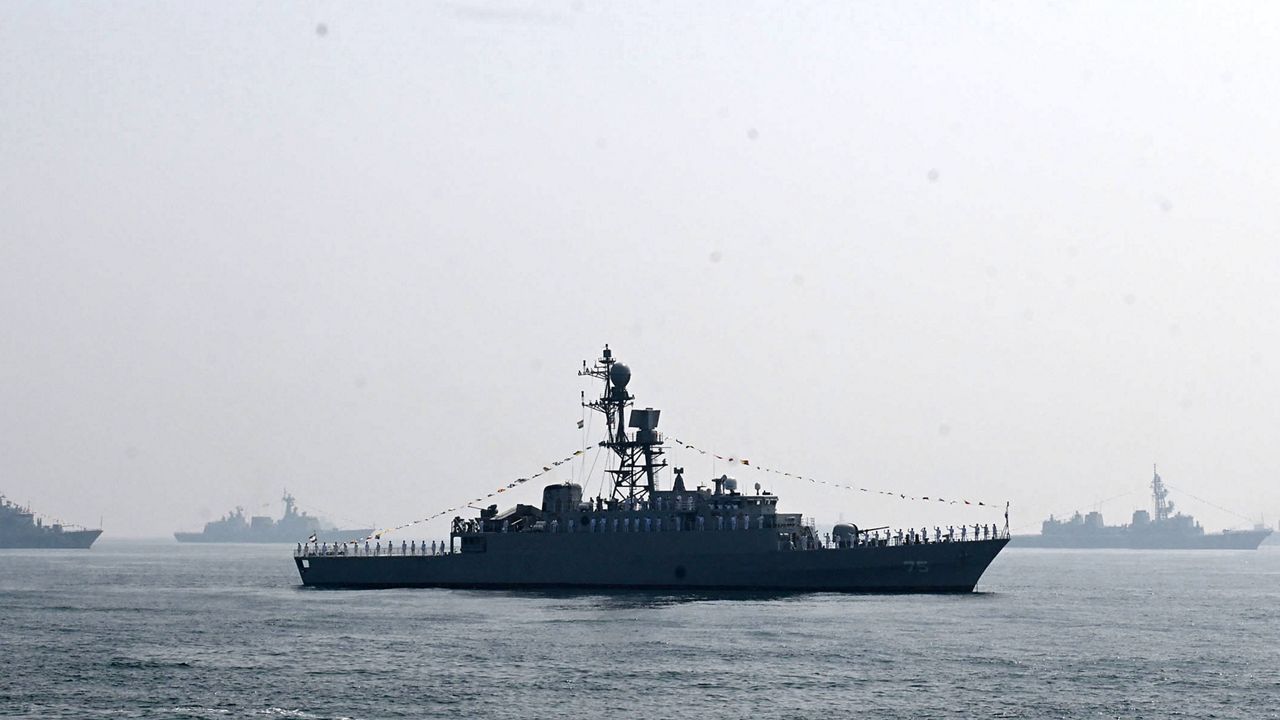
Situation Brief
A recent high-profile naval loss involving an Iranian warship has drawn renewed attention to the ongoing strain and open confrontation between Iran and the United States, with backing from close allies. The incident comes amid a broader slate of maritime tensions, signaling that the conflict landscape is expanding beyond direct battlefield theaters into global shipping lanes and regional power competition. Analysts describe the event as a marker of the persistent, multi-front pressure that has characterized U.S.-Israel-Iran dynamics for years, now resurfacing with greater complexity and potential spillovers.
Strategic Stakes
The sinking highlights several strategic themes shaping 2026 geopolitics:
- Maritime security: Key commercial routes could face heightened risk from miscalculation or escalation, affecting global supply chains and insurance markets.
- Alliance dynamics: U.S. and Israeli strategic coordination with regional partners continues to recalibrate in response to Iranian activities, with potential shifts in basing, reconnaissance, and military aid frameworks.
- Deterrence and signaling: Actions tied to deterrence objectives—whether through sanctions, covert operations, or limited kinetic actions—remain central to shaping Iran’s calculus and its regional proxies.
- Political optics: Domestic narratives in participating countries may leverage the incident to justify policy pivots on defense funding, security posture, and diplomatic engagement with adversaries.
Impact on U.S. Interests
- National security: The event underscores the persistent threat posed by Iran’s regional posture and the risk of miscalculation in crowded maritime corridors.
- Economic resilience: The attack potentially affects energy flows and global shipping costs, prompting debates over risk premiums, insurance, and diversified energy sourcing.
- Policy credibility: Washington’s ability to coordinate international responses will be scrutinized as allies weigh sanctions, diplomatic channels, and potential escalation controls.
- Legal and ethical considerations: Incidents at sea invoke questions about rules of engagement, escalation thresholds, and the protection of civilian shipping under international law.
Global Power Dynamics
- Middle East theater: The incident reinforces Iran’s adversarial posture toward U.S. and allied interests in the region, likely accelerating security dialogues among Gulf states and NATO partners about defense modernization and early-warning networks.
- U.S.-China competition overlay: While not directly tied, broader great-power rivalry could influence how the U.S. allocates strategic resources, balancing Asia-Pacific priorities with Middle East obligations.
- International institutions: The event may catalyze calls for enhanced maritime security regimes, coalition-based sanctions approaches, and risk-sharing mechanisms among trading nations and insurers.
Forward-Looking Risks
- Escalation vs. de-escalation: The central risk remains whether punitive measures, retaliatory strikes, or diplomacy will prevent a broader clash at sea or in regional airspaces.
- Economic spillovers: Higher shipping costs, commodity price volatility, and energy market anxiety could ripple through global markets and impact consumer prices in 2026.
- Domestic political consequences: U.S. policymakers may face pressure to demonstrate a clear strategy—whether through sanctions, diplomacy, or readiness to engage in limited military action—without triggering unintended escalations.
- Diplomatic gambits: Attempts to broker deconfliction and secure lines of communication among major powers could influence future negotiations, with leverage tied to regional security assurances and nonproliferation commitments.
What This Means Moving Forward
- Comprehensive risk assessment: Stakeholders should conduct robust maritime risk analyses, including chokepoint vulnerabilities and insurance exposure, to prepare for potential disruption in key corridors.
- Policy clarity: The United States and its partners will likely articulate a refreshed playbook balancing deterrence with diplomacy, aiming to maintain freedom of navigation while avoiding open-ended escalation.
- Alliance reinforcement: Expect deeper coordination with European, Middle Eastern, and Indo-Pacific partners on sanctions regimes, intelligence sharing, and rapid-response capabilities to deter further actions.
- Economic resilience measures: Nations and corporations may diversify shipping routes, invest in alternative energy sources, and reexamine commodity supply chains to reduce exposure to single-lines risk.
Tone and Structure Notes
- The article adopts a geopolitical, analytical lens tuned for a U.S.-based audience, emphasizing strategic stakes, policy implications, and forward-looking scenarios.
- The writing avoids sensationalism while providing clear, actionable insights for policymakers, analysts, and industry stakeholders.
- Short, readable paragraphs with subheadings help readers quickly grasp risk areas, potential impacts, and strategic options for 2026.