Strategic Overview
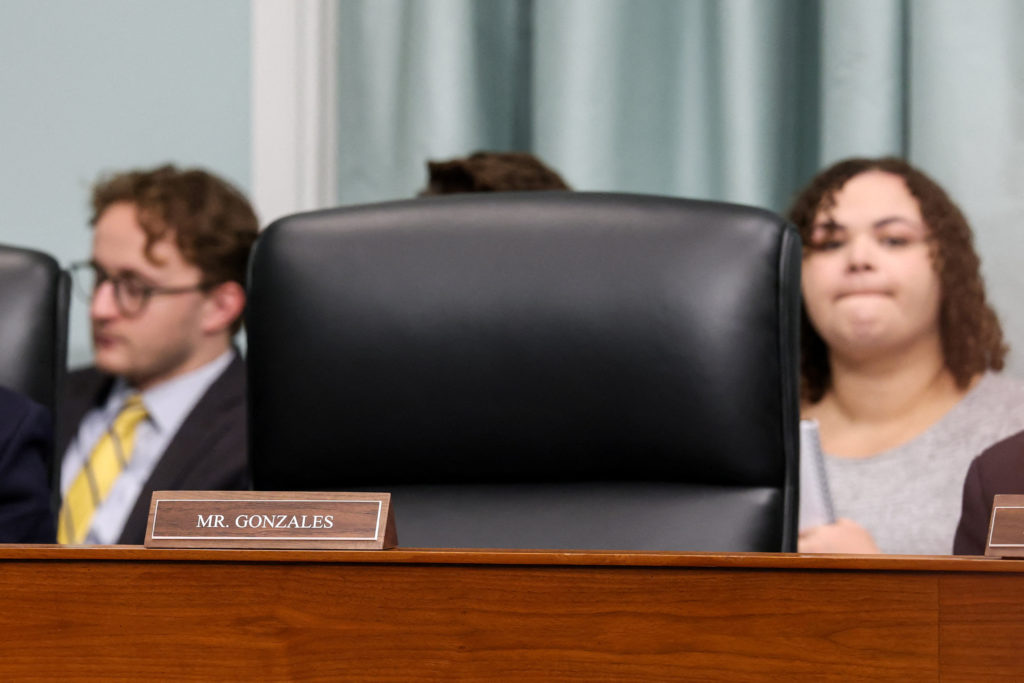
Tissuing a delicate balance, House Republican leaders publicly refrain from urging Rep. Tony Gonzales to end his reelection bid following revelations of an affair with an aide. The episode tests the party’s cohesion as it seeks to defend a razor-thin majority in a polarized Congress. The leadership’s restraint signals a broader electoral calculus: maintaining support among conservative voters while avoiding internal divisions that could be exploited by opponents. In 2026, these moves could become a litmus test for accountability, ethics standards, and party discipline within a GOP caucus already navigating tight margins.
What Just Happened
New disclosures placed Rep. Gonzales at the center of a controversy involving an affair with a congressional staff member. While many details remain contested and ongoing, the incident has prompted questions about personal conduct, transparency, and how leadership should respond to ethical concerns when a member is up for reelection in a competitive environment. The Republican leadership’s response—avoiding a call for resignation—reflects a strategy to preserve unity and avoid creating a martyr or a targeted vulnerability in a swing district.
Electoral Implications for 2026
- Voter sentiment: The affair narrative could distract from policy messaging, complicating the GOP’s ability to present a stable, results-driven agenda in tight districts.
- Primary dynamics: The decision not to push for resignation might reduce intra-party backlash and maintain incumbency protection, but could also provoke scrutiny from factions demanding greater accountability.
- Campaign messaging: Opponents can frame the issue as emblematic of ethical standards and leadership judgment, pressuring Gonzales and allied candidates to articulate clear standards for conduct.
- Majority leverage: With a handful of seats separating control, any high-profile controversy that weakens incumbents’ perceived reliability could turn into a strategic risk for the entire majority.
Public & Party Reactions
- Within the caucus, reactions appear calibrated: emphasis on focus on policy and district needs, coupled with a cautious stance on personal conduct allegations.
- Opposing parties and outside watchdogs will likely amplify the story, pressing for more transparency and a more explicit stance on ethics from leadership.
- Local and national media attention could intensify in the coming weeks, shaping perceptions ahead of the midterm-like primary battles and general election campaigning.
What This Means Moving Forward
- Governance and discipline: The situation highlights the ongoing challenge of maintaining party discipline in a narrowly controlled House, especially when personal controversies intersect with electoral vulnerabilities.
- Ethics discourse: Expect renewed debates over ethics investigations, public accountability, and what constitutes sufficient political consequence for lawmakers facing scandal.
- Strategic messaging: Republicans must carefully craft narratives that reassure voters about governance while avoiding perceived moral compromises—balancing competence with accountability.
- Next steps: Interested readers should monitor ongoing investigations, any formal statements from Gonzales or committee leaders, and forthcoming primary results that could recalibrate the party’s approach to ethics and candidate vetting.
Conclusion
As the House GOP grapples with a fragile majority, the Gonzales affair underscores how personal conduct allegations can influence political strategy and electoral calculations. The leadership’s decision to refrain from demanding resignation reflects a pragmatic, unity-preserving approach in a highly competitive political environment. How this plays out in 2026 will depend on the evolution of the controversy, media framing, and the ability of the GOP to keep its policy agenda front and center while addressing questions of accountability.