Strategic Overview
Democratic leaders in Kentucky and beyond have publicly challenged a proposed change to federal student loan eligibility, urging the Trump administration to reconsider or scrap the plan. The maneuver, if implemented, would adjust how borrowers qualify for federal aid, with ripple effects across higher education access, consumer debt, and the 2026 political landscape. This development spotlights the ongoing tug-of-war over federal education policy, regulatory discretion, and the administration’s leverage to reshape who benefits from loan programs.
What Just Happened
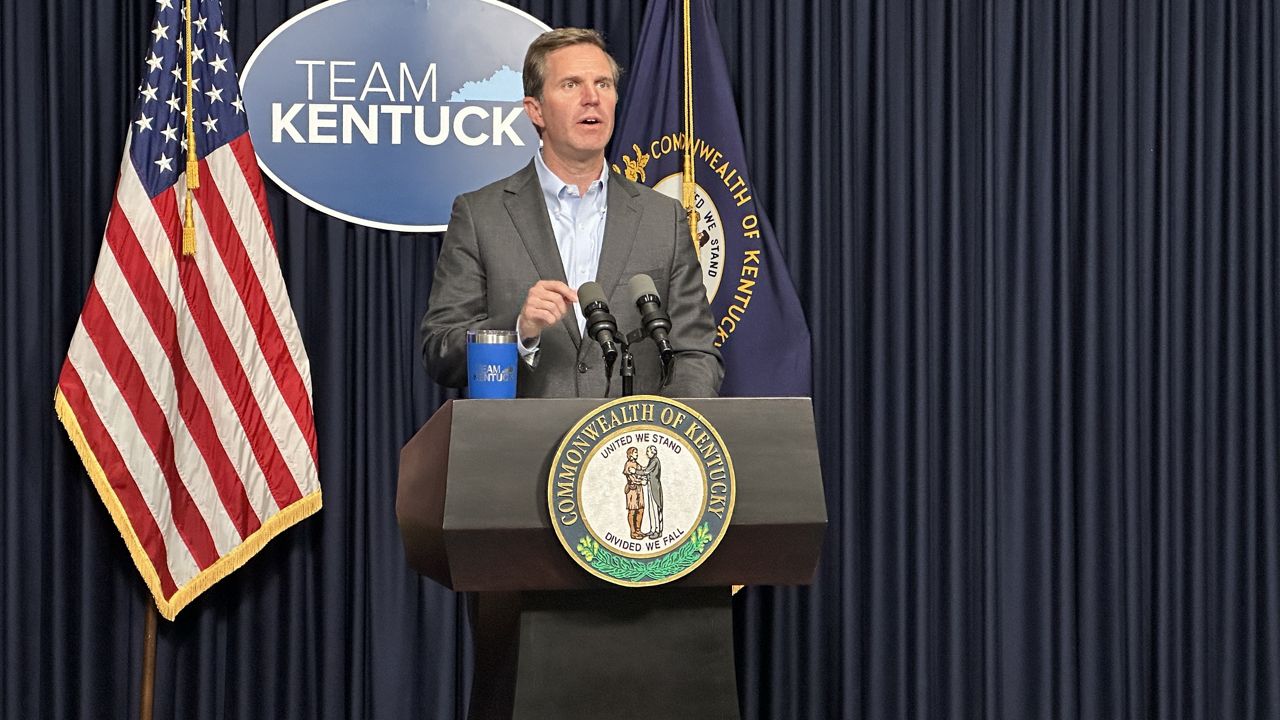
Gov. Andy Beshear and fellow Democratic officials stepped forward to oppose the proposal, framing it as a shift that could tighten access to federal loans for some students. Their public stance signals a broader strategy to mobilize educators, students, and parent groups around concerns about affordability and opportunity in an era of rising college costs. While details of the proposed change are not fully disclosed in this briefing, the stated aim appears to recalibrate eligibility criteria, potentially altering which borrowers qualify for federal support and how benefits are distributed.
Electoral Implications for 2026
Education funding and student debt have consistently ranked high in voters’ policy concerns. Democratic leaders’ vocal opposition to the proposal underscores several strategic angles for the 2026 cycle:
- Voter mobilization: Aligning with students, families, and academic communities can energize a core coalition around higher education policy.
- Issue framing: The debate positions Democrats as protectors of access to education and financial stability for working and middle-class households.
- Opponent contrast: The stance provides a tangible contrast with proponents of streamlining or reforming federal loan programs, potentially shaping debates on entitlement programs and fiscal responsibility.
- Policy credibility: How regulators justify changes to loan eligibility will influence perceptions of administrative competence and trust in federal policy-making.
Public & Party Reactions
The opposition from state and national Democratic figures reflects concern about equity and long-term financial risk to borrowers. Supporters of the proposal may argue that recalibrating eligibility could improve program sustainability, curb misuse, or better target aid to needier students. Public reaction is likely to vary by demographic, with students and families directly impacted by borrowing costs watching closely, alongside educators, higher education leaders, and policymakers who weigh the balance between program integrity and broad access.
What This Means Moving Forward
- Regulatory trajectory: The proposal’s fate hinges on regulatory review, administrative priorities, and potential pushback from lawmakers, educational institutions, and borrower advocates.
- Stakeholder engagement: Expect intensified dialogue among universities, student unions, and financial aid offices as they interpret eligibility changes and communicate consequences to students.
- Budget and risk considerations: Changes to loan eligibility could influence federal outlays, default risk, and the perceived burden on taxpayers, prompting further legislative or administrative checks.
- 2026 policy debate: The issue is likely to be part of a broader discourse on higher education funding, affordability, and the role of government in supporting or restructuring student debt relief.
Key Takeaways for Readers
- The administration is weighing a fundamental change to who can access federal student loans, a move with immediate and longer-term implications for borrowers and institutions.
- Democratic leaders are framing the proposal as a risk to access and affordability, leveraging it as a strategic issue ahead of the 2026 elections.
- The outcome will depend on how critics and supporters mobilize, interpret, and respond to the policy details, as well as how the broader political environment influences regulatory decisions.
Context and Perspective
This development sits at the intersection of education policy, fiscal regulation, and electoral strategy. As higher education costs continue to outpace wage growth, the framing of loan eligibility remains a potent political tool. Stakeholders should monitor regulatory updates, stakeholder testimonies, and any legislative responses that may accompany the administration’s proposal. The debate will likely shape perceptions of who benefits from federal loan programs and how access to higher education is safeguarded in a competitive political climate.