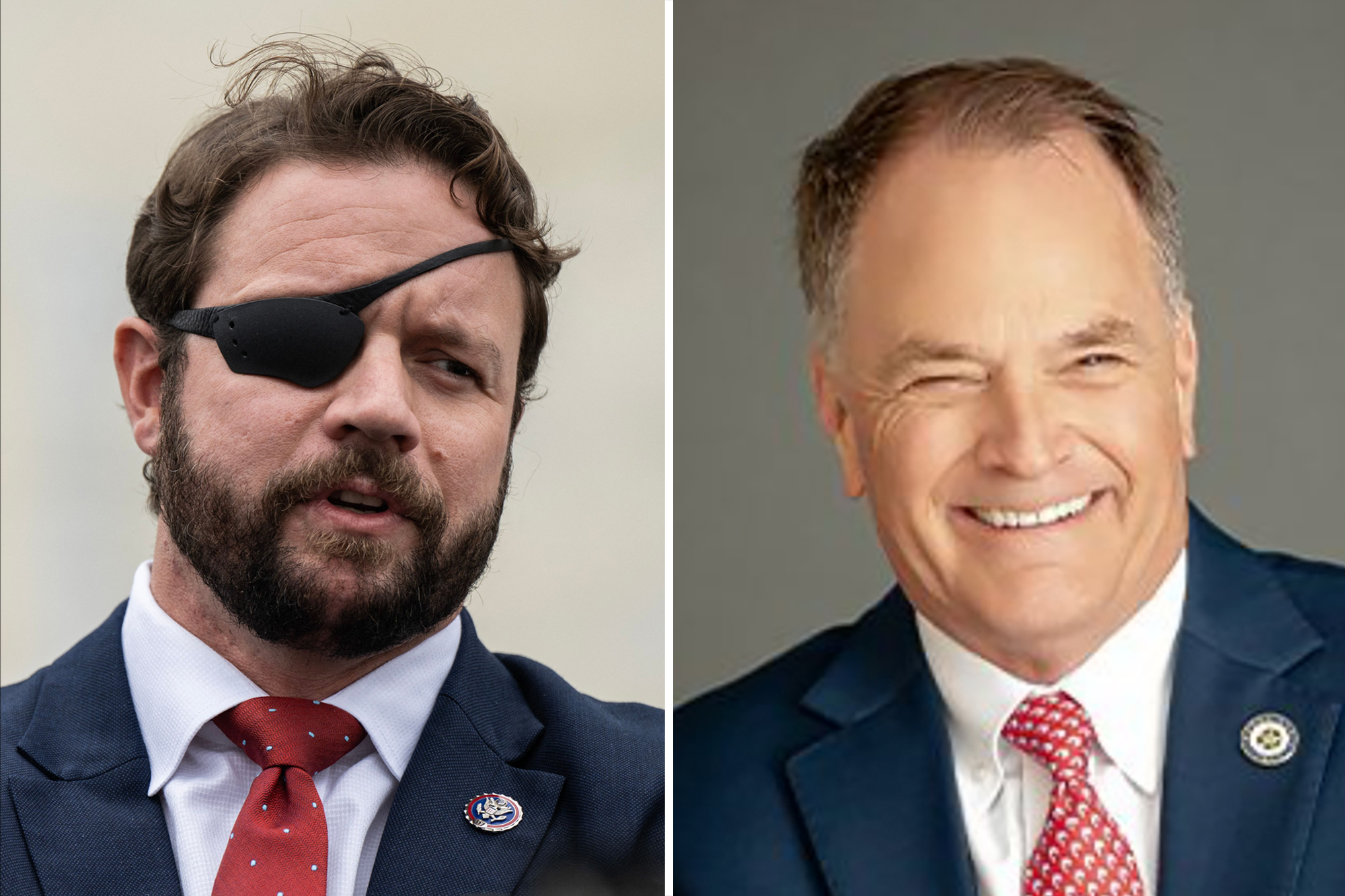
Strategic Overview
In a tightly watched Texas GOP primary, incumbent Congressman Dan Crenshaw appears to be faltering in early returns, with State Rep. Steve Toth edging ahead at the outset. The dynamic is notable not only for the challenger’s momentum but for the broader signals it sends about intra-party fault lines, media scrutiny, and the appetite among Republican voters for different styles of leadership ahead of the 2026 cycle. Crenshaw’s national profile, built on a strong stance against populist pressure and a media-focused, high-visibility approach, now faces a more localized test as early results tilt toward a candidate with deep statehouse roots and a sharper focus on district-level concerns. This development could reshape campaign strategy and candidate messaging across closely watched GOP primaries.
What Just Happened
Early returns in the Texas GOP primary indicate Steve Toth maintaining a lead over Dan Crenshaw, challenging the perception of a secure incumbent advantage. Crenshaw has faced sustained critique from segments of the right-wing media and some grassroots voices, arguing that his alignment with national and Washington-centered strategies may not fully resonate with all Republican voters in his district. Toth’s campaign has leaned into state-level advocacy, conservative governance credentials, and a narrative that underscores readiness to champion district priorities. The unfolding vote tally suggests a competition of narratives: Crenshaw’s national profile versus Toth’s district-focused, outsider-with-insider credibility. The result is a reminder that local dynamics can meaningfully shape a national political career, especially in an era where media amplification can influence voter sentiment even before final tallies are in.
Electoral Implications for 2026
Should the early trend hold, the Crenshaw-Toth contest could have ripple effects beyond this district. For Crenshaw, a stinging early setback would necessitate recalibrating campaign messages to reconnect with core Republican constituencies, including fiscal conservatives, national-security hawks, and voters prioritizing tangible local results. The episode could push Crenshaw toward more district-visible wins, town-hall engagement, and policy propositions that demonstrate immediate benefits to his constituents. For Steve Toth, a leading position at this stage provides a platform to expand the message beyond district lines, potentially positioning him as a viable alternative voice on national issues who can translate local governance experience into broader GOP appeal. The race may also influence intra-party power dynamics, signaling to candidates and donors that district-level strategizing and media management can be as decisive as nationally prominent branding in the early stages of a primary.
Public & Party Reactions
Public reaction to early returns often hinges on perceived authenticity and responsiveness. Crenshaw’s supporters may argue that late-breaking movement in the tally doesn’t reflect the eventual outcome, emphasizing turnout fluctuations and late-swing voters. Critics aligned with right-leaning media narratives could view the early lead as evidence of a broader challenge to Crenshaw’s alignment with national-level policy debriefs and appearances. For party officials and strategists, the developing result underscores the importance of balancing national profile with district-first messaging to maintain broad-based enthusiasm. Expect continued emphasis on fundraising, field operations, and micro-targeted voter outreach as campaigns attempt to convert early momentum into a durable lead.
What This Means Moving Forward
Looking ahead, the dynamic of a Crenshaw lead being challenged by a district-focused opponent invites a strategic reorientation for both campaigns. Crenshaw may prioritize:
- Strengthening district-first messaging with tangible local wins, such as economic development initiatives or constituency services.
- Reaffirming commitment to core Republican priorities that resonate with primary voters, including border security, strong defense, and fiscal discipline.
- Expanding ground game and11 targeted outreach to suburban and rural precincts where turnout shapes primary outcomes.
Steve Toth could leverage early momentum to:
- Build a coherent narrative linking state governance experience with national readiness.
- Highlight policy proposals that demonstrate immediate district improvements while signaling readiness to tackle national issues.
- Expand donor engagement by presenting a plausible pathway to a broader GOP leadership role.
Regardless of the outcome, this primary reveals a broader dynamic in 2026 electoral strategy: district-level authenticity, effective media management, and nimble adaptation to shifting voter sentiments can be as consequential as expansive national branding. Campaigns that optimize both spheres—local results and national relevance—will likely perform best in a polarized, highly scrutinized political environment.
Conclusion
The early lead in this Texas GOP primary is a reminder that the path to nationwide influence still travels through local turf. As Crenshaw and Toth navigate the next phase of the race, campaigns will be measured not just by policy positions but by how effectively they translate those positions into tangible district benefits, resonant messaging, and disciplined voter outreach. For analysts and voters, the takeaway is clear: 2026 GOP primaries may hinge on the ability to blend national stature with district-level accountability, and early results often foreshadow a longer, more consequential battle for influence within the party.