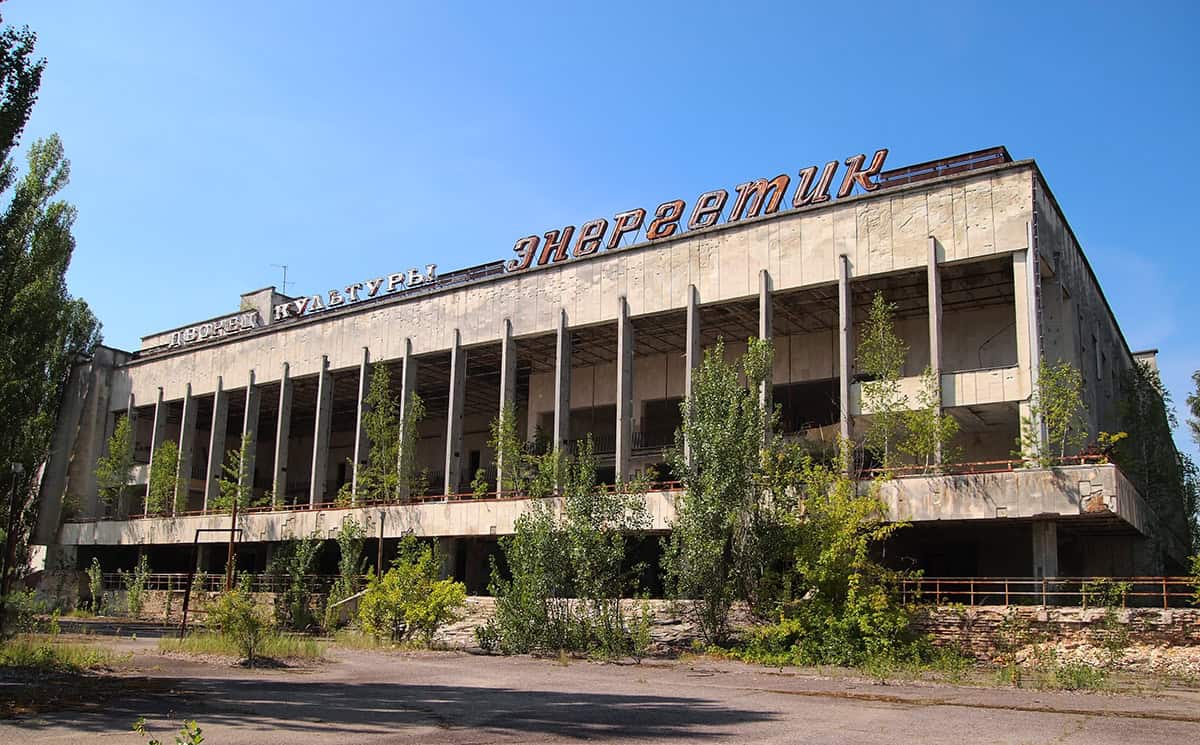
Chernobyl at 40: physics, politics and the nuclear debate today
Nuclear safety officials mark the 40th anniversary of the Chernobyl disaster, highlighting improvements in reactor design, containment, and emergency response that have reshaped global regulatory standards. Analysts note that while the incident remains a pivotal case study in risk assessment and crisis communication, contemporary energy debates increasingly weigh climate goals and energy security against concerns about waste management and long-term safety.
Experts discuss how public perception of nuclear power has evolved, with renewed interest in next-generation reactors and small modular designs, yet persistent skepticism about transparency and long-term environmental impacts. Policy makers emphasize stronger international collaboration, enhanced safety culture, and stricter oversight to prevent recurrence while weighing the role of nuclear energy in reducing carbon emissions.
The anniversary also prompts scrutiny of disaster preparedness, with communities near aging plants urging updates to evacuation planning, radioecology monitoring, and equitable access to rapid response resources. Scientific terrains advance in modeling accident scenarios, accident-tolerant fuels, and ongoing decommissioning challenges, underscoring a nuanced debate between scientific progress and societal acceptance.