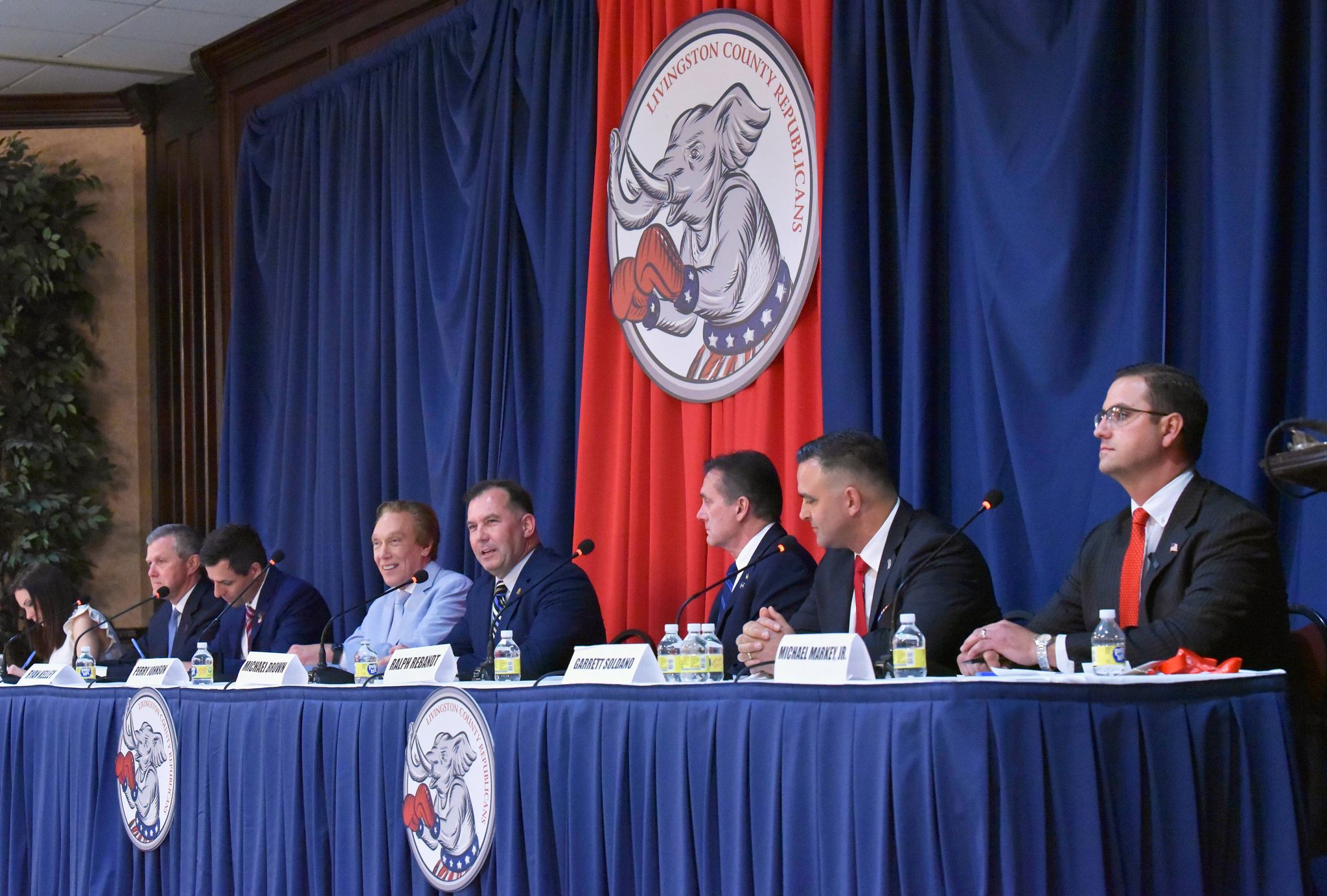
In a development that highlights ongoing tensions around ballot access and election integrity, a central figure in Michigan’s 2022 petition scandal has been sentenced to a prison term of at least four years. The case, which disrupted several Republican gubernatorial campaigns, underscores how legal accountability can reshape political competition and policy debates ahead of future elections.
Overview
The Michigan episode centers on alleged manipulation of petition drives meant to secure gubernatorial candidates’ spots on the ballot. The sentencing, which commits the individual to four-plus years in prison, elevates the stakes for anyone involved in petitioning, signature gathering, or the broader regulatory framework governing how a candidate qualifies to run. While the precise charges and defendants extend beyond a single figure, the judgment signals a high bar for compliance with signature-verification rules and related campaign paperwork.
What Just Happened
- A defendant linked to the 2022 petition activity received a four-year minimum sentence, with potential additional time depending on aggravating factors or sentencing guidelines.
- The ruling casts a spotlight on how criminal enforcement intersects with electoral process protections, particularly when petition mechanics determine which candidates appear on the ballot.
- Critics argue the incident demonstrates vulnerabilities in the petition system, while supporters contend that firm penalties deter bad-faith actors and preserve the integrity of the process.
Public and Party Reactions
- Advocates for stricter petition oversight emphasize deterrence: the case serves as a tangible reminder that violations of petition and candidacy rules have serious consequences.
- Opponents worry about chilling effects: overly harsh penalties could deter legitimate grassroots efforts or suppress political participation in communities with limited access to organized volunteer networks.
- Within party circles, the episode has reignited debates about ballot-access fairness, signature thresholds, and the role of election officials in policing candidacy eligibility.
Policy and Regulatory Context
- The incident arrives amid broader national conversations about how petition thresholds and signature verification procedures influence competitive balance in elections.
- Reform advocates push for clearer, more auditable processes: standardized verification, centralized tracking of signatures, and independent oversight to reduce the risk of manipulation or inadvertent errors.
- Critics warn against overreaching regulation that could suppress legitimate candidate recruitment or create administrative bottlenecks in the run-up to elections.
Implications for 2026 and Beyond
- Legal precedent: The sentencing reinforces the seriousness with which signature-related offenses are treated and could increase the likelihood of prosecution for similar actions in other states.
- Electoral strategy: Campaigns may prioritize robust compliance checks, third-party audits of petition drives, and transparent reporting to safeguard candidacy and public trust.
- Governance and accountability: The case may accelerate calls for clearer statutory language around petition validity, signature counts, and the permissible roles of professional petitioners or political consultants.
What Comes Next
- The convicted individual will begin serving a prison sentence, with potential appeals or additional sentencing considerations that could influence the final duration.
- Michigan lawmakers and election officials might revisit petition-related statutes, focusing on verifiability, signature authenticity, and penalties for violations.
- Political observers will monitor whether the ruling shapes candidate recruitment, fundraising, and early campaigning discipline for upcoming statewide races.
Bottom line
The Michigan case demonstrates that electoral procedural integrity remains a live battlefield in U.S. politics. As 2026 approaches, the balance between accessible ballot access and rigorous safeguards will continue to shape campaigns, legal scrutiny, and public confidence in the electoral system. Stakeholders across parties will watch carefully how prosecutors, judges, and lawmakers respond to the lessons embedded in this ruling.