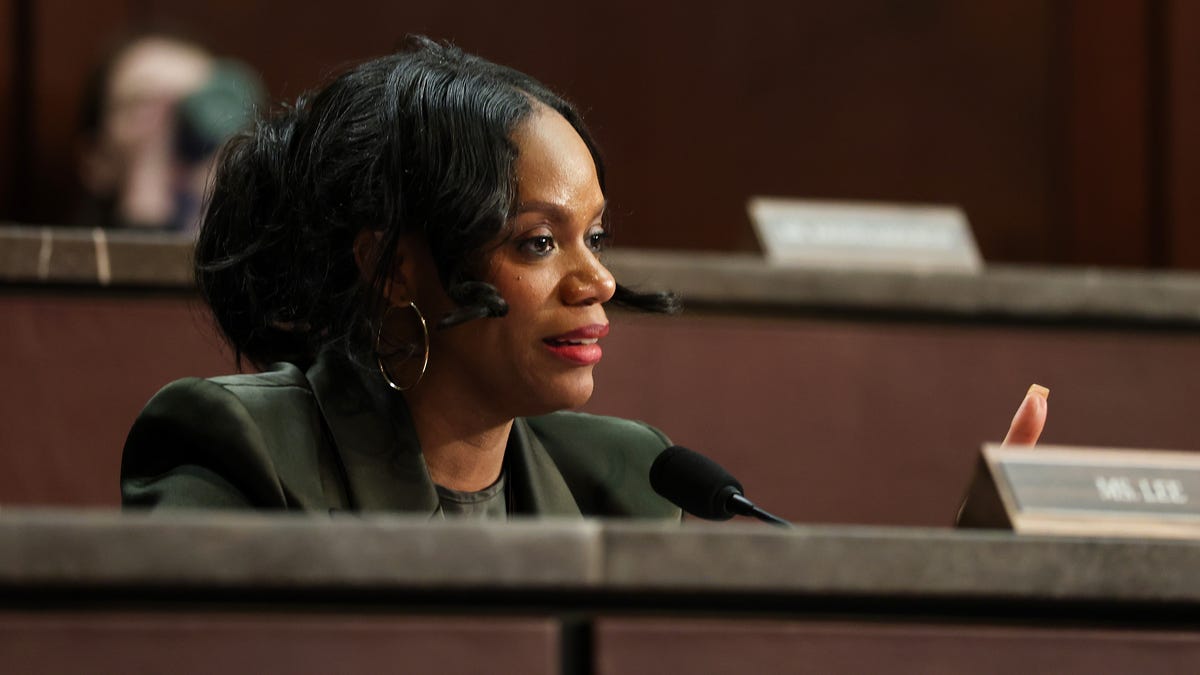
Summer Lee’s trajectory from Pittsburgh-area representative to a voice shaping national policy signals a notable shift in how Pennsylvania’s 12th District is positioned within the broader contours of Congress in 2026. Since her 2022 election victory, Lee has emerged as part of a new generation of Democratic lawmakers who blend progressive priorities with a practical approach to governance. While local attention remains centered on Pittsburgh’s neighborhoods and Allegheny County’s economic base, her role in Washington reflects a broader strategy for the Democratic caucus as it navigates inflation challenges, fiscal constraints, and a shifting political landscape ahead of the 2026 midterms.
Context: Pennsylvania’s 12th District and the Pittsburgh political ecosystem
The district includes diverse urban and suburban communities in Pittsburgh and surrounding Allegheny County. That mix creates a demand for robust infrastructure investment, transit improvements, and workforce development while balancing concerns about taxation, regulatory burdens, and public safety. Lee’s political posture—rooted in coalition-building and data-driven policy proposals—aims to translate local priorities into federal action. Her approach emphasizes community needs, upward mobility, and inclusive economic growth, aligning with broad Democratic aims to demonstrate tangible results from governance.
What Summer Lee represents in 2026
- A policy-forward, district-aware member: Lee’s work reflects a focus on issues that directly affect everyday life—cost of living, job creation, and quality-of-life improvements—while also signaling willingness to engage in policy debates at the national level on how to finance and implement social and economic programs.
- A strategic coalition-builder: In the current Congress, members who can broker votes and unify diverse caucus factions are pivotal. Lee’s ability to navigate intra-party dynamics, align with progressive priorities, and negotiate with centrists matters for advancing flagship legislation on housing, energy transition, and social equity.
- A communicator of local relevance on a national stage: Her Pittsburgh-rooted perspective helps connect federal policy discussions to real-world outcomes, from local steel communities to modern tech-enabled manufacturing ecosystems. This grounding can influence how national proposals are designed to maximize impact on Rust Belt economies.
Policy posture and potential legislative pathways
- Economic and infrastructure investments: Given her district’s needs, Lee’s stance on infrastructure funding, transit expansion, and workforce development is likely to emphasize job creation and resilience. Expect advocacy for projects that connect neighborhoods to regional hubs, improve safety and mobility, and support small-to-mid-sized manufacturers.
- Social equity and community investment: Lee’s broader policy lens includes expanding access to healthcare, affordable housing, and education opportunities. As Congress debates eligibility, cost controls, and delivery mechanisms for social programs, her votes and messaging will aim to demonstrate measurable community benefits.
- Regulatory balance and innovation: As Pittsburgh and its environs host a growing tech and energy sector, Lee may push for policies that balance environmental safeguards with innovation incentives. This could involve clean energy investment, workforce retraining, and support for local research institutions and startups.
Public and party reactions
- Local constituents: People in Pittsburgh and Allegheny County will watch closely how federal funding translates into tangible improvements—more reliable transit, safer neighborhoods, better schools, and job opportunities. Positive outcomes could solidify Lee’s support among urban voters and working families.
- National Democrats: Lee’s alignment with progressive priorities, combined with a pragmatic approach to policy design and funding, could position her as a reliable vote for key bills, especially those prioritizing equity and infrastructure. Her credibility as a district-focused legislator may help the party present a coherent narrative of results-based governance.
- Opposition dynamics: Critics may scrutinize the feasibility and cost of proposed programs, particularly given national budget pressures. How Lee frames trade-offs between investments and fiscal restraint will shape debates within and beyond her party.
What comes next
- Legislative trajectory: Lee’s next steps will likely involve introducing or co-sponsoring bills tied to her district’s economic priorities, while leveraging committee assignments to influence policy in transportation, housing, and urban development.
- Community engagement: Expect continued town halls, district visits, and publication of district-focused analyses to demonstrate accountability and track results from federal initiatives affecting Pittsburgh’s neighborhoods.
- Electoral signaling: As the 2026 midterms approach, Lee’s performance on delivering concrete benefits to constituents could become a focal point, informing both her political standing and the strategic calculations of Democrats seeking to maximize gains in Pennsylvania and similar districts.
In summary, Summer Lee’s role as a Pittsburgh-to-Washington lawmaker in 2026 centers on turning district-level needs into national policy outcomes. Her work embodies a blend of progressive ideals with practical governance, aiming to deliver measurable improvements for her constituents while contributing to the Democratic Party’s broader legislative agenda.