Overview
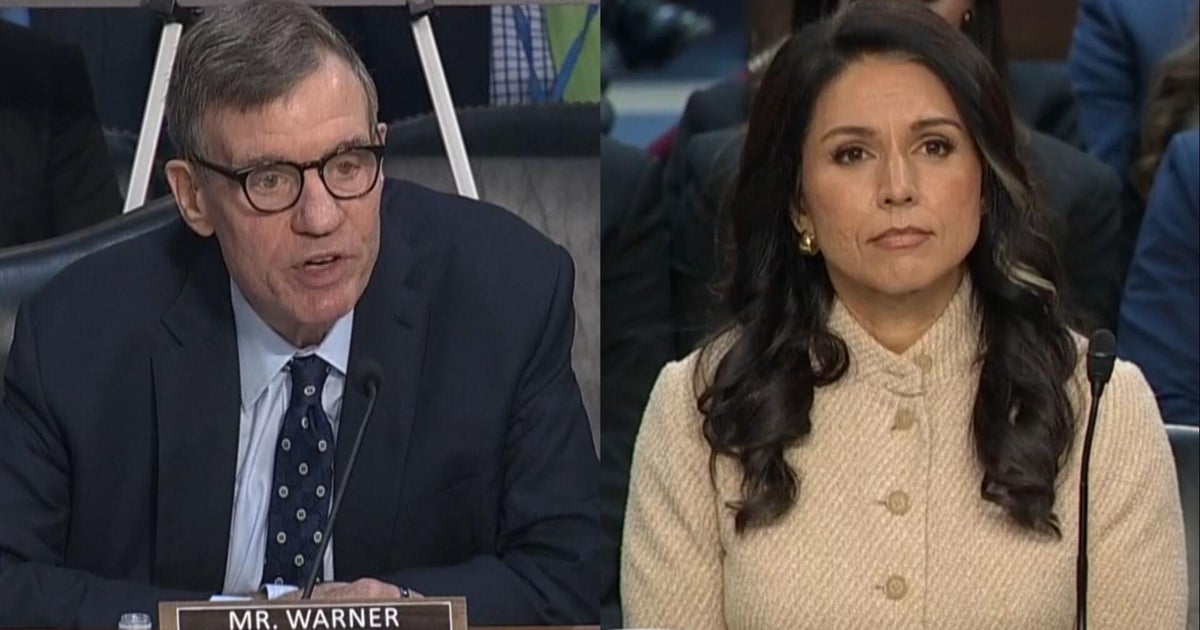
A new dispute has spotlighted concerns about the boundaries between political influence and formal power. In a televised moment, a prominent political figure leveled sharp accusations that a former congresswoman and current political actor leveraged her influence to meddle in domestic political affairs. The exchange underscores ongoing debates about accountability, ethics rules, and the evolving role of non-traditional actors in U.S. politics. For analysts, the episode is more than a sensational clash—it’s a barometer of how power, perception, and policy interact in an increasingly crowded field of political actors.
What Just Happened
The core of the controversy centers a claim that a high-profile former politician used her capacities—public reach, organizational clout, and informal influence—to shape or undermine domestic political processes. The accusation touches on sensitive questions: when does influence cross into interference, what are the lines for private individuals engaging in public policy debates, and how should institutions respond when the rhetoric or actions appear to blur the boundary between advocacy and interference?
The discussion also reflects broader strategic concerns within U.S. politics. Supporters of the accuser argue that unchecked influence erodes democratic processes and requires clearer guardrails. Critics caution against overreach, arguing that free speech and political participation include a wide range of activities, even those that push policy discussions into the public square. The exchange thus becomes a focal point for ongoing debates about political ethics, oversight, and regulatory boundaries.
Public & Party Reactions
Reaction has been swift and polarized. Supporters of the accuser frame the incident as a necessary reminder that influence must be bounded by legal and ethical norms. They emphasize the need for accountability mechanisms, including stronger disclosure rules for activities by former officials and prominent political actors who command broad audiences.
Opponents and critics warn against conflating advocacy with coercion or interference. They warn that tightening rules could chill legitimate political participation and social advocacy. The discussion also touches on party dynamics: factions within major parties are weighing how to respond to perceived threats to the integrity of domestic political processes, and how to calibrate messaging around influence, power, and legitimacy ahead of future elections.
Policy Snapshot
At stake is whether existing frameworks sufficiently deter or punish abuse of influence in domestic politics, or whether new norms and regulatory tools are warranted. Potential policy considerations include:
- Clarifying the boundaries of permissible activity for former lawmakers and high-profile political figures when engaging in political discourse publicly.
- Expanding disclosure requirements around paid or sponsored political advocacy and appearance-based influence.
- Strengthening enforcement channels for deemed interference in domestic political processes, including sanctions or reputational consequences.
Who Is Affected
The implications touch several groups:
- Former officials and influential figures who rely on large platforms to shape policy conversations.
- Political organizations that mobilize support through networks and media channels.
- The general public, whose understanding of acceptable influence shapes trust and engagement in democratic processes.
- Regulators and oversight bodies tasked with safeguarding electoral integrity and public discourse.
Economic or Regulatory Impact
Direct economic impacts may be limited in the immediate term, but the broader regulatory environment could tighten. Possible effects include:
- More rigorous compliance expectations for public figures engaging in political campaigns or policy advocacy.
- Increased scrutiny from ethics watchdogs and potential enhancements to disclosure frameworks.
- Caution among media and technology platforms about amplifying content from high-profile figures in politically sensitive contexts.
Political Response
Several lawmakers are calling for clarifications and potential reforms, arguing that clear guardrails help preserve the integrity of domestic politics. Others urge restraint, warning that overly prescriptive rules could curtail legitimate political participation and free expression. The episode may influence committee discussions on political ethics, campaign finance disclosures, and platform accountability.
What Comes Next
Looking ahead, expect:
- Hearings or inquiries from oversight committees examining the boundaries of influence in domestic politics.
- Debates over potential amendments to ethics and disclosure regulations for former officials and political influencers.
- A broader media and public dialogue about the balance between free speech, advocacy, and interference in democratic processes.
- Strategic positioning by political actors as they navigate the line between legitimate advocacy and perceived meddling.
Context and Analysis
The tension captured by this incident sits at the intersection of leadership, governance, and the evolving rules of political engagement in the digital era. As platforms democratize influence, the distinction between legitimate advocacy and interference becomes more nuanced. For policymakers, the central question is how to preserve open political discourse while ensuring accountability and safeguarding the integrity of domestic politics. For voters, the episode is a reminder to scrutinize sources of influence, understand disclosure norms, and demand transparent standards for political engagement from all actors—whether they hold office, have held office, or command substantial platforms.
In a rapidly shifting political landscape, this moment reflects a broader caution: as influence multiplies beyond traditional institutions, the demand for clarity, accountability, and reasonable guardrails will only grow. The coming months will likely bring renewed focus on regulatory, ethical, and transparency frameworks designed to navigate the complexities of modern political power.