Overview
Tensions resurfaced on Capitol Hill as Sen. Rand Paul pressed Sen. Markwayne Mullin about past remarks that praised violence as a political response. The exchange centered on Mullin’s earlier statements that he “completely understood” why some individuals might attack political opponents, a comment Paul used to question whether Mullin is fit to oversee the Department of Homeland Security. The moment underscored ongoing Senate scrutiny of leadership picks and the durability of past rhetoric in shaping current governance decisions.
What Just Happened
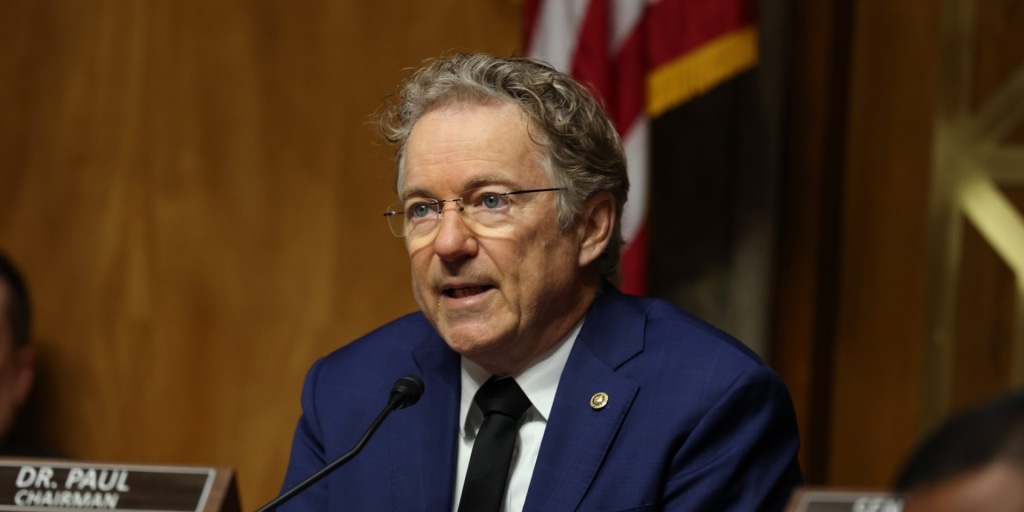
During a routine Senate hearing related to national security and domestic policy, Paul zeroed in on Mullin’s past commentary. Paul’s pointed questions aimed to unearth whether Mullin’s stance on political violence reflects the temperament expected from a top Homeland Security official. Mullin, a Republican senator from Oklahoma, faced a direct test of his judgment and suitability for leading a department responsible for safeguarding the nation’s internal security, border integrity, and critical infrastructure.
Public & Party Reactions
Reaction to the exchange was swift across political pundits and advocacy groups. Jurists and security experts noted that leadership credibility often hinges on consistency between stated values and policy actions. Critics argued that shifts in tone or past endorsements of violence could undermine public trust in a department tasked with protecting democratic processes. Supporters contended that Mullin’s broader legislative record demonstrates commitment to national security and conservative governance. The episode fed into the broader narrative of evaluating DHS leadership through a lens of civility, rule of law, and effective governance.
Policy Snapshot
At the heart of the debate is not a single policy but the philosophy guiding DHS leadership. Critics warn that endorsing or excusing violence undermines the ethical framework necessary for coordinating federal responses to domestic threats, civil unrest, and terrorism. Proponents argue that leadership must be measured by outcomes—immigration enforcement, disaster response readiness, and cyber and infrastructure protection—while still maintaining constitutional rights and civil liberties. The exchange signals the Senate’s ongoing effort to weigh character, judgment, and past statements in consequential confirmations.
Who Is Affected
- DHS’s strategic direction and internal culture: Leadership choices shape how policy is prioritized, including border security, counterterrorism, and disaster readiness.
- Public trust in federal governance: Confidence in federal agencies depends on consistent, principled leadership.
- Political dynamics in 2026: Confirmations remain a flashpoint in a polarized environment, influencing subsequent legislative agendas and funding decisions.
Economic or Regulatory Impact
While the exchange does not immediately alter budgets or regulations, it affects the political environment surrounding DHS funding, personnel policies, and program emphasis. A leader perceived as strong on security but potentially undermining democratic norms could influence how Congress allocates resources for border screening, disaster preparedness, and cyber defense. In the longer term, the rhetoric surrounding leadership qualification can impact regulatory priorities and interagency coordination.
Political Response
- From the Left: Emphasize the import of responsible leadership in safeguarding constitutional rights and preventing political violence; call for rigorous scrutiny of nominees’ past statements and future actions.
- From the Right: Highlight experience in national security and legislative acumen; argue for evaluating decisions by policy results and governance effectiveness rather than rhetoric alone.
- Within Congress: The episode contributes to broader oversight tactics and confirmation politics, potentially shaping how future DHS nominees are vetted and how much weight is given to past comments in public service.
What Comes Next
- Additional hearings and questions from senators on DHS leadership criteria, civil liberties, and emergency preparedness might follow.
- The administration and the nominee may publish clarifications or seek to reframe their positions on political violence and democratic norms.
- The broader confirmation process for DHS leadership could become more collision-prone, reinforcing the trend of using rhetoric accountability as a proxy for governance competency.
Forward-Looking Analysis
This confrontation illustrates a evolving standard in Senate confirmations: voters expect nominees to demonstrate both policy expertise and a commitment to civil discourse. As domestic security challenges grow—from violent extremism to cyber threats and disaster resilience—the legitimacy of leadership hinges on a balance between tough policy stances and steadfast adherence to constitutional processes. The outcome of this discussion could influence how future DHS nominees are evaluated, not only on policy credentials but also on character and the ability to navigate a polarized political landscape without eroding public trust.
Tone and style notes
- The article maintains a professional, analytic tone suitable for a U.S.-based political analysis website in 2026.
- It presents a concise, but comprehensive, narrative of the exchange and its implications for governance, oversight, and policy direction.
- Paragraphs are kept short for readability, with clear sectioning to aid skimming and SEO.