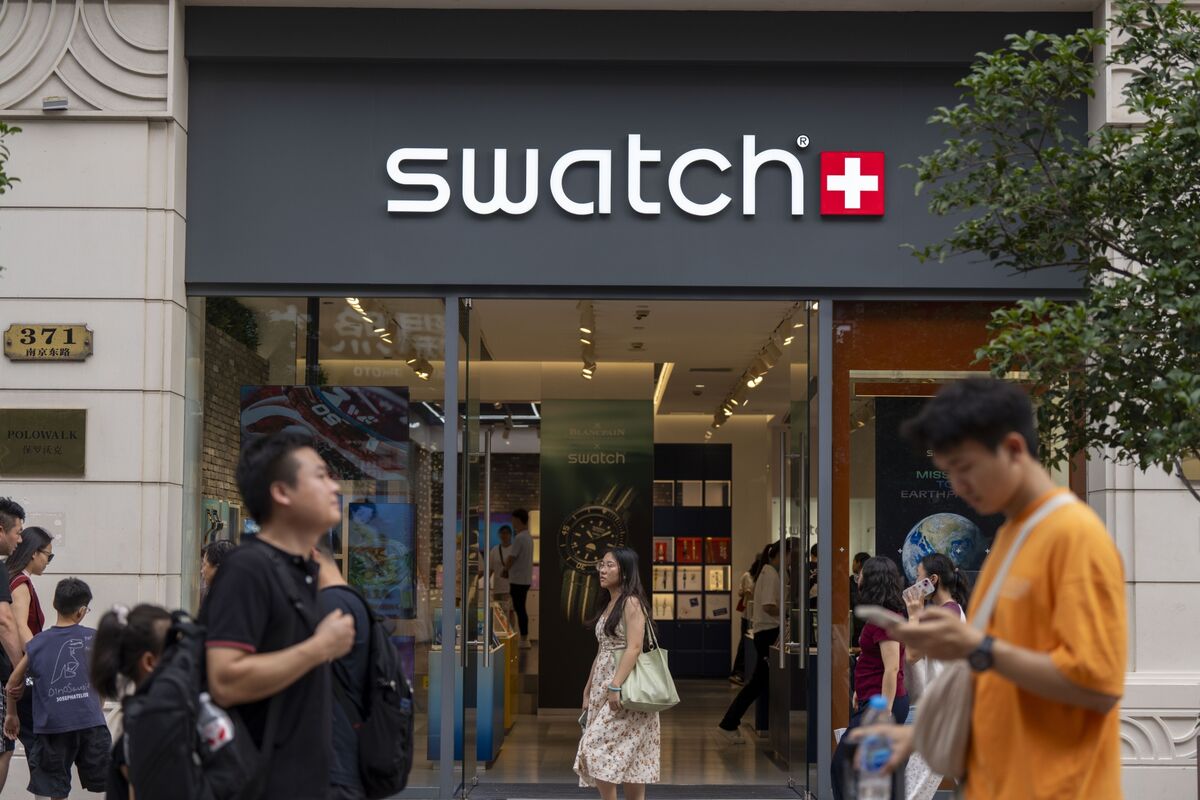
Swatch Group AG has signaled that the headaches stemming from tariffs and broader trade disruption are likely to endure through 2026, underscoring how policy choices and geopolitical frictions are reshaping the luxury goods sector. The looming question for policymakers, industry players, and investors is not whether disruption will abate, but how companies will adapt to a persistently unpredictable international trade environment.
Overview: a sector under pressure
The Swiss watchmaker’s stance reflects a wider reality: tariffs, compliance costs, and complex supply chains have become entrenched risks for luxury brands that rely on delicate global networks. In recent years, tariff measures linked to trade frictions between major economies have added layers of cost to raw materials, manufacturing, and distribution. For a sector that competes on craftsmanship, precision, and brand storytelling, even modest tariff spikes can translate into pricing pressures, margin compression, and slower demand growth.
What’s at stake for the industry
- Price stability versus cost volatility: Tariffs raise input costs and can compel brands to adjust retail prices, dampening demand in price-sensitive segments without sacrificing perceived value.
- Supply chain resilience: Luxury groups increasingly map alternative suppliers, diversify sourcing regions, and invest in inventory strategies to cushion against disruption.
- Market access and regional strategy: Tariff environments influence how brands allocate production, where they open new distribution channels, and which regions receive targeted marketing efforts.
Policy and economic implications
The ongoing friction highlights several areas for attention:
- Trade policy coordination: Persistent tariff threats and retaliatory measures can undermine global demand for high-value goods and complicate international expansion plans.
- Regulatory clarity: Companies need transparent rules around tariffs, exemptions, and customs procedures to optimize sourcing and pricing strategies.
- Economic resilience measures: Companies and policymakers may pursue strategic reserves, hedging against currency and cost volatility, and support for workforce training in affected sectors.
Who’s impacted
- Manufacturers: High-value, globally sourced goods face higher operating costs and longer lead times.
- Retail networks: Multi-channel strategies must absorb fluctuations in consumer demand while maintaining brand integrity.
- Consumers: End-users could see steadier pricing if policies stabilize, or higher prices if tariffs intensify or supply constraints tighten.
What comes next
- Monitoring policy shifts: Investors and executives should closely track tariff policy developments, regional trade talks, and any new supply chain safeguards.
- Diversification plays: Expect continued diversification of supplier bases, geographic manufacturing, and strategic stockholding to mitigate risk.
- Collaboration with policymakers: The industry may advocate for predictable tariff regimes and faster clearance processes to sustain competitiveness.
Strategic takeaways for 2026
- Prepare for continued cost pressures: Companies should model scenarios with sustained tariff levels, including potential price pass-throughs and revised product mix.
- Invest in resilience: Supply chain traceability, alternative materials, and automation can help reduce vulnerability to external shocks.
- Embrace policy dialogue: Active engagement with trade authorities can help shape more stable operating environments and preserve consumer confidence in luxury brands.
This ongoing dynamic between policy choices and global trade realities will shape how luxury goods companies price, source, and position themselves in a more uncertain decade. Stakeholders across government, industry, and finance will need a clear, proactive playbook to navigate tariffs, disruption, and the evolving expectations of a global consumer base.