Overview
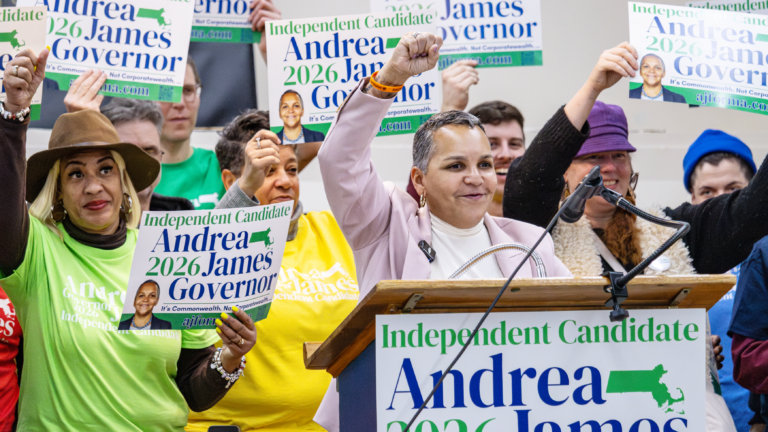
Andrea James, a former prisoner who has become a leading criminal justice advocate, has announced a bid for governor. With a messaging shift centered on deploying the state’s substantial wealth to address residents’ needs, her campaign positions itself as a practical, people-first alternative in a crowded political landscape. The launch clip, featuring James articulating a broad belief in using state wealth for public benefit, signals a strategy built on policy clarity, fiscal pragmatism, and tangible governance outcomes.
What Just Happened
James’ campaign materials and public remarks frame wealth as a governance instrument rather than a political slogan. The core proposition: redirect fiscal resources toward essential services, infrastructure, and programs that directly improve everyday life for working families. This approach seeks to translate advocacy for criminal justice reform into broad-based economic and social policy, arguing that equity and opportunity hinge on smarter public investment. The message is designed to resonate with voters who feel left behind by traditional economic growth narratives, tying reform credentials to a broader mandate for responsible stewardship of state resources.
Public & Party Reactions
Reaction to James’ gubernatorial bid is likely to hinge on two axes: credibility and policy specificity. Support from reform-minded voters and criminal justice advocates could grow if the campaign transparently links investments to measurable outcomes (education, healthcare access, public safety, and job creation). Critics may demand detail on budgetary implications, tax policy, and the mechanics of wealth reallocation—questions that will shape early debates within the party and among independent voters. As the race heats up, opponents will scrutinize the feasibility of re-prioritizing state wealth and the potential impact on services currently funded through existing budgets.
Policy Snapshot
At the heart of James’ platform is a proposed reallocation strategy: identify underutilized or inefficiently spent public funds and redirect resources to high-impact programs that improve living standards. This may involve prioritizing investments in:
- Education and workforce development to expand opportunity.
- Healthcare access and affordability to reduce out-of-pocket costs.
- Public safety and criminal justice reform funding that emphasizes prevention and community programs.
- Infrastructure and housing initiatives aimed at reducing cost burdens for families.
- Transparent budgeting processes to ensure accountability for how funds are allocated and tracked.
Who Is Affected
The policy approach targets a broad group: working families, low- and middle-income residents, and communities most impacted by economic insecurity and the criminal justice system. It also places attention on state employees and service providers who deliver critical public goods. The overarching aim is to widen the social safety net while improving the efficiency and effectiveness of public services.
Economic or Regulatory Impact
If implemented, James’ wealth-reallocation strategy would necessitate careful fiscal planning to avoid shortfalls in essential services. Possible mechanisms include:
- Performance-based budgeting to maximize ROI on public programs.
- Reallocating non-core or inefficient expenditures to priority areas.
- Ensuring revenue stability through growth-friendly taxes or reforming existing tax credits to close gaps.
- Strengthened oversight to prevent misuse and improve outcomes.
Economists and policymakers will assess trade-offs between immediate cost implications and long-term gains in productivity, health outcomes, and public trust.
Political Response
Expect a partisan split on this approach. Proponents will highlight its alignment with equity, accountability, and practical governance. Critics may raise concerns about tax implications, potential cuts to line-item budgets, or the risk of overpromising on what public dollars can achieve. The campaign will likely emphasize results-based governance, while opponents may demand granular policy plans and independent cost analyses.
What Comes Next
Key next steps include releasing a detailed policy roadmap, hosting joint forums with lawmakers to discuss budgeting reforms, and presenting pilot programs or state-level demonstrations to illustrate anticipated outcomes. As the debate unfolds, observers will watch for how the plan translates into legislative bi-partisan support, budget negotiations, and measurable indicators of success.
Conclusion
Andrea James’ gubernatorial bid introduces a governance-centric narrative focused on harnessing state wealth to meet residents’ needs. The credibility of the proposal will rest on concrete budgeting plans, transparent oversight, and a clear path from ambitious goals to tangible improvements in everyday life. For voters, the question becomes not only whether wealth should be directed toward public goods, but how efficiently and equitably those dollars can drive meaningful change across the state.