Overview
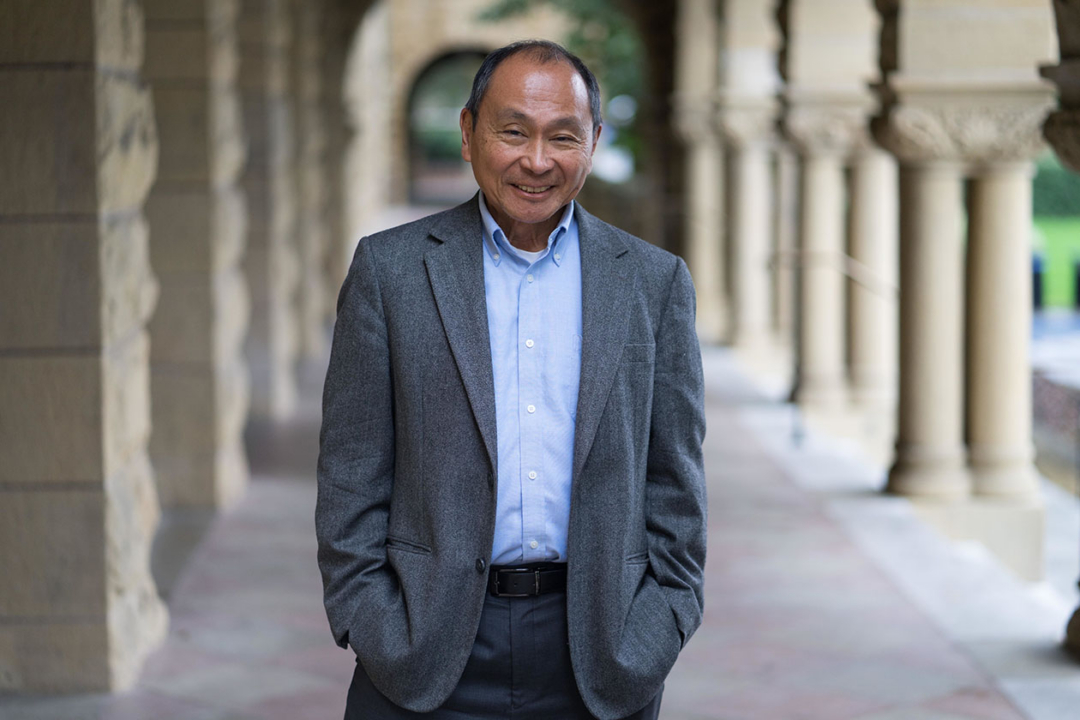
William & Mary has announced that acclaimed political scientist and author Francis Fukuyama will deliver the keynote at the university’s 2026 Commencement. The appearance underscores the institution’s Year of Civic Leadership, signaling an emphasis on governance, political thought, and public service as a centerpiece of the graduation season.
Situation and context
Fukuyama, known for his work in political theory and international relations, joins a tradition of high-profile commencement speakers who bridge academia, policy, and public life. The “Year of Civic Leadership” initiative at William & Mary frames the speaker lineup as more than ceremonial—it’s a statement about the university’s commitment to educating graduates for public roles, informed citizenship, and engaged governance in a complex political landscape.
Who is affected
- Graduates and their families, who will participate in a ceremony featuring a globally recognized thinker.
- Students across disciplines who are drawn to political science, international relations, law, public policy, and related fields.
- Faculty and alumni who see the event as a reflection of the university’s priorities around civic education and leadership.
What this signals about leadership and governance
The selection of Fukuyama situates the commencement within a broader narrative about governance challenges—democratization, institutional trust, and the practical implications of political theory in policy-making. His scholarship on state-building, governance capacity, and the dynamics of political order provides a framework for reflecting on the responsibilities of new graduates entering public life, non-profit sectors, or government service.
Implications for higher education and policy discourse
- Civic leadership as a differentiator: Colleges and universities are increasingly positioning themselves as incubators of public leadership. The Fukuyama speech can serve as a catalyst for campus conversations about governance, political philosophy, and the role of educated citizens in maintaining democratic norms.
- Relevance for policy education: For students studying public policy, international relations, and related fields, the keynote serves as a bridge between theoretical insights and practical policy challenges—such as governance reform, institutional resilience, and comparative politics.
- Engagement with public issues: The address is likely to encourage student involvement in community and civic initiatives, aligning graduation outcomes with tangible public service and leadership careers.
What comes next
- A broader campus dialogue: Expect accompanying events—seminars, think-tank discussions, and student-led debates—centering on Fukuyama’s themes of governance and civic responsibility.
- Media and public attention: The event will attract local, national, and academic media interest, potentially shaping how the university frames its mission around public leadership in subsequent communications.
- Long-term impact on alumni networks: The speech could influence alumni programming focused on public service careers, policy leadership, and international engagement.
Public and political response
While the announcement emphasizes inspiration and civic engagement, observers may assess how Fukuyama’s perspectives on political order and modernization resonate with current debates on democracy, institutional reform, and global governance. The reception will likely hinge on how students and faculty translate scholarly insights into practical leadership in local communities and national discourse.
What to watch
- The speaker’s core themes: Expect discussions on the resilience of liberal democracies, the role of institutions, and pathways for reform in a dynamic political environment.
- Campus programming tied to the address: Look for post-commencement seminars or initiatives that extend Fukuyama’s message into actionable civic engagement projects.
- Broader trend in commencement lineups: This selection may signal universities’ growing emphasis on governance-focused thought leaders to frame graduate pathways into public life.
In sum, Francis Fukuyama’s 2026 William & Mary Commencement address reflects a deliberate focus on civic leadership as a central objective of higher education. As graduates prepare to enter a world shaped by political complexity and governance challenges, the speech is positioned to catalyze thoughtful engagement with policy, public service, and the responsibilities of citizenship.