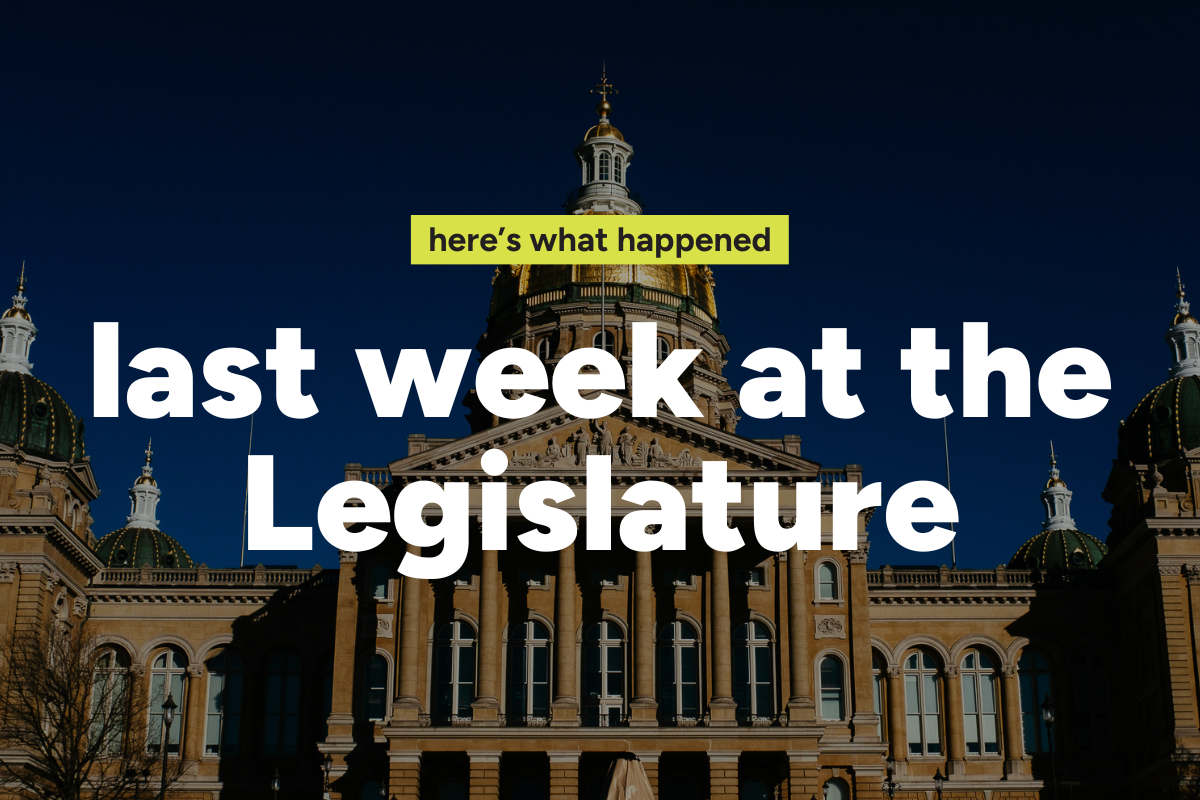
Overview
The Iowa political landscape in the week of March 9–13 delivered a mix of policy conversations, committee discussions, and strategic positioning from lawmakers. While not featuring any earth-shattering electoral upheavals, the period underscored persistent tensions between fiscal restraint, regulatory priorities, and the practical needs of Iowans. This analysis breaks down what happened, who was affected, and what the episodes portend for the rest of the legislative session.
Policy Snapshot
Across several committees and floor debates, lawmakers pushed forward proposals touching education funding, healthcare access, tax policy, and regulatory modernization. The week highlighted how lawmakers are balancing budget realities with pressing public concerns, including rural broadband deployment, mental health services, and workforce development. Expect continued refinement as bills move from hearings to potential amendments, with leadership signaling a preference for pragmatic, incremental changes rather than sweeping overhauls.
Who Is Affected
- Local governments and school districts navigating funding formulas and program eligibility.
- rural residents benefiting from ongoing infrastructure investments and access enhancements.
- Families and healthcare providers impacted by proposed changes to Medicaid management, care co-ordination, and provider reimbursements.
- Small businesses and farmers affected by regulatory updates and tax policy adjustments aimed at competitiveness and resilience.
Economic or Regulatory Impact
The week’s discussions underscored a focus on cost containment paired with targeted investments. Proposals that aim to streamline regulatory processes could reduce administrative burdens for businesses, while targeted funding streams may alleviate gaps in essential services in underserved communities. The interplay between revenue projections and policy proposals remains central, as lawmakers weigh the fiscal footprint of each measure against potential long-term benefits for economic growth and public welfare.
Political Response
Advocacy groups, party caucuses, and affected constituencies weighed in through public hearings, press statements, and stakeholder meetings. While there was no singular flashpoint, the chorus of voices reflected a broader dynamic: policymakers must reconcile electoral promises with the practical constraints of a tight budget, all while addressing urgent public expectations on education, health, and infrastructure. Expect intensified coalition-building and more granular fiscal analyses in subsequent weeks as bills advance.
What Comes Next
Key bills moving through committees will face markup sessions and potential floor amendments. The balance between reform-minded proposals and fiscal discipline will shape negotiation dynamics with the executive branch and within party caucuses. As deadlines approach, anticipate targeted compromises that preserve core policy goals while ensuring budgetary viability. Watch for updates on regulatory modernization efforts, education funding formulas, and healthcare initiatives, as these areas are likely to determine the trajectory of policy outcomes for the session.
Context
This period fits into a broader pattern of steady legislative activity in Iowa, where policymakers are pursuing a careful calibration of investment versus restraint. The administration’s priorities, combined with constituent pressures and the realities of state revenue, will continue to drive the tempo of policymaking through the spring. Communication from lawmakers and stakeholder groups will remain a key driver of momentum or stagnation for upcoming measures.
Immediate Reactions
Public interest in the week’s proceedings remained active, with media coverage focusing on committee hearings, expected amendments, and the potential political ramifications of key policy decisions. The public’s engagement signals a healthy appetite for transparent discussion about how state policy will shape daily life, including education, healthcare access, and local economies.
In summary, the March 9–13 window in Iowa politics reflected a practical, policy-driven phase of the legislative session. While not marked by dramatic shifts, the discussions set the pace for careful policy refinement and strategic floor decisions in the weeks ahead. Citizens and stakeholders should monitor the progress of education funding, healthcare reforms, and regulatory modernization as leading indicators of the session’s direction and impact on Iowans.